

Introduction: The Moment the Price Becomes a Battle
You posted your listing. A buyer responded. You quoted your price. And then the real conversation began.
Bargaining is a natural part of buying and selling in India. Everyone expects it to some extent. But there is a difference between a reasonable negotiation and the kind of aggressive back-and-forth that leaves you feeling pressured, confused, or undervalued. Many sellers, especially first-timers, give in too quickly because they do not know how to hold their ground without the conversation turning uncomfortable. Others lose confidence mid-deal and either undersell their item or walk away from a genuine buyer.
The answer is not to avoid bargaining. It is to handle it calmly and smartly.
Whether you are using the best classified sites in Hyderabad or any local platform, knowing how to deal with aggressive bargaining is a skill that saves you money, time, and unnecessary stress.
Understanding the Core Problem: Why Bargaining Gets Aggressive
Bargaining becomes a problem when one side uses pressure instead of reason.
Some buyers are genuinely budget-conscious and make low offers hoping for the best. That is fair. But others use tactics deliberately, repeated lowball offers, artificial urgency, pointing out minor flaws to justify a much lower price, or simply wearing the seller down through persistence. For sellers, the challenge is personal. You know what the item is worth. You may have used it carefully for years. Being told it is worth far less can feel dismissive, even insulting.
For buyers on the other side, some sellers quote inflated prices upfront, making it hard to know what is genuinely fair. That leads to distrust and more aggressive negotiating from the start. Both situations are common in local buying and selling across Indian cities. Understanding what drives aggressive bargaining is the first step to handling it without getting pulled into an uncomfortable exchange.
Practical Guidance: How to Handle Pressure Without Losing the Deal
The most effective approach to aggressive bargaining is preparation and patience. Here is what works in practice.
Set your floor price before you post the listing
Know the lowest amount you will accept before anyone contacts you. This prevents you from making decisions under pressure. When a buyer pushes, you are not calculating on the spot. You already know your answer.
Price with room to negotiate, but not too much
If your floor price is a certain amount, list slightly above it. This gives you space to meet the buyer halfway without going below what you actually want. Buyers feel they got a deal. You get your price.
Respond to lowball offers calmly and briefly
You do not need to justify your price at length. A short, polite reply is enough. Something like: “The price I have listed reflects the condition and age of the item. I can consider a small reduction but not significantly below what I have quoted.” Keep it factual.
Point to evidence, not emotion
If someone says your old phone is overpriced, point to current resale prices for the same model. If they say the bike has too much wear, acknowledge it honestly but connect it to the price you have already set. Facts work better than feelings in any negotiation.
Be willing to walk away
This is the most underused tool in any negotiation. If a buyer keeps pushing past your minimum, it is perfectly fine to say the deal is not going to work and move on. A calm exit is not a loss. It keeps you in control.
Watch for common pressure tactics
- Buyers who create urgency by claiming they have another item lined up
- Repeated offers at the same low price after you have already declined
- Pointing out flaws that were already mentioned in your listing
- Messages sent late at night when you may be less focused
Recognising these patterns makes them far less effective.
How Local Buying and Selling Makes Bargaining More Manageable
One of the real advantages of using simple classifieds for local transactions is the directness of the interaction.
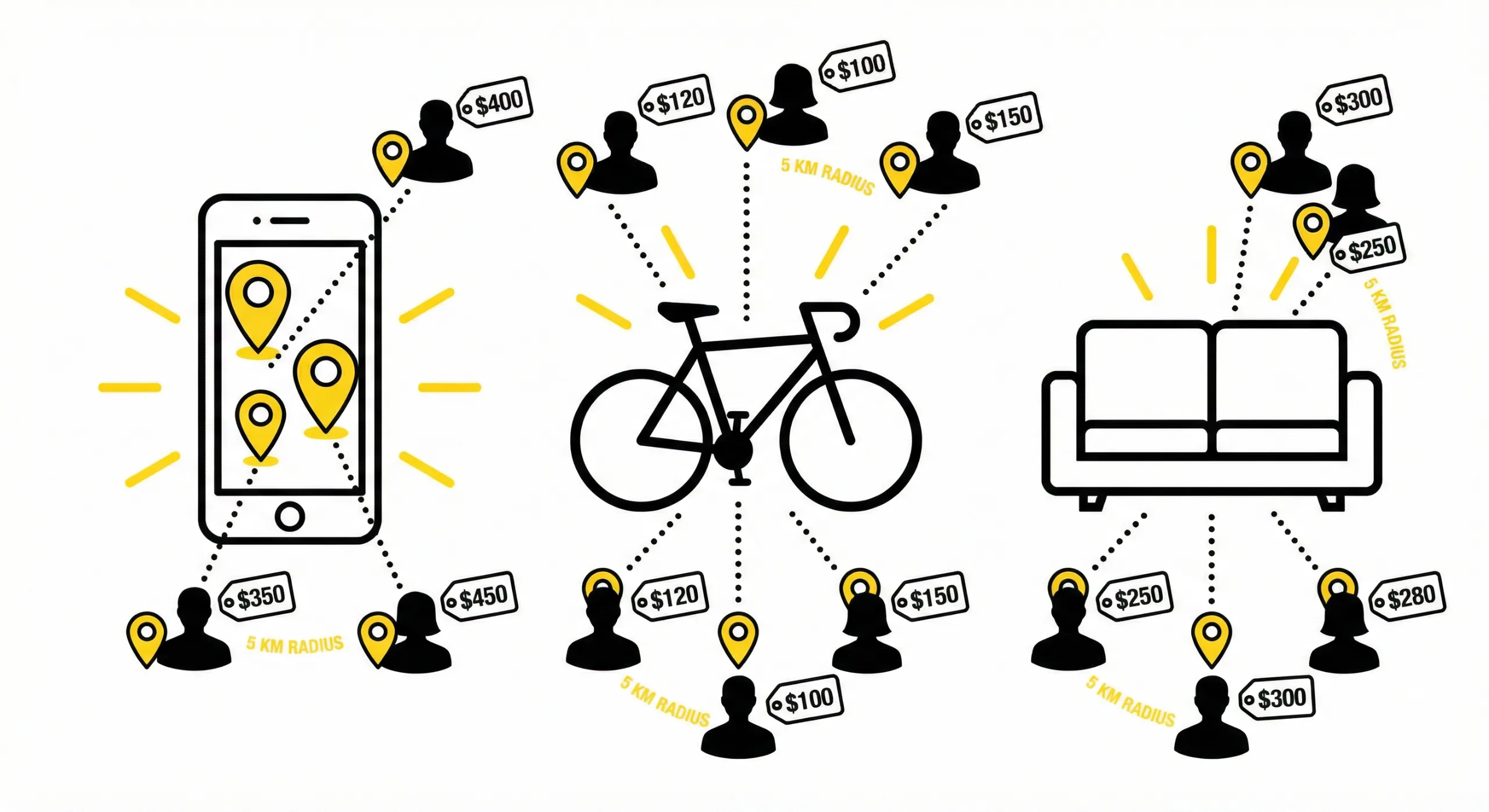
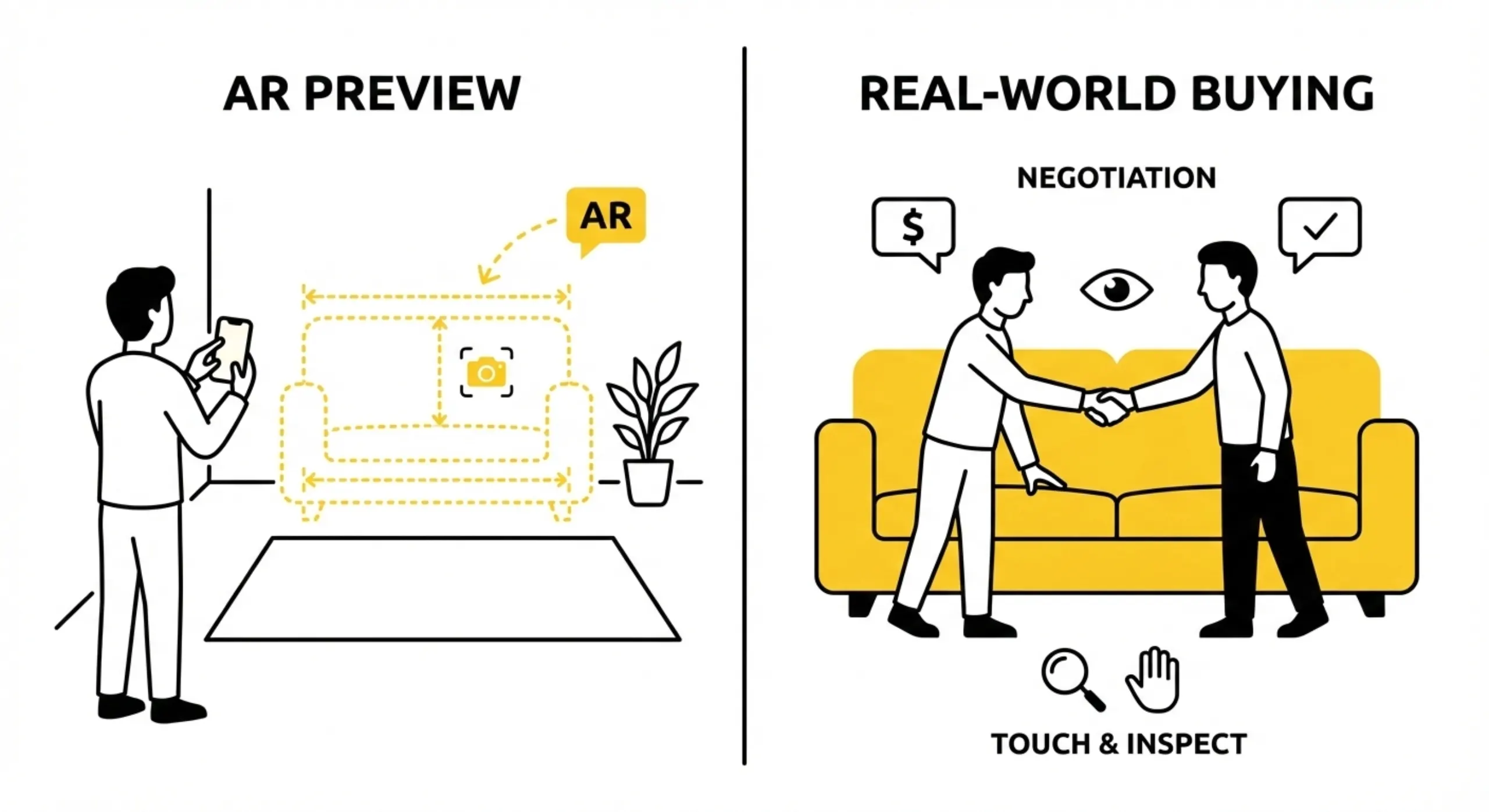
There is no middleman interpreting messages or adding confusion. You speak directly with the buyer. You can read the tone of the conversation and make a clear judgement about whether someone is genuinely interested or just trying their luck with low offers. Local buyers and sellers also tend to be more accountable than anonymous users on large crowded marketplaces. When someone knows you are in the same city, possibly the same neighbourhood, the conversation tends to stay more respectful. Platforms like Sympl are built for this kind of direct, local interaction. Fewer steps between you and the buyer mean fewer opportunities for the process to go off track. You post, they respond, you negotiate, and you meet. The simplicity itself reduces the room for manipulation.
Cost and Time Benefits: Why Knowing Your Price Saves Both
Handling bargaining well is directly connected to financial and practical outcomes.
You sell at a fair price, not a desperate one: Sellers who do not know how to manage pressure often end up accepting much less than the item is worth, just to end the discomfort. Preparation prevents this.
You avoid time-wasting buyers early: A seller who responds clearly and confidently to low offers quickly filters out buyers who are not serious. This means fewer long conversations that lead nowhere.
You close deals faster. When both sides understand the limits of negotiation from the beginning, the conversation moves to a resolution more quickly. No inflated prices, no extended back-and-forth, just a clear and fair outcome.
Low-cost buying and selling works best when both parties are honest about value. Knowing how to bargain without aggression, and how to respond when the other side is aggressive, keeps the process clean and practical for everyone.
Who This Is Most Useful For
Students: selling used textbooks, laptops, or hostel furniture often face buyers who assume students will accept any price out of desperation. Having a clear floor price and a confident reply changes that dynamic immediately.
Families: selling appliances, furniture, or children’s items want a fair outcome without lengthy negotiations. Knowing when to hold firm and when to offer a small reduction makes every deal more predictable.
Working professionals: with limited time cannot afford to spend days going back and forth with buyers who are not serious. A firm but polite negotiating approach filters deals quickly and saves real time.
First-time sellers: benefit most from preparation. The first few transactions can feel uncomfortable if you have no framework. These habits, once practised, become second nature very quickly.
A Quick Reference Before Your Next Negotiation
Keep this in mind before you respond to any offer:
- Know your minimum price before the conversation starts
- Stay factual, not emotional, when explaining your price
- Acknowledge fair points from the buyer but connect them to adjustments already made in your pricing
- Do not respond impulsively to late-night or repeated messages
- A polite exit from a bad negotiation is always better than a deal you regret
Conclusion: Confidence Is the Best Negotiating Tool
Bargaining is not going anywhere. It is part of how people buy and sell locally in India, and most of the time it is completely reasonable. The problem is not negotiation itself. It is when negotiation turns into pressure, and one side ends up feeling pushed into a corner. Building a few simple habits before you list anything protects you from that. Know your price. Stay calm. Respond with facts. And be comfortable walking away when the deal does not make sense.If you are already exploring The Best Classified Sites in Hyderabad to sell items fast or find good local deals, pairing that with smart bargaining habits makes every transaction more straightforward and more satisfying.Sympl is designed to keep local buying and selling direct and manageable. The tools are simple. The approach should be too.