
There’s probably a phone charger for a device you no longer own somewhere in your house. A jacket that doesn’t fit anymore. Kitchen gadgets you thought you’d use but never did. Textbooks from courses you completed years ago.
Each of these items represents money you spent that’s now doing nothing for you. Meanwhile, someone within a few kilometers of your home is actively searching for exactly what you have, willing to pay cash for it today.
The problem isn’t that people don’t want to buy and sell locally. The problem is that every platform claiming to help you do it makes the process unnecessarily complicated.
Why Current Marketplaces Fail You
Picture this scenario.
You decide to sell your laptop. You open the most popular marketplace app and immediately face a wall of requirements. Model number, exact specifications, condition rating, manufacturing date, warranty status. You search through old emails trying to remember when you bought it.
Twenty minutes later, you’ve uploaded photos, written descriptions, answered dropdown menus, and hit submit.
Then comes the waiting game.
Messages trickle in slowly. Most are from people asking questions already answered in your listing. Some want you to ship the item to another state. Others offer absurdly low prices and get offended when you decline. A few ghosts you mid-conversation.
Two weeks have passed. You’ve invested hours in something that should have been simple. The laptop still sits on your desk, and you’re questioning whether selling it is even worth the effort.
For buyers, the experience is equally frustrating. You search for a desk, find dozens of listings, but most sellers are too far away or stopped checking messages weeks ago. The few responsive ones have items that don’t match their descriptions. Eventually, you just buy new because it’s less aggravating.
These aren’t isolated incidents. They’re symptoms of platforms designed for scale rather than actual usability.
What Actually Makes Sense
Think about the last time you bought something from a neighbor or sold something to a friend. Quick conversation, fair price, immediate exchange. Done in fifteen minutes.
That transaction worked because it was local, direct, and simple. No middleman complications, no shipping uncertainties, no elaborate verification processes.
Sympl brings that same straightforward approach to everyone in your city, not just people you already know.
The concept is deliberately uncomplicated. You have something to sell, you list it. Someone nearby needs it, they see it. You both message, meet, and complete the transaction. The platform exists to connect you, then gets out of your way.
This focus on local transactions solves most problems that plague other marketplaces. When buyers are nearby, they can inspect items before purchasing. When sellers know buyers can actually pick things up, conversations become more serious and transactions happen faster.
Why Distance Changes Everything
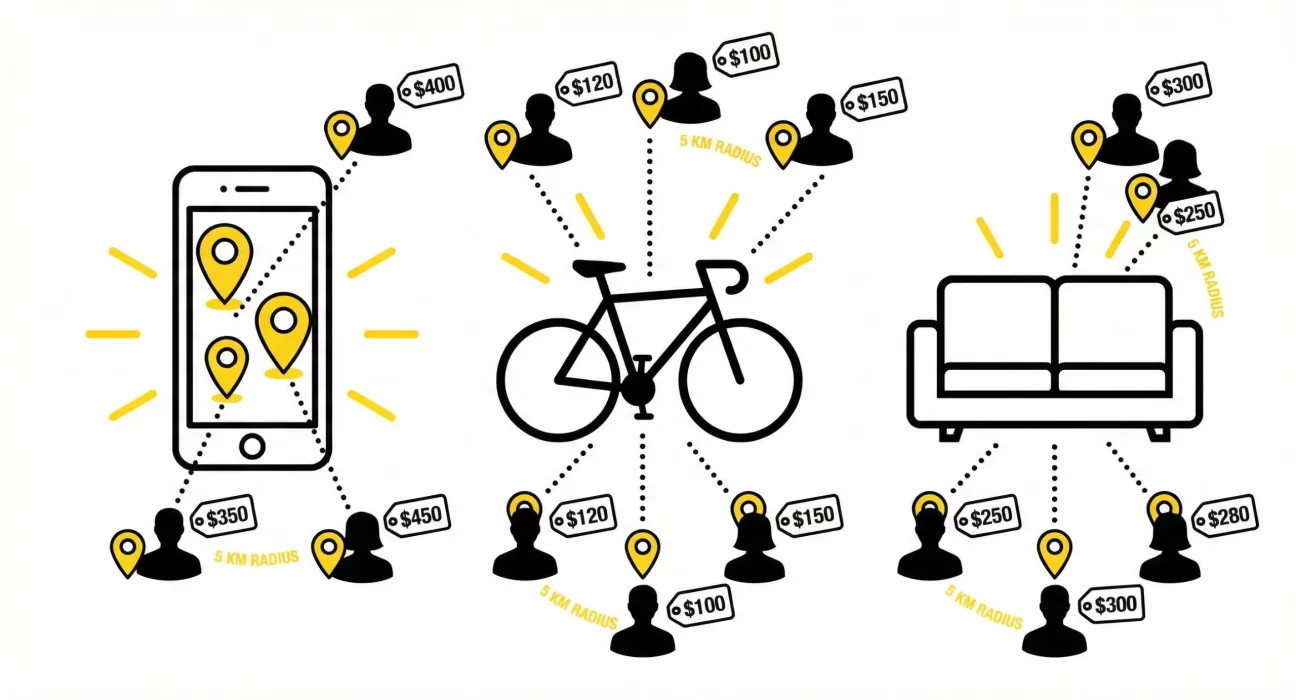
Here’s something most platforms miss: proximity dramatically increases transaction success rates.
When a buyer sees an item listed ten kilometers away, they think “I could check that out after work tomorrow.” When they see the same item listed 200 kilometers away, they think “Maybe if nothing else works out.”
For sellers, local buyers mean no shipping logistics, no packaging requirements, no delivery coordination. Just a meeting location and a time that works for both parties.
This geographical advantage compounds. Local buyers respond faster, negotiate more fairly, and follow through more reliably. They’re not casually browsing items they might never actually purchase. They’re looking for things they can acquire today.
How Sympl Actually Functions
The listing process removes every unnecessary step.
Open the app, choose a category, add photos directly from your phone, write a brief description, set your price, and publish. If you spend more than three minutes doing this, you’re probably overthinking it.
Your listing immediately becomes visible to people in your city actively searching for what you’re selling. Not to everyone across India, which sounds good in theory but creates noise in practice. Just to nearby buyers who can actually meet you.
When someone messages you, you respond. You agree on a time and place. You meet, they inspect the item, you exchange money for goods, and both of you continue with your day.
No commission fees reducing your earnings. No platform holding funds in escrow. No rating systems creating anxiety over every interaction. Just straightforward commerce between two people who both benefit from the exchange.
What Sells Fast and What Doesn’t
Some listings attract buyers immediately. Others languish for weeks. The difference isn’t random.
Successful listings have clear, well-lit photos showing the actual item from multiple angles, including any defects or wear. Buyers appreciate transparency more than perfection. An honest photo of a scratch builds more trust than carefully angled shots hiding flaws.
Pricing makes or breaks momentum. Research what similar items sell for in your area, then price yours competitively. Buyers scroll past overpriced listings even if they’re interested. Fair pricing from the start generates serious inquiries within hours.
Descriptions should be informative but concise. State what the item is, its condition, why you’re selling it, and any relevant details. Skip the sales pitch language. “Selling because I upgraded to a newer model” sounds genuine. “MUST SELL TODAY! AMAZING DEAL!” sounds suspicious.
Response time matters more than most sellers realize. When someone messages you about an item, they’re probably messaging three other sellers about similar items. Whoever responds first often closes the deal. Check your messages regularly if you actually want to sell.
Finally, availability determines everything. Don’t list items unless you’re prepared to meet buyers within a day or two. Delayed responses and scheduling difficulties frustrate buyers and waste everyone’s time.
The Buyer’s Advantage
Finding what you need locally saves money in ways that aren’t immediately obvious.
First, the obvious savings: used items cost significantly less than new ones. A laptop that’s one year old might sell for 60% of its original price despite being functionally identical to a new model.
But local buying offers secondary savings most people overlook. No shipping costs. No risk of items damaged in transit. No waiting days for delivery. You see the item, verify it works, and take it home the same day.
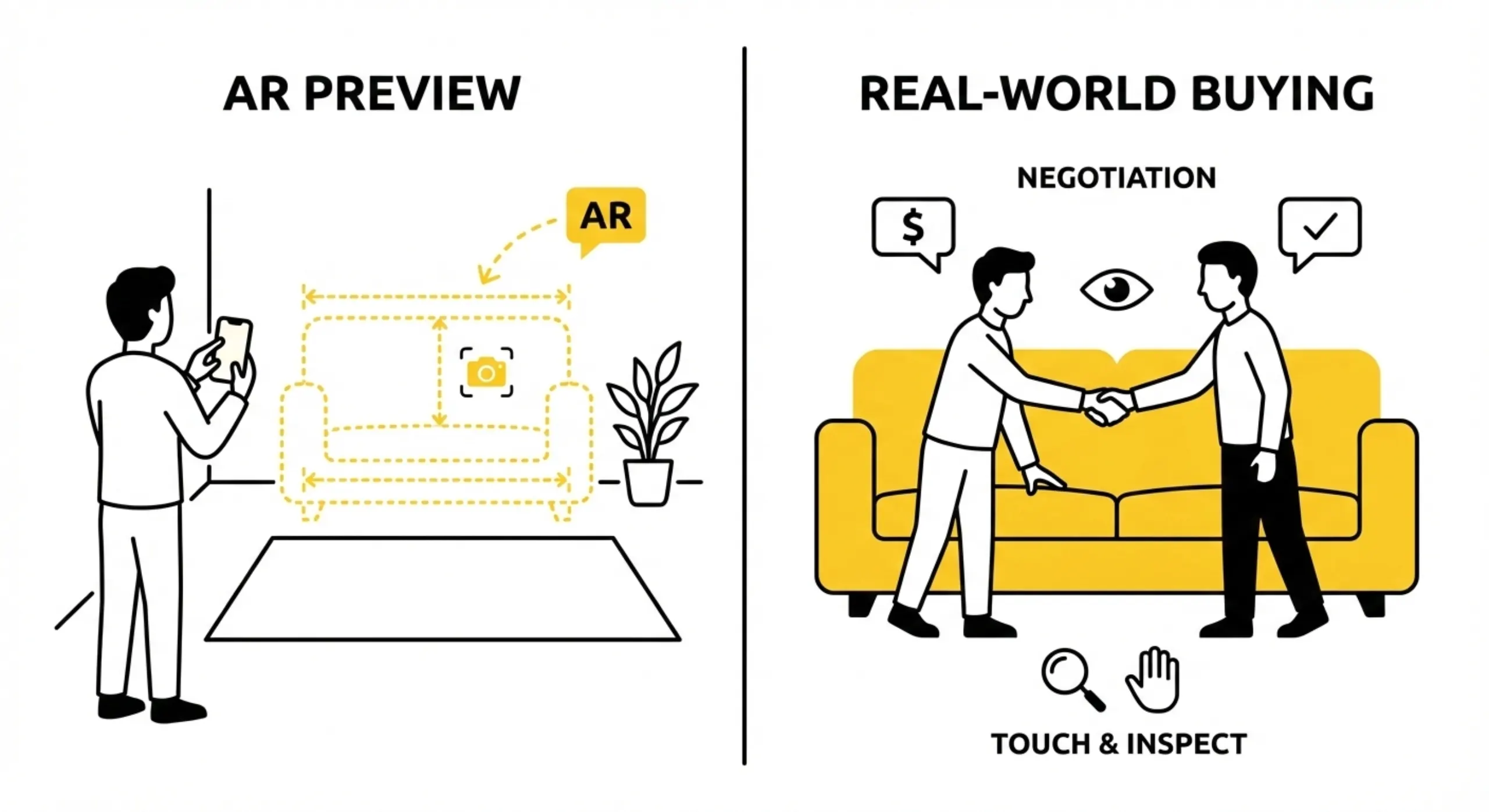
This immediate verification eliminates the biggest risk in online purchases. When you can test a phone, check a bike’s gears, or sit in a chair before buying, you remove uncertainty. You know exactly what you’re getting.
For certain categories, this matters enormously. Used electronics, vehicles, furniture, and appliances all benefit from in-person inspection. You notice things photos don’t show. You ask questions that didn’t occur to you when reading the listing.
Students furnishing apartments appreciate this most. Limited budgets make every purchase decision significant. Being able to buy functional items at fraction of new prices without gambling on condition transforms how far money stretches.
Who Benefits Most From This
Sympl serves anyone who’s ever had items to sell or needed to buy something without paying new prices.
College students constantly move between cities, set up new rooms, and operate on tight budgets. Buying used furniture, electronics, and appliances locally means more money for everything else. Selling items before relocating recovers funds and eliminates moving costs.
Families accumulating items through normal life benefit substantially. Kids outgrow furniture. Appliances get replaced. Technology upgrades. Each transition creates sellable items that take up space and represent recoverable value.
Professionals who regularly upgrade phones, laptops, and gadgets usually accept poor trade-in values because selling directly seems complicated. When the process actually becomes simple, direct sales suddenly make financial sense.
Anyone who’s tried selling on other platforms and given up knows exactly why simplicity matters. If previous attempts involved weeks of hassle for minimal results, a platform that actually works feels transformative.
What Makes Sympl Different
Most marketplace platforms add features constantly. More verification, more algorithms, more integration with external services, more steps between you and completing a transaction.
Each addition aims to improve something, but collectively they create friction. Simple tasks require navigation through multiple screens. Straightforward transactions demand unnecessary information. Quick deals become drawn-out processes.
Sympl deliberately avoids this trap. It does one thing: connects local buyers with local sellers quickly. Everything else is secondary.
This isn’t about having fewer features for the sake of minimalism. It’s about recognizing what actually matters for the transactions people make most often. Someone selling a bike doesn’t need complex logistics. They need visibility to nearby buyers and a way to communicate.
When platforms optimize for their own metrics rather than user goals, they add complexity that seems useful internally but creates frustration externally. Sympl optimizes for transaction completion, which means removing barriers rather than adding safeguards that slow everything down.
Why Local Commerce Matters Beyond Convenience
Buying and selling within your community creates value that extends beyond individual transactions.
Money spent locally circulates within the area. Students earn funds for education. Families afford upgrades. People relocating gather resources for their next chapter. Each successful transaction supports someone nearby rather than enriching distant corporations.
Environmental implications, while not the primary motivation, are significant. Every used item purchased locally is one less new item manufactured, packaged, and transported. Reusing existing goods reduces waste and resource consumption in aggregate.
Community building happens naturally through local exchanges. Meeting neighbors, discovering nearby resources, and building familiarity with your area all result from transactions that require face-to-face interaction.
These broader benefits are secondary to the main purpose of making buying and selling easier, but they’re real. Sometimes the most practical solution also happens to be the most sensible one overall.
What Launching Soon Means
When Sympl goes live, it will be available across India immediately. No gradual rollout, no limited access periods, no waiting for your city to be included.
If you’ve been postponing selling items because existing platforms seemed too complicated, launch day is when that excuse disappears. List what you have, connect with buyers quickly, and complete transactions without unnecessary obstacles.
If you’re actively searching for specific items, Sympl provides access to local inventory that might not appear on other platforms because sellers couldn’t be bothered with complex listing processes.
The difference between a frustrating marketplace and an effective one becomes apparent within your first transaction. Less time from listing to sale. Fewer messages from time-wasters. More serious buyers who actually show up.
What This Really Means For You
You already know you should sell things you’re not using. You already know buying used saves money. The gap between knowing and doing has always been the hassle involved.
Sympl eliminates that gap.
When listing takes minutes, when buyers are nearby, when transactions happen quickly, suddenly selling makes sense. That phone in your drawer becomes cash in your pocket within days, not weeks.
When searching shows actual available inventory nearby, when you can inspect before buying, when prices reflect real value rather than retail markup, buying used becomes the obvious choice.
This isn’t revolutionary technology. Its practical design focused on what people actually need rather than what sounds impressive in a feature list.
Conclusion
The items gathering dust in your home have value someone else would pay for today. The things you need are available nearby at prices significantly below retail. The only thing preventing these exchanges has been platforms that make simple transactions complicated.
Sympl fixes that specific problem. It connects people who have things with people who need things, within the same geographic area, without unnecessary complexity.
When it launches, you’ll discover how much easier buying and selling can be when the platform works for you rather than against you.
That’s the entire premise. Nothing fancy. Nothing overcomplicated. Just functional local commerce the way it should have worked all along.
Everything you need to know: List quickly, sell locally, complete transactions easily. Buy nearby, inspect first, pay fairly.
That’s Sympl.