

Your phone works perfectly, but the back has a few scratches. Your laptop runs smoothly, but the corner has a dent from when you dropped it last year.
These devices function just fine. The screen is clear, the battery holds charge, everything works as it should. But they’re not in pristine, showroom condition anymore. And that makes you hesitate about selling.
You’ve seen online listings where gadgets with even tiny scratches get bombarded with lowball offers or ignored entirely. Buyers expect perfection at second-hand prices, or they suspect hidden problems when you mention cosmetic damage. Some platforms reject listings that aren’t in “excellent” condition.
Local classifieds change this dynamic. When buyers can see and test the gadget in person, cosmetic wear stops being a deal-breaker. They see that the scratches are surface-level, that functionality is intact, and that the device genuinely works well. The focus shifts from appearance to actual usability, which is what matters for most practical buyers.
Why Cosmetic Damage Feels Like a Problem
The main challenge with selling used gadgets is that photos make small flaws look worse than they are.
A tiny scratch on a phone’s back that you barely notice in daily use looks significant in close-up photos. A scuff on a laptop corner that doesn’t affect anything becomes the focus of the image. Buyers scrolling through listings see the damage but can’t assess whether it’s just cosmetic or a sign of deeper issues.
This creates two problems. First, you either hide the damage and risk disputes later, or you mention it upfront and watch people lose interest. Second, buyers who are interested often use the cosmetic wear to justify unreasonably low offers, even though the gadget works perfectly.
Most online platforms make this worse because everything happens remotely. Buyers can’t pick up the phone and see that it feels solid. They can’t open the laptop and confirm that performance is fine. They’re judging entirely based on descriptions and photos, which naturally makes them cautious.
When you buy and sell locally, this problem largely disappears. Buyers see the actual device, hold it, test it, and judge for themselves whether the cosmetic wear matters to them.
What Counts as Minor Cosmetic Wear
Being clear about what you’re selling helps set realistic expectations.
Minor cosmetic wear includes:
Surface scratches
Light scratches on the back panel, sides, or non-screen surfaces that don’t affect functionality. These are normal for devices that have been used without cases.
Small dents or scuffs
Tiny dents on metal bodies or scuffed corners from drops that didn’t damage internal components. The device still feels solid and works normally.
Faded color or worn finish
Slight color fading on plastic bodies, or worn coating on frequently touched areas like trackpads or buttons. This happens with regular use over time.
Screen scratches (minor)
Very light scratches on the screen that aren’t visible when the display is on, or scratches along the edges that don’t interfere with viewing.
What doesn’t count as minor cosmetic wear:
- Cracked screens or broken glass
- Deep dents that affect internal components
- Scratches that interfere with camera quality or screen visibility
- Missing buttons, damaged ports, or non-functional features
- Battery issues or performance problems
If your gadget has functional problems, don’t frame it as just cosmetic wear. Be honest about what’s wrong.
Describing Wear Honestly and Effectively
The key to selling gadgets with cosmetic damage is transparency combined with emphasis on functionality.
Here’s how to describe different gadgets truthfully:
Phones
Mention the location and extent of scratches or dents. Say whether the screen has any marks or if it’s scratch-free. Be clear about functionality: does the camera work well? Is battery health good? Do all buttons respond properly?
Example: “iPhone 12, works perfectly, good battery life. The back has minor scratches from regular use, and the front screen is clean. All features are functional.”
Laptops
Describe body condition but emphasize performance. Mention processor, RAM, storage, and whether it runs smoothly. If the screen is good but the body has scuffs, say so clearly.
Example: “Dell Inspiron, i5 processor, 8GB RAM, runs fast. The corner has a small dent, keyboard and trackpad work perfectly. The screen is clear without scratches.”
Tablets
Similar to phones mention any body damage but highlight screen condition and functionality. Battery life is important for tablets, so mention if it’s still strong.
Example: “iPad 6th Gen, 32GB. The back has light scratches, and the screen is perfect. The battery lasts a full day with regular use. All features are working.”
Smartwatches and earbuds
Small gadgets like these accumulate wear quickly. Mention if bands are worn, if charging works properly, and if all sensors function correctly.
Example: “Apple Watch Series 5, some scratches on display edges, doesn’t affect visibility. Heart rate monitor and all apps work. Charges normally.”
Cameras
Photographers care about lens and sensor condition more than body wear. Mention if the lens is scratch-free, if the sensor is clean, and if all shooting modes work.
Example: “Canon 1500D, body has minor scuffs. The lens is clean, no scratches. Shutter working perfectly, all functions operational.”
The pattern is simple: acknowledge the cosmetic issues upfront, then emphasize what works well.
Taking Photos That Show Truth
Photos should show both the wear and the overall good condition.
Here’s how to photograph gadgets honestly:
Show the damage clearly
Take close-up shots of scratches or dents. Don’t try to hide them with angles or lighting. Buyers appreciate knowing exactly what they’ll see when they meet you.
Show the working device
Photograph the phone with screen on, the laptop running, the camera taking a photo. This proves functionality better than any description.
Include overall condition shots
Take photos from normal viewing distance showing the whole device. This gives buyers perspective on how noticeable the wear actually is during regular use.
Use natural lighting
Harsh flash makes every tiny mark look worse. Natural daylight shows honest conditions without exaggeration.
Compare size of damage
If there’s a dent or scratch, include something for scale in one photo like a coin or your finger. This helps buyers understand it’s minor, not major damage.
Honest photos build trust. Buyers who respond to your listing already know what to expect, so meetings go smoothly without surprises.
How Local Selling Changes Buyer Perception
When you connect with local buyers and sellers, cosmetic wear becomes less of an obstacle.
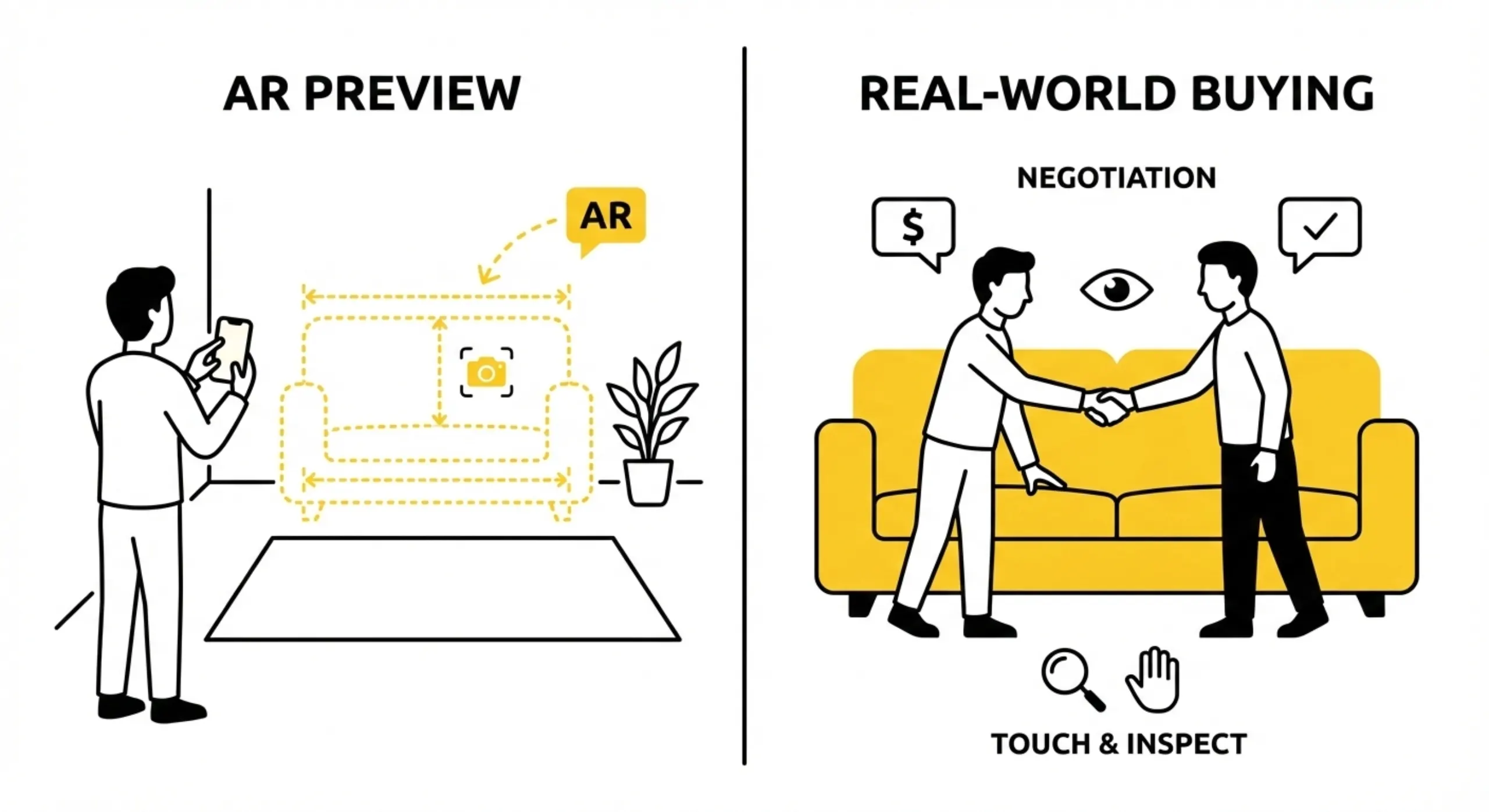
In-person inspection lets buyers verify functionality themselves. They turn on the device, test features, check responsiveness, and see that everything works despite the scratches. The wear becomes just what it is: surface-level marks that don’t affect use.
This direct interaction also lets you explain the wear naturally. You can show them exactly where the scratches are, demonstrate that the screen displays perfectly, let them feel that the device is solid. These things are impossible to convey through photos and text alone.
Many practical buyers don’t care about minor cosmetic issues when the device works well and the price reflects the condition fairly. They’re looking for functional gadgets at reasonable prices, not pristine showpieces.
Being local also means buyers can see the device in context. If you’re a working professional selling a laptop you used carefully, that’s different from buying from an unknown seller online. The face-to-face context builds trust that the device was maintained properly despite visible wear.
Pricing Devices With Cosmetic Damage
Gadgets with minor cosmetic wear should cost less than pristine ones, but not drastically less if functionality is perfect.
A phone in mint condition might sell for 65–70% of its original price after a year of use. The same phone with minor scratches typically sells for 55–65%, depending on the extent of wear.
Laptops follow similar patterns. A scratch-free laptop commands better prices, but one with scuffs on the body that works perfectly should only be 10–15% cheaper than pristine condition.
When you buy and sell locally, pricing becomes more flexible because buyers can evaluate the device in person. If the cosmetic damage is truly minor and everything works well, many buyers are willing to pay closer to “good condition” prices.
You can also negotiate more effectively face-to-face. If a buyer points out the scratches you already mentioned, you can demonstrate functionality to justify your price. If they’re genuinely concerned about the wear, you can adjust the price slightly to close the deal.
Research what similar devices with similar wear are selling for in your area. This gives you a realistic starting point. Don’t underprice just because of minor cosmetic issues—you’re still selling a functional device.
Who This Approach Benefits Most
Selling gadgets with cosmetic wear locally works especially well for certain people.
Regular users upgrading devices
Most people use phones and laptops daily without cases or extreme care. If you’re upgrading after a year or two, your device likely has some wear. Local selling lets you find buyers who value functionality over appearance.
Students selling to other students
Students understand that gadgets get used, carried around, and occasionally dropped. They’re looking for working devices at affordable prices, not perfect-looking ones.
Working professionals
If you use a laptop for work daily, it accumulates wear. Selling locally to someone who needs a reliable work device makes sense they care more about performance than looks.
Budget-conscious buyers
People looking for low-cost buying opportunities don’t expect pristine conditions. They want devices that work well at fair prices, which is exactly what you’re offering.
Anyone who values straightforward, honest transactions will find this approach more satisfying than dealing with picky online buyers who expect perfection at discount prices.
Handling Buyer Questions About Condition
When you meet buyers, they’ll ask about the wear you mentioned. Be ready to address their concerns directly.
Common questions and how to respond:
“How did these scratches happen?”
Be honest. “Used it without a case for about a year” or “Dropped it once, just cosmetic damage, everything works fine.”
“Does this affect performance?”
Demonstrate that it doesn’t. Let them test the device, open apps, check speed, try features. Show, don’t just tell.
“Will this get worse?”
Explain that surface scratches don’t spread or worsen; they’re just marks from use. If there’s a dent, show that the frame is still solid.
“Can I test everything?”
Absolutely. Let them spend time checking whatever they want. The more they test, the more confident they become.
“Why is the price this high with scratches?”
Point out that the device works perfectly, has good battery life, includes accessories, or has other value-adding factors. Show that the price reflects actual worth, not just appearance.
Most serious buyers understand that used devices have wear. They just want honesty and confirmation that functionality is intact.
Making the Sale Without Complications
Once the buyer has inspected the gadget and is satisfied with the condition, the transaction is straightforward.
Most local sales happen through cash or UPI payment after the buyer tests everything. Some buyers prefer to pay after getting home and confirming the device works in their daily use—this is reasonable if you’re both comfortable with it.
Include any accessories you have, chargers, cases, earphones, original boxes. These add value even if the device has cosmetic wear.
If you still have the purchase bill, warranty card, or original packaging, hand those over. Some buyers care about these, others don’t, but having them available helps.
Provide your contact number in case they have questions later about settings or features. Most buyers won’t reach out, but offering shows you’re confident in what you sold.
For expensive gadgets like laptops or high-end phones, some buyers prefer a simple receipt noting the device, condition, price, and date. This protects both sides and takes just a minute to write.
Why Sympl Classifieds Work Better for Used Gadgets
Crowded marketplaces are dominated by refurbished device sellers, phone repair shops selling used devices, and commercial dealers.
Your honest listing of one device with minor wear that you actually used competes with dozens of professional sellers offering “like new” refurbished phones and “certified” devices. Finding genuine person-to-person deals becomes difficult.
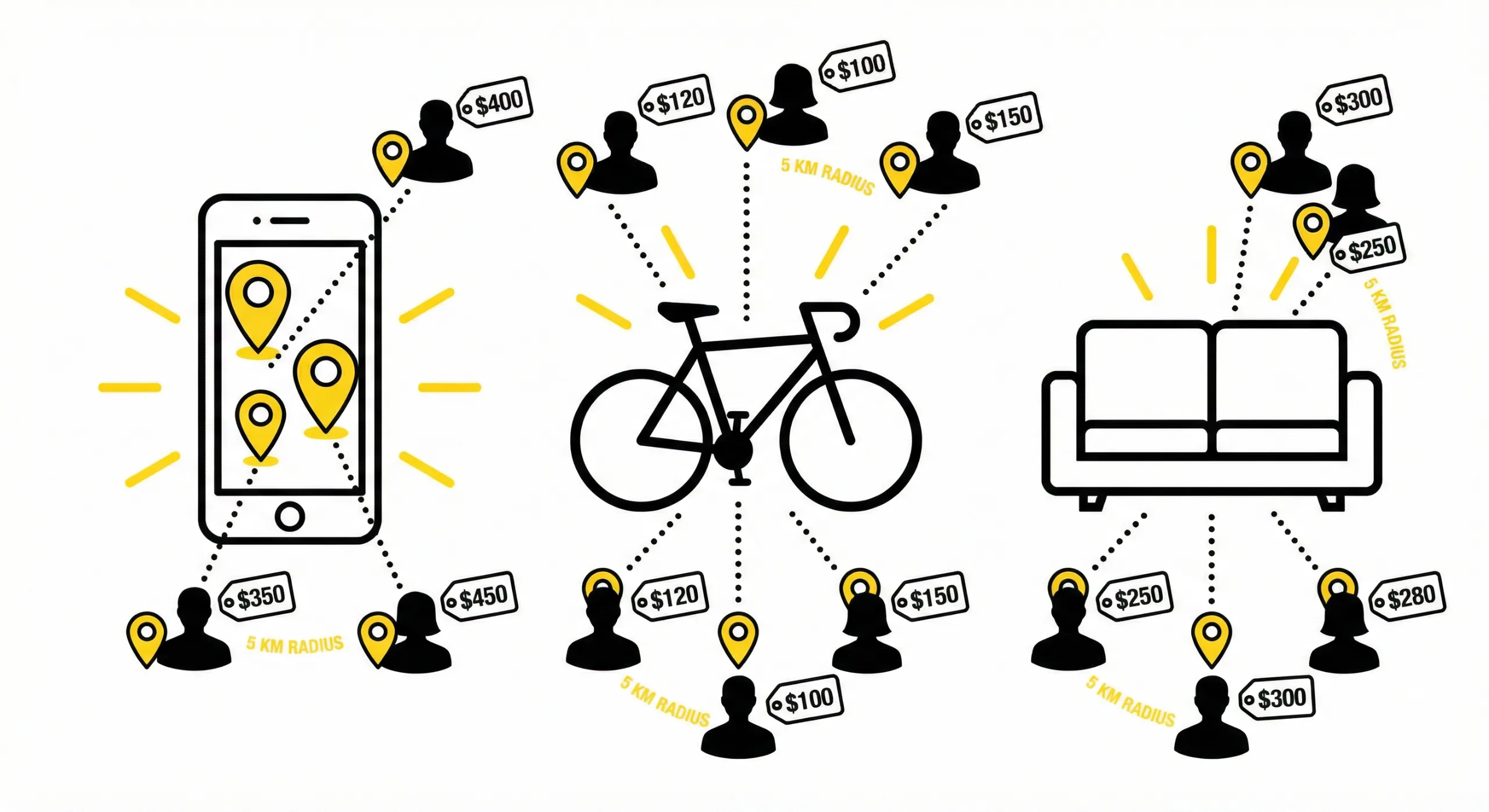
Sympl classifieds focus on direct connections between local buyers and sellers. You’re not competing with businesses. You’re finding people nearby who want a functional device at a fair price and understand that used means used.
This keeps interactions honest. No pressure to describe your device as “excellent” when it’s really “good with minor wear.” No competition with sellers who can offer unrealistic warranties or returns. Just two people meeting, examining a device, and making a straightforward deal.
For sellers, this means selling items fast without professional-level photos or competing with commercial operations. For buyers, it means finding genuine used gadgets from real people at prices that reflect actual condition rather than marketing spin.
Moving Forward With Your Sale
Selling gadgets with cosmetic wear doesn’t have to be difficult when you do it locally.
You describe the device honestly, photograph both the wear and the functionality, and price fairly based on actual condition. Buyers come see it in person, test everything, and decide based on what matters whether it works well, not whether it looks brand new.
You sell items fast because you’re connecting with practical buyers who value function over appearance. The scratches that seemed like deal-breakers online become minor details in face-to-face transactions.
And because everything happens nearby, there’s no shipping to arrange, no wondering if your description was accurate enough, no dealing with return requests from buyers who expected perfection.
This is how local buying and selling works for used gadgets: practical, transparent, and built on the understanding that devices accumulate wear during normal use, and that’s perfectly fine as long as they still work properly. Which is exactly what most buyers looking for affordable technology actually care about.