
Introduction:
You are selling a second-hand camera on a classifieds platform. A buyer contacts you, seems genuine, and then says: “Don’t worry, I’ll use the platform’s escrow system. Your payment is protected until I receive the item.”
It sounds professional. It sounds safe. And that is exactly why it works as a scam.
Escrow myths are one of the most common tricks used on classified platforms across India and most people, including experienced sellers, do not immediately recognise them for what they are.If you use any of the best classified sites in Hyderabad or anywhere else to buy and sell locally, understanding what escrow actually is and what it is not can protect you from a very convincing fraud.
What Is Escrow, Actually?
Escrow, in simple terms, is when a neutral third party holds a payment until both sides of a transaction are satisfied. The buyer pays into a holding account. The seller ships or delivers. The buyer confirms receipt. Only then does the money get released to the seller.
It is a legitimate system. It is used in property deals, large business contracts, and some e-commerce platforms.
The key word is legitimate. Real escrow involves a registered financial service, a formal agreement, and a verifiable process. It is not something that appears randomly in a classified chat window and asks you to click a link.
That version showing up in your messages is almost always fake.
The Core Problem: Escrow Is Being Used as a Prop for Fraud
On classified platforms, scammers have learned that the word “escrow” sounds official and trustworthy. Most people associate it with safety, so they lower their guard.
Here is how the fake escrow scam typically plays out in India:
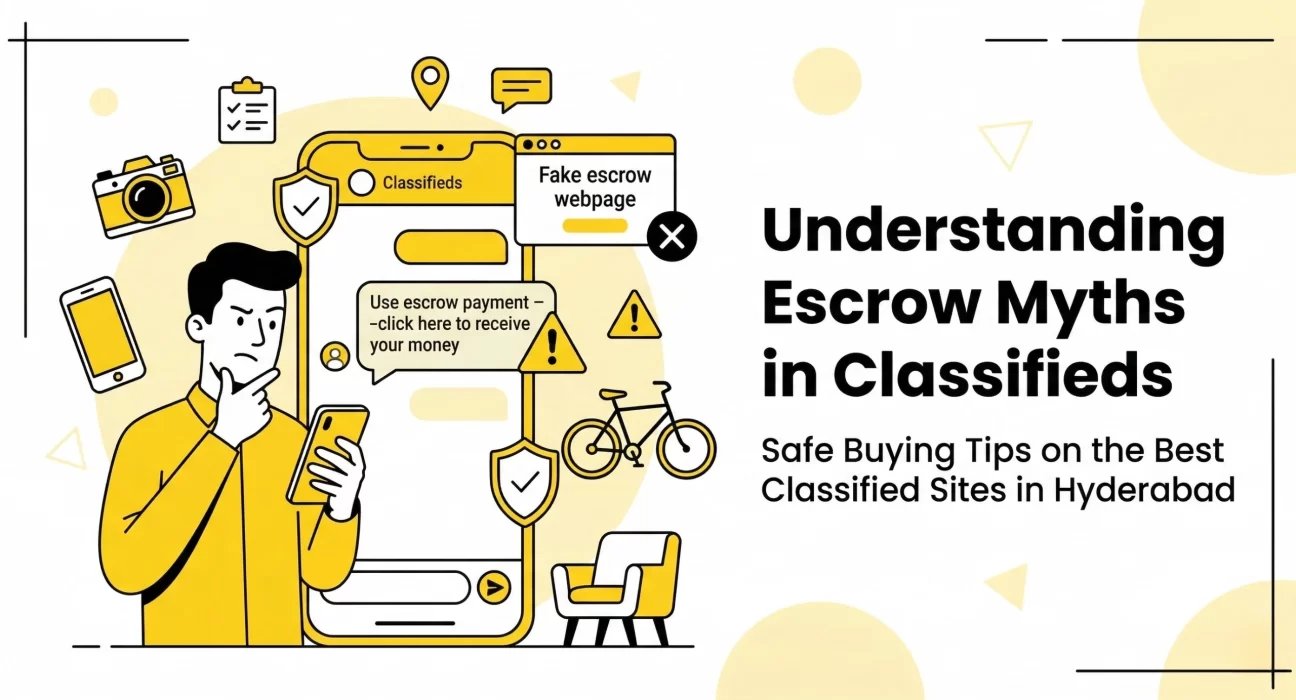
A buyer contacts you about your listed item: a phone, a bike, a laptop. They show enthusiasm, agree to your price quickly, sometimes without negotiating at all. Then they introduce the escrow idea.
They send you a link to what looks like an official payment portal, sometimes even mimicking the branding of the classifieds platform itself. You are asked to “register” or “activate” the escrow by paying a small fee, entering your bank details, or sharing an OTP.
The moment you do any of those things, the scam is complete. There is no escrow. There is no buyer. There is only a stolen account detail or a drained wallet.
Common Escrow Myths and the Reality Behind Each One
Myth 1: “This Platform Has an Official Escrow System”
Most Indian classified platforms including straightforward ones built for local buying and selling do not operate escrow systems. Classifieds connect buyers and sellers. The transaction itself happens between two people, directly.
If a buyer claims the platform has an escrow feature you have never seen or heard of, check the platform’s official help section. If it is not there, it does not exist.
Myth 2: “You Need to Pay a Small Fee to Activate the Escrow”
No real escrow service asks the seller to pay to receive money. This framing “just pay Rs. 200 to unlock your payment” is a direct red flag. Once you pay that fee, you will be asked for another. Then another. The item never gets bought.
Myth 3: “The Escrow Link Was Sent by the Platform Itself”
Scammers create websites that look identical to real platforms, same colours, same logo, same layout. The only difference is the URL, which is usually slightly off (like “sympl payments.com” instead of the actual domain).
Always verify the website address manually. Do not click links sent over chat without checking where they actually lead.
Myth 4: “Escrow Protects the Seller Too”
In a fake escrow scam, the seller is always the target. The buyer is the scammer. The “protection” being offered is a hook to get you to take an action, share details, click a link, pay a fee that compromises your account or money.
Real escrow, where it exists, does offer seller protection. But it is agreed upon before a transaction, through a verified service, not offered as an afterthought in a chat message.
Myth 5: “If They’re Using Escrow, They Must Be Serious Buyers”
Scammers introduce escrow precisely because it sounds like something a serious, careful buyer would suggest. It is designed to project trustworthiness. In reality, genuine local buyers in India rarely suggest escrow for everyday transactions they meet, inspect, and pay directly.
How to Tell a Real Payment Situation from a Fake One
This is simpler than it sounds. Ask yourself a few questions:
- Did this payment method appear only in the chat, with a link, rather than on the platform’s official interface?,
- Is the buyer asking you to pay anything to receive payment?
- Is the buyer pushing you to complete the payment step before meeting or inspecting the item?
- Does the link or portal look slightly different from the platform you are using?
- Is the buyer unwilling to meet in person or do a video call to verify themselves?
If the answer to any of these is yes, stop. Do not proceed. Block and report the user.
Legitimate transactions especially for local buying and selling do not require unfamiliar payment portals, activation fees, or clicking third-party links.
What Actually Keeps Your Money Safe in Local Classifieds
The honest answer is straightforward: meeting in person and paying directly.
For everyday items a mixer, a phone, a bicycle, a piece of furniture the safest transaction is the simplest one:
- Meet in a public place
- Inspect the item properly
- Pay via cash or UPI directly to the seller’s verified number
- Confirm payment before handing over the item
No platform intermediary. No escrow link. No holding accounts. Just two people completing a fair exchange.
This is why platforms like Sympl are built around direct connections between local buyers and sellers, without unnecessary layers that create confusion or opportunity for fraud.
How Sympl, Local Classifieds Reduce Escrow-Related Fraud
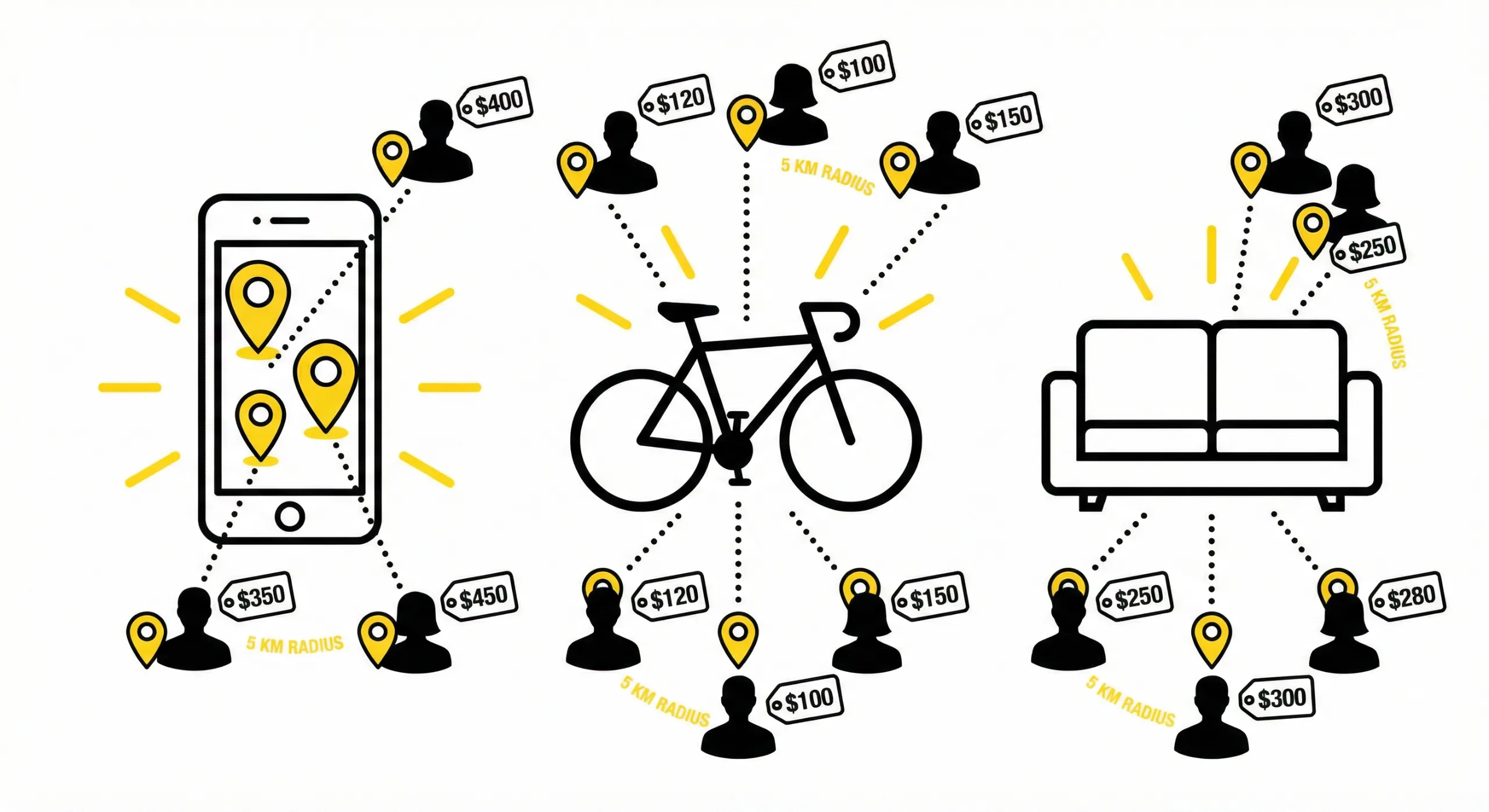
The reason escrow scams flourish is distance. When a buyer is in another city or cannot meet in person, sellers feel they need some kind of payment guarantee. Scammers exploit that gap.
When you buy and sell locally through Sympl Classifieds, that gap largely disappears:
- The buyer is nearby and can meet in person
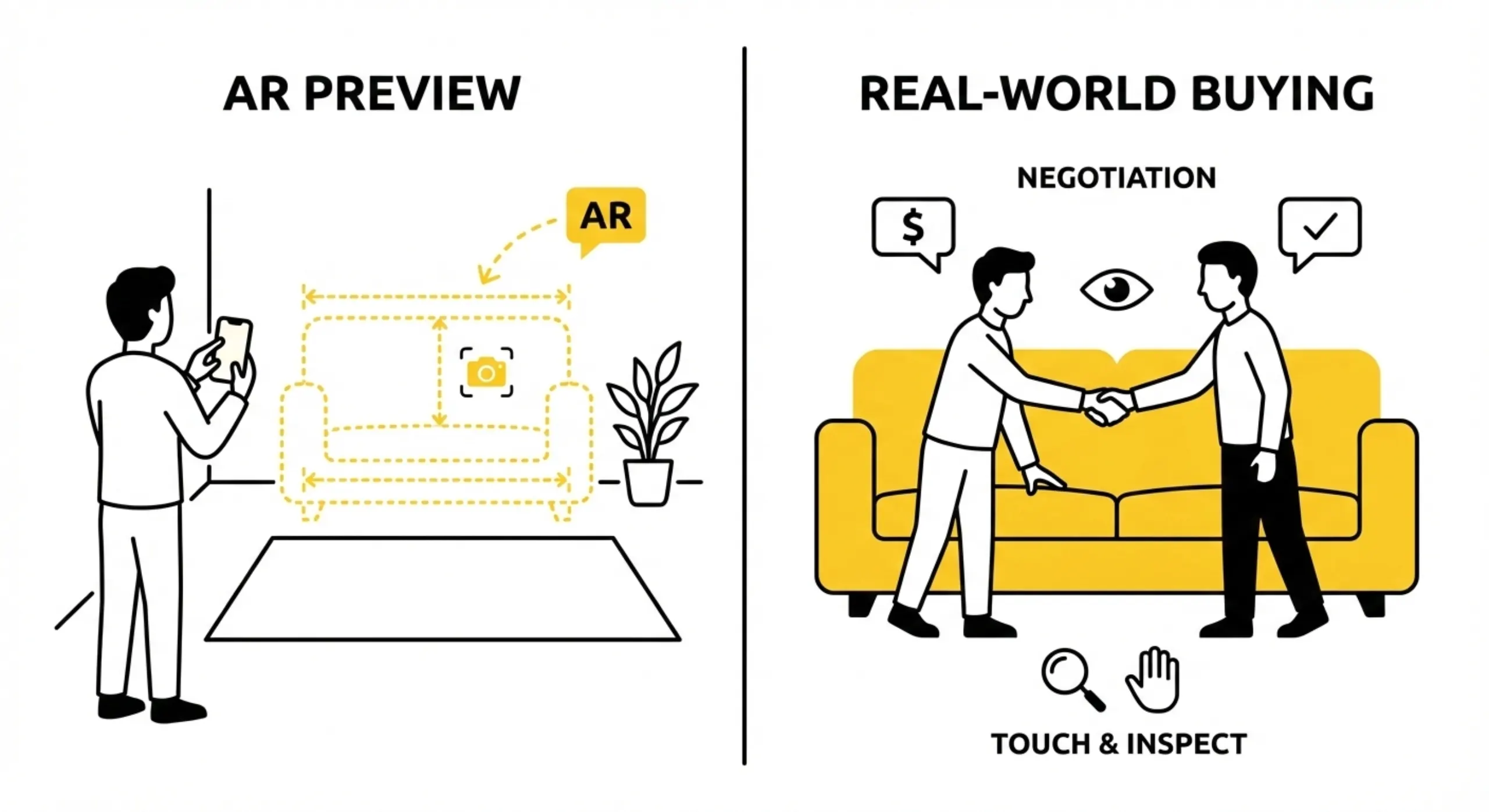
- You can see the person, verify the item, and confirm payment before anything changes hands
- There is no need for a remote payment hold because the transaction happens face to face
- If something feels wrong, you can simply walk away no money has moved yet
Local trust replaces the need for complex payment structures. That is not a workaround, it is genuinely the safest way to handle everyday second-hand transactions.
Cost and Time Benefits of Keeping Transactions Direct
Every layer added to a transaction, a payment portal, a holding period, a verification step adds time and potential for error or fraud.
When you sell items fast through direct, in-person transactions:
- Payment is immediate cash in hand or UPI confirmation on the spot
- There are no “processing delays” that scammers use to string you along
- You do not lose time waiting for funds to clear from a holding account
- There are no fees charged by middlemen or fake verification services
For low-cost buying and selling of everyday items, simplicity is not just convenient, it is financially smarter. Every rupee saved on unnecessary fees or lost to fraud is real money.
Who Needs to Understand This Most?
First-Time Sellers
Someone listing their first phone or appliance online has no frame of reference for what a normal buyer interaction looks like. They are most likely to be impressed by official-sounding payment language. Knowing that escrow is rarely real on classifieds protects them from the start.
Students
Selling textbooks, laptops, or hostel furniture between academic years. Often transacting quickly without much research. A basic awareness of escrow myths can save them from a convincing fraud.
Families Selling Home Items
A family selling a refrigerator or sofa during a house move is focused on logistics, not fraud detection. They may not question a buyer who sounds organised and professional. This awareness matters for them.
Working Professionals Selling High-Value Items
Cameras, smartphones, branded gadgets attract scammers because the amounts are higher. Professionals who are time-pressed may be tempted by the convenience of a “secure” payment process. That convenience is sometimes a trap.
Anyone Preferring Direct Transactions
People who already prefer simple, face-to-face dealings are naturally safer from escrow scams because they tend to avoid remote payment methods by instinct. Reinforcing this instinct helps them stay protected.
Conclusion:
Escrow sounds like safety. In a genuine financial or legal context, it sometimes is. But on everyday classified platforms used for local buying and selling, it almost never exists and when someone brings it up in a chat, it is almost always a scam.
The good news is that for the kind of transactions most people do on classifieds selling a phone, buying second-hand furniture, or offloading an old appliance you do not need an escrow. You need a decent platform, a willing buyer, a public meeting spot, and a UPI app.
Platforms like Sympl, among the more reliable and straightforward classified sites for local buyers and sellers in Hyderabad and across India are built for exactly this kind of direct, simple exchange. No unnecessary payment layers. No confusing intermediaries. Just a clean connection between two people who want to complete a fair deal.
If a payment method requires a link, a fee, or an explanation that runs longer than two sentences trust your instinct and step back.
Keep it local. Keep it direct. Keep it simple.