
Every household accumulates items that no one uses anymore. Outgrown children’s clothes, old toys, kitchen appliances replaced by newer models, furniture that doesn’t fit the current room layout these things sit in storage, taking up space, while families keep buying new items.
Throwing away perfectly functional items feels wasteful, but finding people who actually need them isn’t easy. Donating is one option, but it doesn’t help recover any money. Large online marketplaces promise easy selling, but the process often turns into complicated listing items, waiting for responses, dealing with buyers from far away who never follow through.
Meanwhile, families continue spending on new purchases when similar items are available second-hand nearby. The cycle of buying, using briefly, and discarding continues, creating waste that could have been avoided.
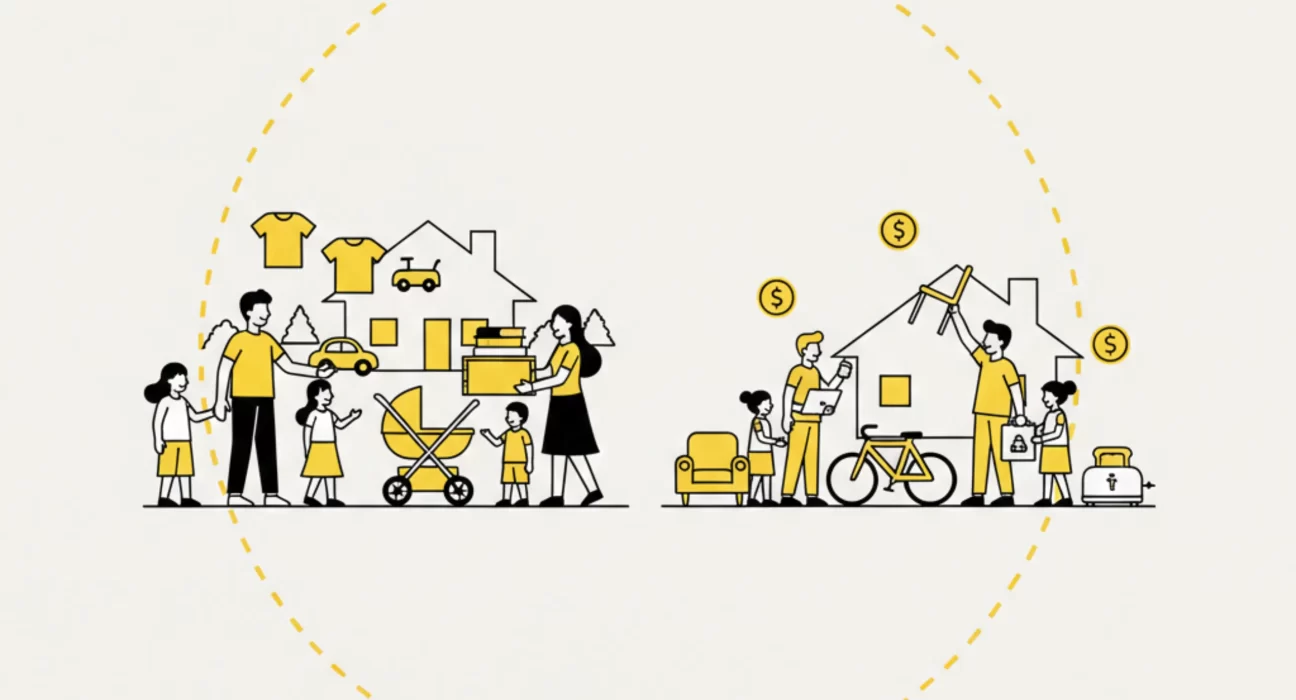
Local buying and selling offers a practical alternative. When you buy and sell locally with sympl, items move from families who don’t need them to families who do. Nothing gets wasted, money gets saved, and the process stays straightforward because everyone is nearby.
Why Families Generate More Waste Than They Realize
Families, especially those with growing children, face constant change. What worked last year doesn’t work this year. What fits one child won’t fit the next.
The main challenges include:
- Children outgrow things quickly: Clothes, shoes, toys, and even furniture become useless within months
- Upgrading creates excess: Buying a new TV, fridge, or washing machine leaves the old one unused
- Changing needs: A baby cot becomes unnecessary, a study table gets replaced, sports equipment sits idle
- Storage limitations: Homes fill up with items that might be needed “someday” but rarely are
- Cost of disposal: Getting rid of large items like furniture or appliances isn’t free and isn’t easy
Most families don’t want to waste things. They’d prefer these items go to someone who needs them. But the effort required to find that person often feels too high, so items either get discarded or sit unused for years.
At the same time, families spend money buying things that other families nearby are trying to get rid of. A family buying a toddler bed at full price while another family in the same neighbourhood is storing one they no longer need this happens more often than people think.
Common Household Items That Can Be Reused
Almost everything in a family home has reuse potential if it’s still functional.
Children’s items
- Clothes, shoes, school bags, strollers, car seats, high chairs, toys, books, sports equipment
Furniture
- Beds, study tables, chairs, cupboards, shoe racks, bookshelves, storage units
Electronics and appliances
- Old phones, tablets, TVs, refrigerators, washing machines, microwaves, fans, irons
Kitchen items
- Utensils, cookware, dishes, containers, small appliances like mixers or toasters
Home decor and accessories
- Curtains, bedsheets, cushions, wall hangings, lamps, carpets
Exercise and hobby equipment
- Bicycles, treadmills, gym weights, musical instruments, craft supplies
These items don’t lose their usefulness just because one family has moved on from them. Another family can use them for years, avoiding both waste and unnecessary spending.
How sympl Local Classifieds Help Families Reduce Waste
Sympl classifieds make it easy for families to pass items to others who need them while recovering some money in the process.
Sell children’s items before they become useless
Children grow fast. That winter jacket fits for one season. Those school shoes last a few months. Selling these items while they’re still in good condition means another family gets use from them, and you recover part of what you spent.
Find what your family needs without buying new
Instead of paying full price for a bed your child will outgrow, or a bicycle they’ll use for two years, you can buy these items second-hand from local sellers. The item serves its purpose, you save money, and nothing new needs to be manufactured.
Direct contact keeps things moving
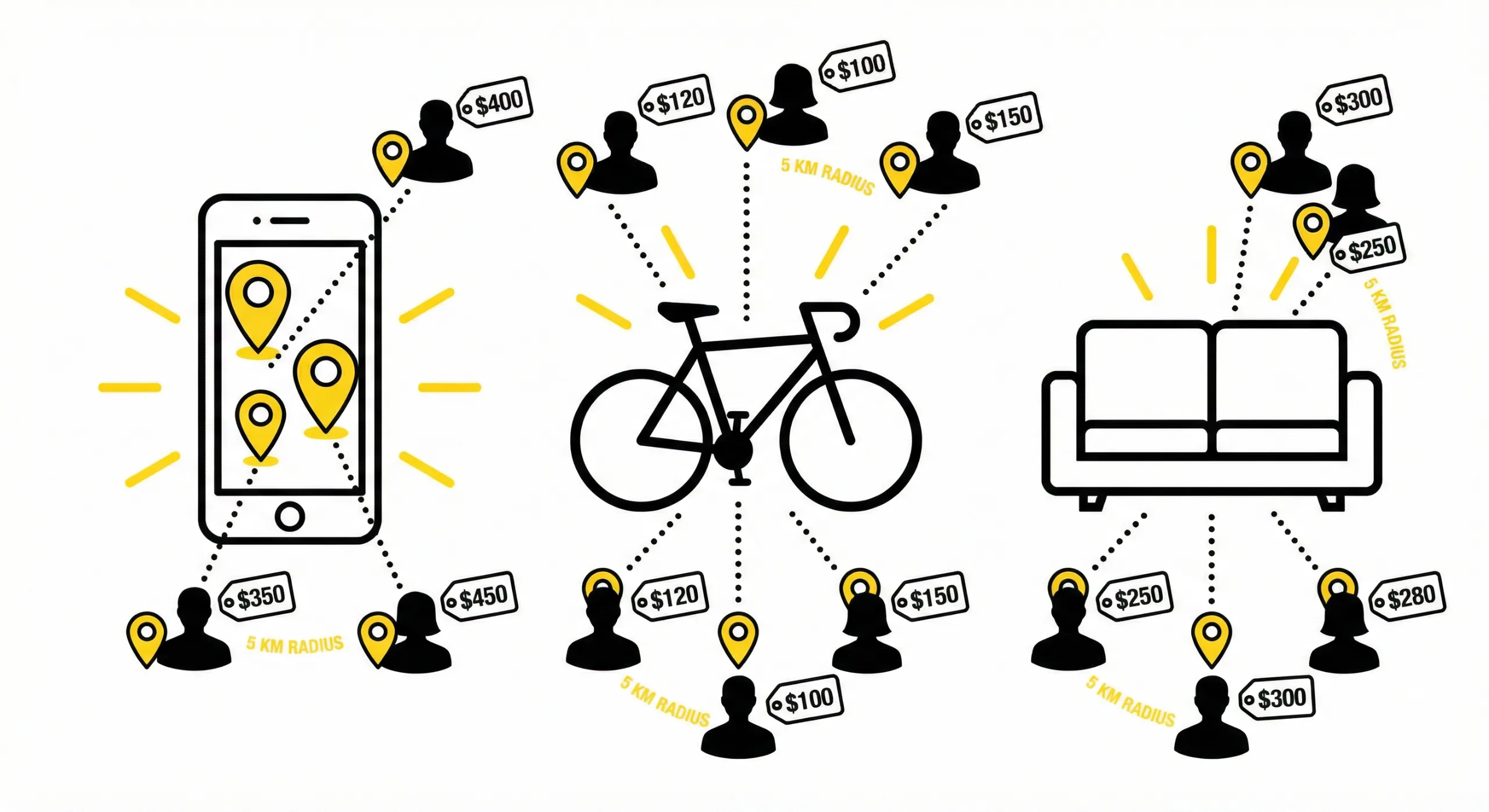
When you list something locally with sympl, buyers nearby can see it, ask questions, and collect it quickly. There’s no waiting for shipping or dealing with complicated returns. If you’re selling a stroller, interested parents can visit, check if it suits them, and take it home the same day.
Give items a second life locally
Your old microwave, the TV you replaced, the bookshelf that doesn’t fit anymore these don’t need to end up in a landfill. Someone in your area is probably looking for exactly these items at an affordable price.
Practical Steps to Start Reusing and Reducing Waste
Making reuse a regular practice doesn’t require major effort. Small changes in how families approach buying and selling make a difference.
Before buying something new:
- Check sympl classifieds first to see if anyone is selling what you need
- Consider whether a second-hand version would work just as well
- Remember that many items, especially for children, are barely used before being sold
When something becomes unused:
- List it as soon as you realize you won’t use it anymore
- Price it to sell, not to maximize profit
- Take clear photos and write honest descriptions
- Respond quickly to interested buyers
For children’s items:
- Sell seasonal clothes at the end of the season while they’re still current
- Pass on toys, books, and equipment as soon as your child outgrows them
- Buy second-hand for things children use briefly party wear, sports gear, hobby items
For household items:
- When upgrading appliances or furniture, sell the old one rather than storing it
- If something works but you don’t use it, someone else will
- Local buyers for furniture and appliances are almost always available
Time and Money Benefits of Local Reuse
Reducing waste through local buying and selling creates practical benefits beyond just helping the environment.
Time saved:
- Sell items quickly to nearby buyers instead of waiting weeks on large platforms
- Buy what you need locally and bring it home the same day
- Skip the research, delivery waiting, and return processes of online shopping
- Clear out unused items from your home without complicated disposal
Money saved:
- Recover value from children’s items that would otherwise go to waste
- Buy second-hand at 40–70% less than new prices
- Avoid disposal fees for large items by selling them instead
- Keep more money in your household budget by reducing new purchases
For example, selling outgrown children’s clothes, toys, and equipment throughout the year can bring in several thousand rupees. Buying a second-hand refrigerator or washing machine instead of new saves ₹10,000–20,000 easily. These amounts add up significantly for family budgets.
Teaching Children About Reuse and Value
When families buy and sell locally with sympl, children learn practical lessons about consumption and waste.
- They see that items have value beyond initial use. The bicycle they’ve outgrown can make another child happy. The books they’ve read can help someone else learn.
- They understand that buying second-hand isn’t about lacking money it’s about being practical and reducing waste. Many perfectly good items are available at lower prices because someone else no longer needs them.
- They learn that things don’t need to be thrown away just because they’re done using them. Finding a new home for items is better than creating waste.
These lessons stick with children as they grow, shaping how they think about consumption, money, and waste for the rest of their lives.
Why sympl Classifieds Work Better for Families
Large marketplaces try to serve everyone, which makes them complex. For families who just want to sell a used stroller or buy a study table, this complexity becomes a barrier.
Local focus matches family needs
Families don’t want to ship heavy items or coordinate deliveries across cities. They want someone nearby who can come, check the item, and take it. Sympl classifieds connect families in the same area, making transactions practical.
Lower costs mean better value
Without platform fees or seller commissions, families selling items keep the full amount. Families buying items pay only the agreed price. This makes reuse economically attractive on both sides.
Direct communication builds trust
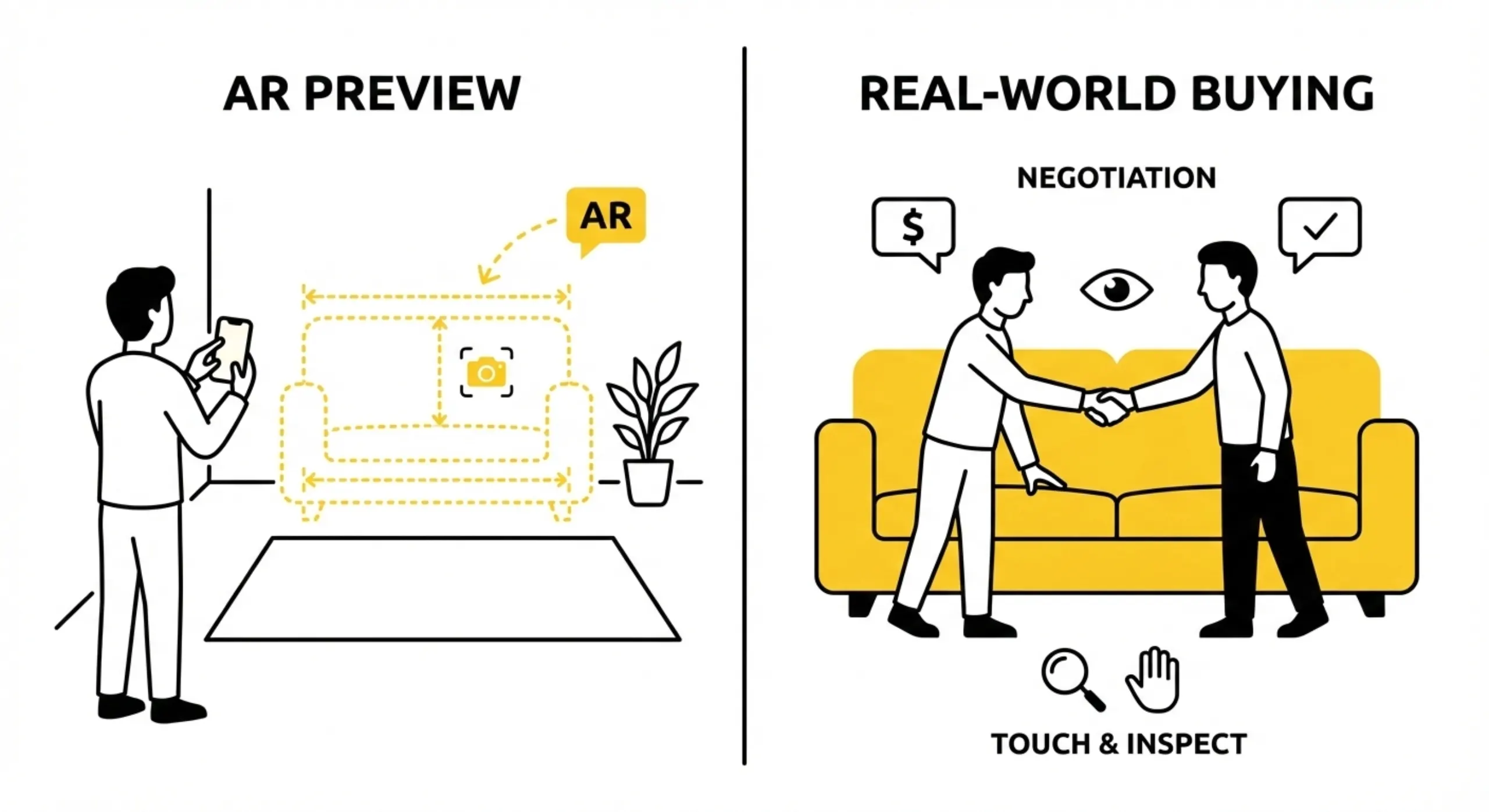
When you’re buying a baby cot or a bicycle for your child, you want to see it first, ask questions, and make sure it’s safe. Direct contact with local sellers makes this possible. You can visit their home, inspect items properly, and feel confident about what you’re buying.
Faster process reduces friction
The easier it is to sell and buy, the more likely families are to actually do it. Sympl removes unnecessary steps, making reuse a regular habit rather than an occasional effort.
Common Items Families Buy and Sell Locally
Always in demand:
- Children’s furniture (cribs, study tables, bunk beds)
- Working appliances (refrigerators, washing machines, TVs)
- Bicycles and sports equipment
- School bags, uniforms, and educational books
- Home furniture in good condition
Quick sellers:
- Baby items (strollers, car seats, high chairs)
- Seasonal clothing in good condition
- Electronics that work properly
- Kitchen appliances and cookware
- Exercise equipment
Worth buying second-hand:
- Anything children outgrow quickly
- Furniture for temporary needs
- Appliances being replaced due to upgrades, not failure
- Books, toys, and games
- Occasional-use items like party wear or camping gear
Who Benefits Most from Local Reuse Practices
- Families with young children: Constantly dealing with outgrown clothes, toys, and equipment that can be passed on to others
- Budget-conscious households: Looking to reduce expenses without compromising on what the family needs
- Environmentally aware families: Wanting to reduce waste and consumption without making life complicated
- First-time parents: Learning that many baby items are available second-hand at a fraction of new prices
- Anyone simplifying their home: Clearing out unused items while helping them find new purpose with local families
Making Reuse Part of Regular Family Life
Reducing waste through reuse doesn’t require a complete lifestyle change. It starts with small, practical decisions.
- Instead of automatically buying new, check what’s available locally first.
- Instead of storing items “just in case,” sell them to someone who needs them now.
- Instead of throwing away functional items, list them on sympl and let other families benefit.
Local classifieds like sympl make this process easy enough to become routine. A few minutes to list something, a quick conversation with a buyer, and the transaction is done. The item moves to someone who needs it, you recover some money, and waste is reduced.
Over time, these small actions add up. Families save thousands of rupees, homes stay less cluttered, and useful items circulate within the community instead of becoming garbage.
Conclusion
Every family wants to be practical with money and responsible about waste. The challenge has always been finding a sympl way to do both. Local buying and selling solves this by connecting families in the same area who can help each other.
Items that one family has outgrown become exactly what another family needs. Nothing gets wasted, everyone saves money, and the process stays straightforward because buyers and sellers are nearby.
For families looking to reduce waste and manage budgets better, local reuse with sympl isn’t just a good idea, it’s one of the most practical changes they can make.