
You’re selling a washing machine because you’re moving to a furnished flat.
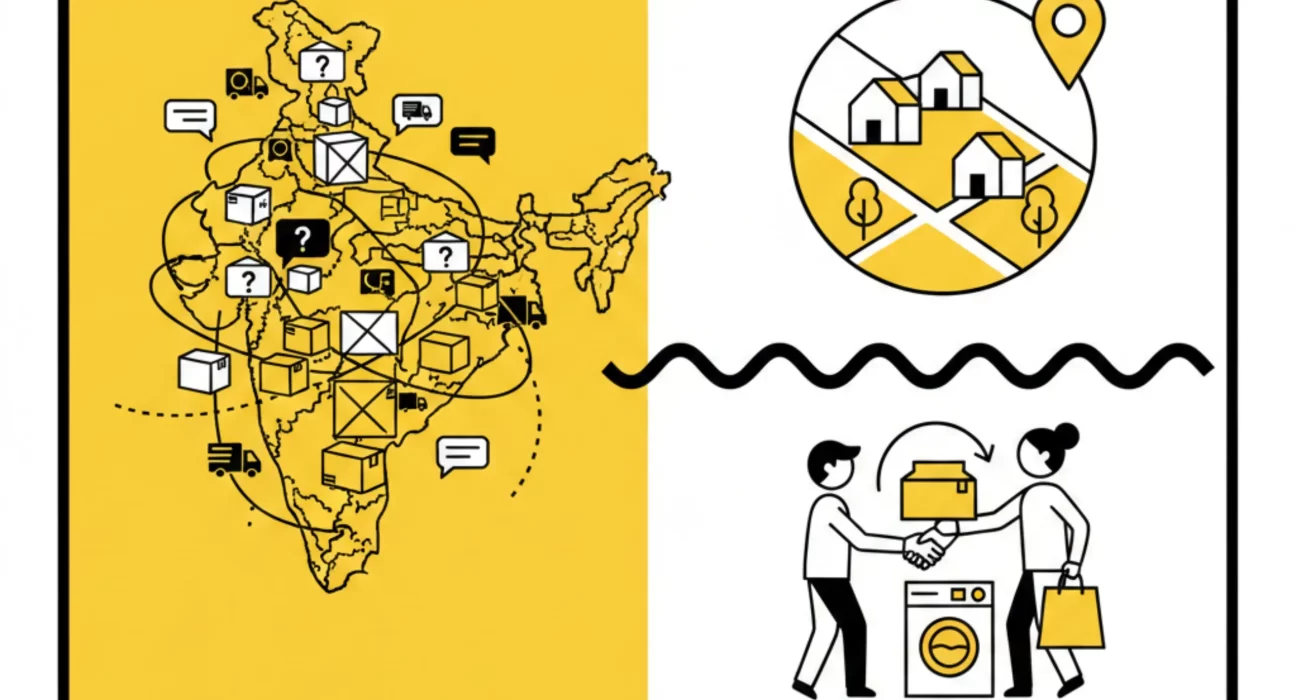
You list it on a national marketplace. Within hours, you get messages from people in other cities asking if you’ll ship it. Someone from 800 kilometres away offers a price but wants you to arrange a courier. Another person asks for detailed dimensions and warranty information.
None of them are serious buyers. None of them will actually show up.
Meanwhile, someone living three streets away who would’ve bought it immediately never sees your listing; it’s buried under thousands of similar posts from across the country.
This is the problem with nationwide platforms. They promise to reach but deliver noise. For everyday items that work best with local transactions, casting a wider net doesn’t help. It just wastes time.
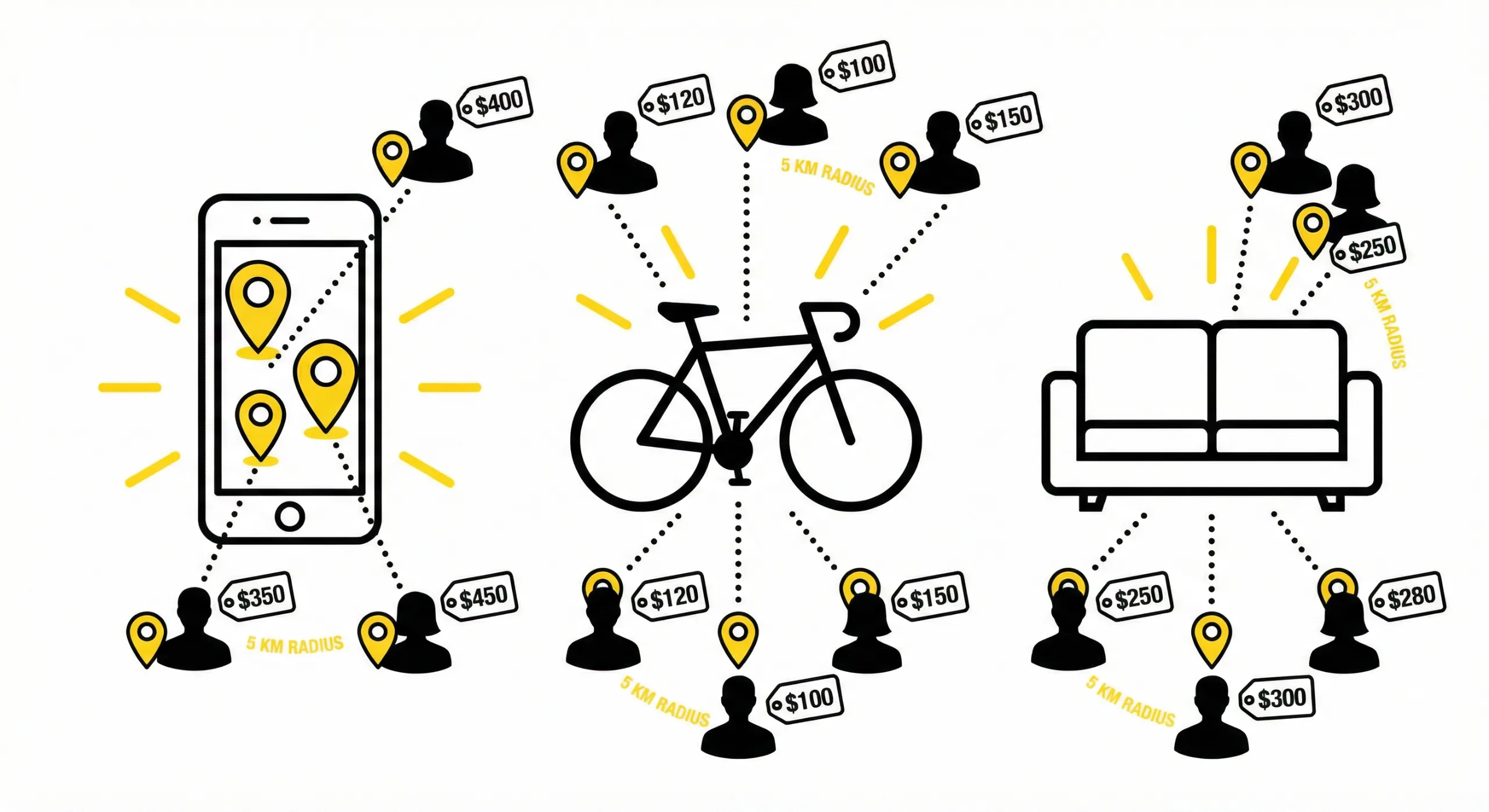
Platforms like Sympl are built differently. They focus on neighbourhood-based buying, connecting you with local buyers and sellers who can actually complete the transaction. When you buy and sell locally, you deal with people nearby who are genuinely interested and can act quickly.
Why Nationwide Reach Doesn’t Work for Most Items
The idea sounds logical: more people seeing your listing means more potential buyers.
But in practice, it creates more problems than it solves.
Distance kills deals
Someone 500 kilometres away can’t inspect a second-hand bike. They can’t test a used phone. They won’t travel for furniture. Most inquiries from distant buyers go nowhere.
Shipping isn’t practical
Couriering a refrigerator or dining table costs more than many items are worth. Even smaller items like electronics involve packaging hassles, transit risks, and delivery delays.
Trust issues multiply
Without face-to-face interaction, both parties worry about scams. Buyers fear receiving damaged goods. Sellers worry about payment fraud. These concerns slow down or prevent transactions.
Unserious enquiries flood in
People browsing nationally often message out of curiosity, not intent. They ask questions but never commit. Sellers waste time responding to people who were never going to buy.
For students, families, and working professionals selling everyday items, this nationwide approach is exhausting and ineffective.
What they need isn’t more visibility it’s the right visibility. They need to reach people nearby who can actually complete the deal.
How Neighbourhood Platforms Change the Dynamic
When you sell items fast, it’s usually because the buyer is local.
Here’s why neighbourhood-based buying works better:
Proximity creates urgency
Someone living nearby can visit the same day. They’re not planning a trip across the city they’re making a short detour. This immediacy leads to faster decisions.
In-person verification builds confidence
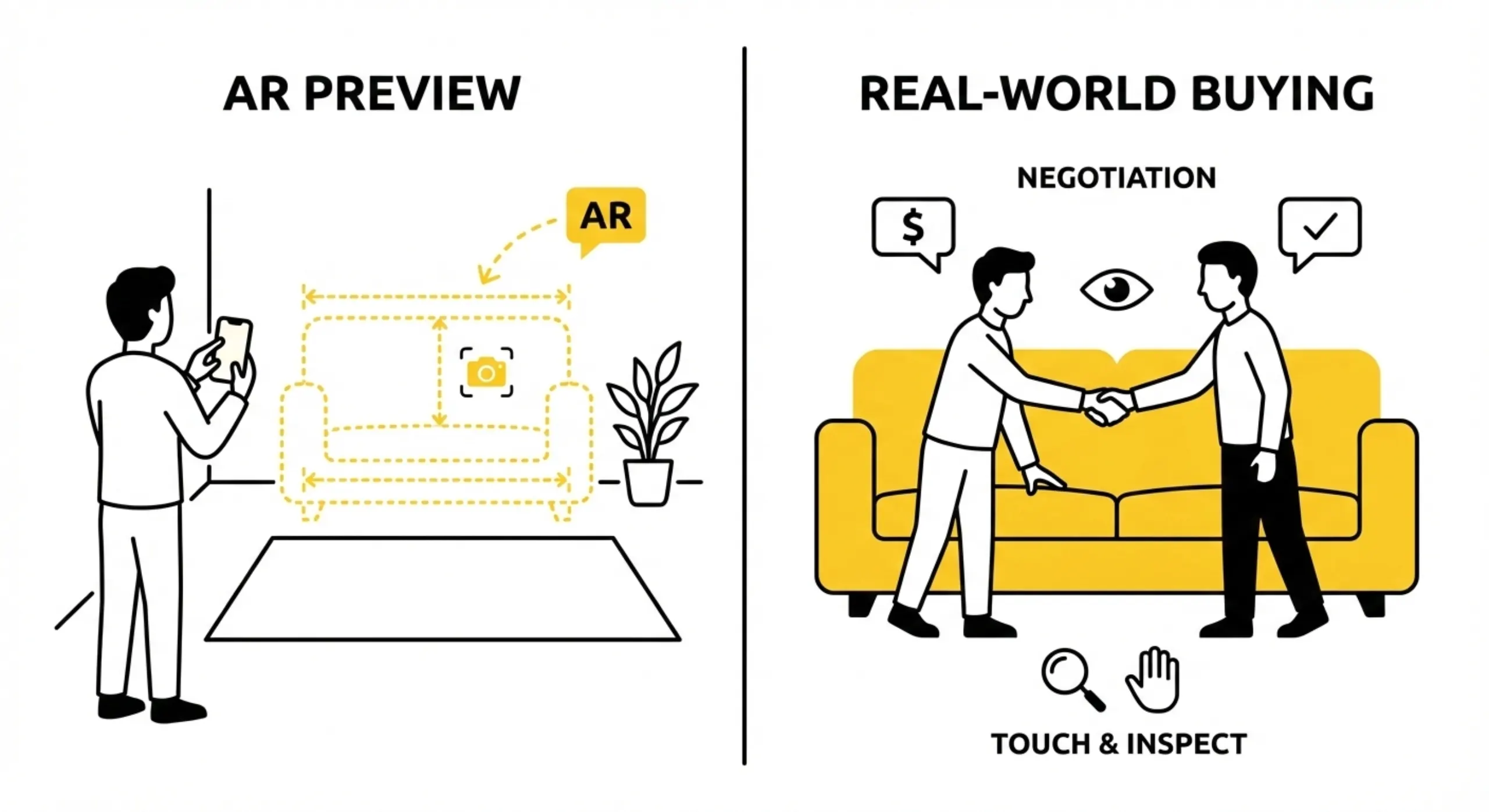
Buyers can see, touch, and test items before paying. Sellers can assess buyers and decide on the spot. This transparency speeds up transactions.
No logistics complications
Everything happens within a few kilometres. No shipping forms, no courier tracking, no waiting days for delivery. Just meet, exchange, and be done.
Local trust matters
In Indian neighbourhoods, reputation matters. People are accountable because they’re part of the same community. This reduces fraud and builds confidence on both sides.
Conversations are more genuine
When someone nearby messages you, they’re usually serious. They’re not window shopping from another state they’re planning to buy if the item meets their needs.
Platforms like Sympl facilitate these connections by keeping everything local. Your listing reaches people in your area who are actually able to act on it.
Real-Life Examples of Local Transactions
Selling a bike in Pune
Amit wanted to sell his bike before relocating for work. He listed it on Sympl with basic details and his locality. A college student from the same area contacted him within hours, inspected the bike that evening, and bought it the next day. Total time from listing to sale: 36 hours.
Buying furniture in Bangalore
Sneha was furnishing her new flat on a budget. She browsed “Furniture” listings in her neighbourhood on a local classifieds platform. She found a study table three kilometres away, visited the seller the same weekend, and brought it home. No shipping costs, no waiting, no uncertainty.
Selling electronics in Delhi
Rohan upgraded his laptop and wanted to sell the old one. He posted it in his area. A working professional from the next sector saw the listing during his commute, messaged immediately, and picked it up after work. The transaction happened face-to-face at a nearby café.
None of these transactions would have been this smooth on a nationwide platform. The speed, convenience, and trust all came from proximity.
What Makes Neighbourhood Buying Practical
Local buying isn’t just faster, it’s built for how people actually live.
It fits daily routines
Buyers can check items on their way home from work. Sellers can schedule viewings around their existing plans. Everything happens within familiar areas.
It reduces travel time and cost
No crossing the city for a transaction. No spending on petrol or auto fares to inspect something you might not even buy. Nearby deals save both time and money.
It enables same-day transactions
Someone can message you in the morning and pick up the item in the evening. This speed is impossible with nationwide platforms where coordination takes days.
It supports cash payments
For smaller items, cash works perfectly. No payment gateway fees, no wallet complications, no waiting for transfers to clear.
It allows flexible meeting points
Meet at your building gate, a local metro station, or a neighbourhood café. Familiarity makes both parties comfortable.
These practical advantages explain why people prefer simple classifieds for everyday buying and selling. The platforms work with their lifestyle instead of against it.
Cost Savings from Local Transactions
Nationwide platforms hide costs that local transactions eliminate.
No shipping charges
This alone saves hundreds or thousands depending on the item. A washing machine shipped across states could cost ₹1,500-₹2,000 in courier fees. Local pickup costs nothing.
No packaging expenses
Sellers don’t need to buy boxes, bubble wrap, or packing materials. Just hand over the item as-is.
Lower prices overall
Sellers can price items lower when they’re not accounting for shipping and platform fees. Buyers get better deals.
No platform commissions
Many local classifieds don’t charge success fees or listing fees. You keep the full sale amount.
Reduced risk costs
No spending on insurance for shipped items. No losses from transit damage. Face-to-face exchange means both parties verify everything before money changes hands.
For low-cost buying, these savings make a real difference. A ₹5,000 item becomes more affordable when you’re not adding ₹500 in shipping and ₹300 in platform fees on top.
Who Benefits Most From Neighbourhood Platforms
Students
Constantly buying and selling textbooks, electronics, and hostel essentials. Need quick local deals that fit tight budgets and busy schedules.
Families
Selling outgrown children’s items, old appliances, or furniture when upgrading. Nearby buyers make transactions convenient without disrupting family routines.
Working professionals
Relocating frequently for jobs. Need to sell items fast before moving and buy essentials quickly after arriving. Local platforms make both easier.
Senior citizens
May not be comfortable with complex online processes or shipping logistics. Prefer meeting buyers in person and handling transactions simply.
First-time sellers
No experience with online marketplaces. Neighbourhood platforms are less intimidating because they mirror real-world exchanges.
Anyone who values convenience, trust, and practical outcomes over theoretical reach benefits from this approach.
Why Local Beats National for Second-Hand Items
New products can ship anywhere. Second-hand items work differently.
When you’re buying a used phone, you want to test it. Turn it on, check the screen, verify the battery. This only works in person.
When you’re buying a used bike, you want to ride it. Check the brakes, test the gears, listen for unusual sounds. You can’t do this through photos and descriptions.
When you’re buying used furniture, you want to see if it fits your space, matches your décor, and is in acceptable condition. Pictures don’t tell the full story.
This verification need makes local transactions essential for second-hand items. Platforms like Sympl recognize this and build everything around neighbourhood proximity.
You’re not competing with sellers across the country. You’re connecting with a smaller pool of serious local buyers who actually plan to complete the purchase.
The Trust Factor in Local Communities
Nationwide platforms depend on ratings, reviews, and verification systems to build trust.
Neighbourhood platforms work differently. Trust comes from proximity and accountability.
Community reputation matters
In a local area, word spreads. Sellers who misrepresent items or buyers who waste time develop reputations. This social pressure keeps transactions honest.
Face-to-face accountability
It’s harder to scam someone you’re meeting in person. Both parties can assess each other and walk away if something feels wrong.
Ongoing relationships
In tight-knit communities, you might encounter the same person again. This encourages fair dealing and respectful behaviour.
Familiar locations
Meeting in your own neighbourhood feels safer than traveling to unfamiliar areas across the city.
In India, where local communities and residential societies form close networks, this trust mechanism works naturally. Platforms that enable local buying and selling tap into existing social structures instead of trying to replace them with artificial verification systems.
Comparing Nationwide and Neighbourhood Models
Nationwide platforms
Millions of listings → Your post gets buried → Messages from distant users → Shipping coordination required → Payment complications → Days or weeks to sell → Higher costs.
Neighbourhood platforms like Sympl
Local listings only → Your post stays visible → Messages from nearby users → In-person meetups → Direct payment → Hours or days to sell → Lower costs.
The second model isn’t just faster. It’s fundamentally more suited to how second-hand transactions actually work.
Large platforms built for ecommerce try to force local items into a national framework. It doesn’t fit.
Neighbourhood platforms accept that most items are best sold locally and build their entire system around that reality.
How Location-First Design Works
Platforms focused on neighbourhood buying organize everything around proximity.
Location filters come first
Before category, price, or other filters, you select your area. This ensures every result is actually accessible to you.
Distance indicators
Listings show how far away the seller is. You can prioritize items within walking distance or a short drive.
Neighbourhood-specific feeds
See what’s recently posted in your area. No scrolling through listings from cities you’ll never visit.
Local pickup defaults
The assumption is in-person exchange, not shipping. The platform doesn’t even ask about delivery preferences because they’re irrelevant.
Area-based notifications
Get alerts when items you’re interested in appear in your neighbourhood. This targeted approach beats random nationwide notifications.
This location-first design makes buying and selling feel natural. You’re not fighting the platform’s assumptions about how transactions should work.
The Practical Reality of Indian Cities
India’s geography and infrastructure make local transactions even more sensible.
Traffic and commute times
Traveling 15 kilometres in Bangalore or Delhi can take 90 minutes. Crossing the city for a ₹3,000 item doesn’t make sense. But traveling three kilometres for the same item is easy.
Varied neighbourhoods
Each area has different buyer demographics. Listing locally means your item reaches the right audience naturally students near colleges, families in residential zones, professionals in office areas.
Payment preferences
Cash and instant UPI transfers work perfectly for in-person deals. Complex payment systems add unnecessary steps.
Language and communication
Local buyers and sellers often share language preferences and communication styles, making negotiations smoother.
Trust in familiar spaces
Meeting someone in your own area feels safer than arranging meetups in distant, unfamiliar locations.
Neighbourhood platforms like Sympl work with these realities instead of ignoring them.
When Nationwide Platforms Still Make Sense
Local platforms aren’t always the answer.
For rare items with niche audiences collectibles, specialized equipment, vintage goods you might need nationwide reach to find the right buyer.
For brand new products with warranties and formal return policies, ecommerce infrastructure makes sense.
But for everyday items that most people buy and sell phones, bikes, furniture, appliances, books, clothes, neighbourhood platforms deliver better results.
They match the item type to the transaction model. And for most second-hand goods, that model is local.
Final Thoughts
The shift from nationwide to neighbourhood-based buying isn’t about limiting options. It’s about matching platforms to how transactions actually work.
When you sell items fast, it’s because you connected with someone who could act immediately. That person is almost always nearby.
When you find great deals, it’s because you browsed what’s available in your area and found exactly what you needed without traveling across the city.
Platforms like Sympl succeed by embracing this reality. They don’t try to be everything to everyone. They focus on making local buying and selling easy, quick, and trustworthy.
For anyone tired of wasting time with distant enquiries, shipping complications, and deals that never close, neighbourhood-based platforms offer a practical alternative.
Your next buyer isn’t browsing from another state. They’re probably living a few kilometres away, looking for exactly what you’re selling.