
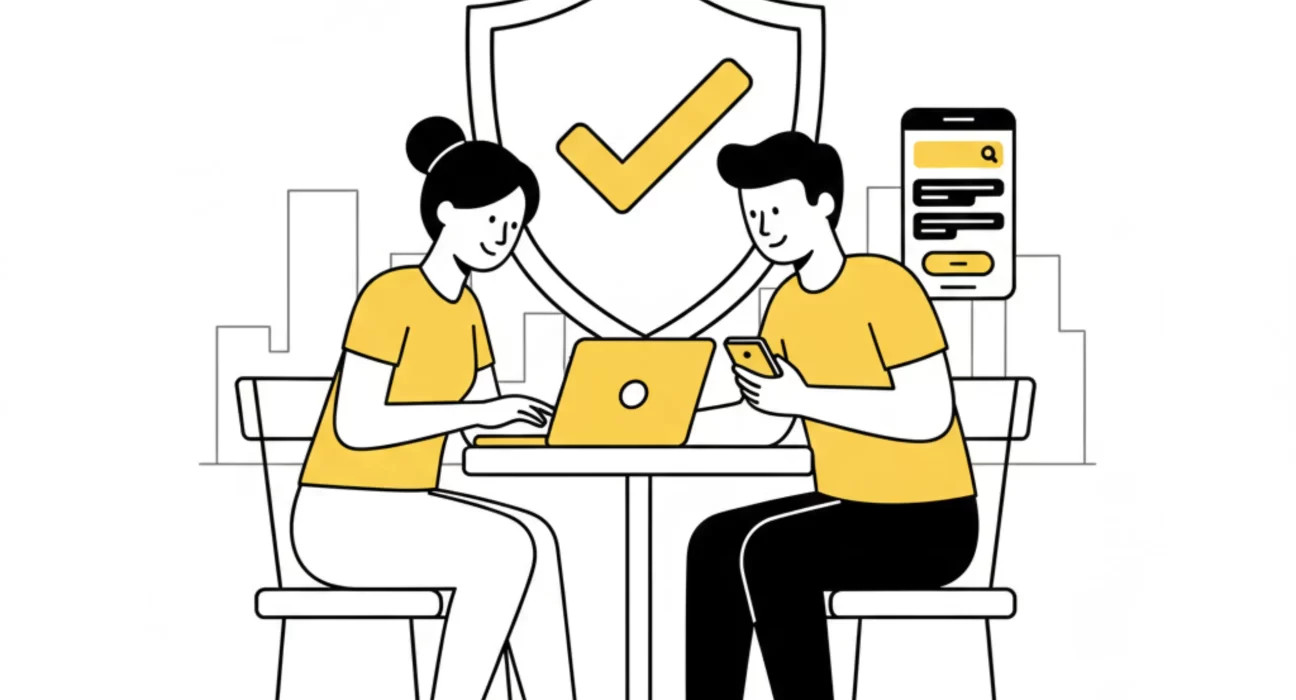
You’re about to buy a used laptop from someone online. The price is good. The photos look fine. But something feels off. How do you know the seller is genuine? How do you know the item isn’t damaged or stolen? Trust is the biggest concern when buying or selling online. Big marketplaces try to solve this with verification badges, ratings, and customer support. But these systems often feel impersonal and slow. Fake reviews exist. Verified sellers disappear after taking payment. Simple local classifieds build trust differently. They focus on direct, face-to-face transactions with people nearby. You meet the seller, inspect the item, and pay only when satisfied. It’s transparent, human, and practical.
Why Trust Matters More Than Features
A marketplace can have every feature imaginable: advanced search filters, payment gateways, insurance options, chatbots. But if users don’t trust it, none of that matters. Trust determines whether people actually complete transactions. It affects how honest listings are. It decides whether buyers feel safe meeting sellers. It shapes the entire experience.
Most trust issues come from three problems.
You can’t verify who you’re dealing with
Profiles are anonymous. Photos might be fake. There’s no way to confirm if someone is genuine.
The platform is too big to feel accountable
When millions of users are involved, individual problems get lost. Customer support is automated or unresponsive.
Transactions happen remotely
You pay first, then hope the item arrives as described. If something goes wrong, resolving it takes weeks.
These issues are common on large, nationwide marketplaces. They’re built for scale, not for building genuine trust between buyers and sellers.
What Makes a Platform Trustworthy
Trustworthy marketplaces share certain qualities. They’re not always flashy features. Often, they’re basic principles applied consistently.
Transparency in Listings
A trustworthy platform encourages honest listings. Sellers describe items accurately, mention flaws upfront, and use real photos. This happens naturally when transactions are local. If you’re meeting a buyer face-to-face, you can’t hide major defects. They’ll see the item and walk away if it doesn’t match the description. On large platforms, sellers can get away with misleading photos or vague descriptions because buyers can’t inspect items before paying.
Direct Communication Between Buyers and Sellers
Trustworthy platforms let buyers and sellers talk directly without intermediaries or automated systems filtering messages. When you can chat openly, you get a sense of who you’re dealing with. You can ask detailed questions. You can negotiate. You can decide if the person seems reliable. Platforms that restrict communication or force you through chatbots create distance. That distance reduces trust.
Local Focus Reduces Riskf
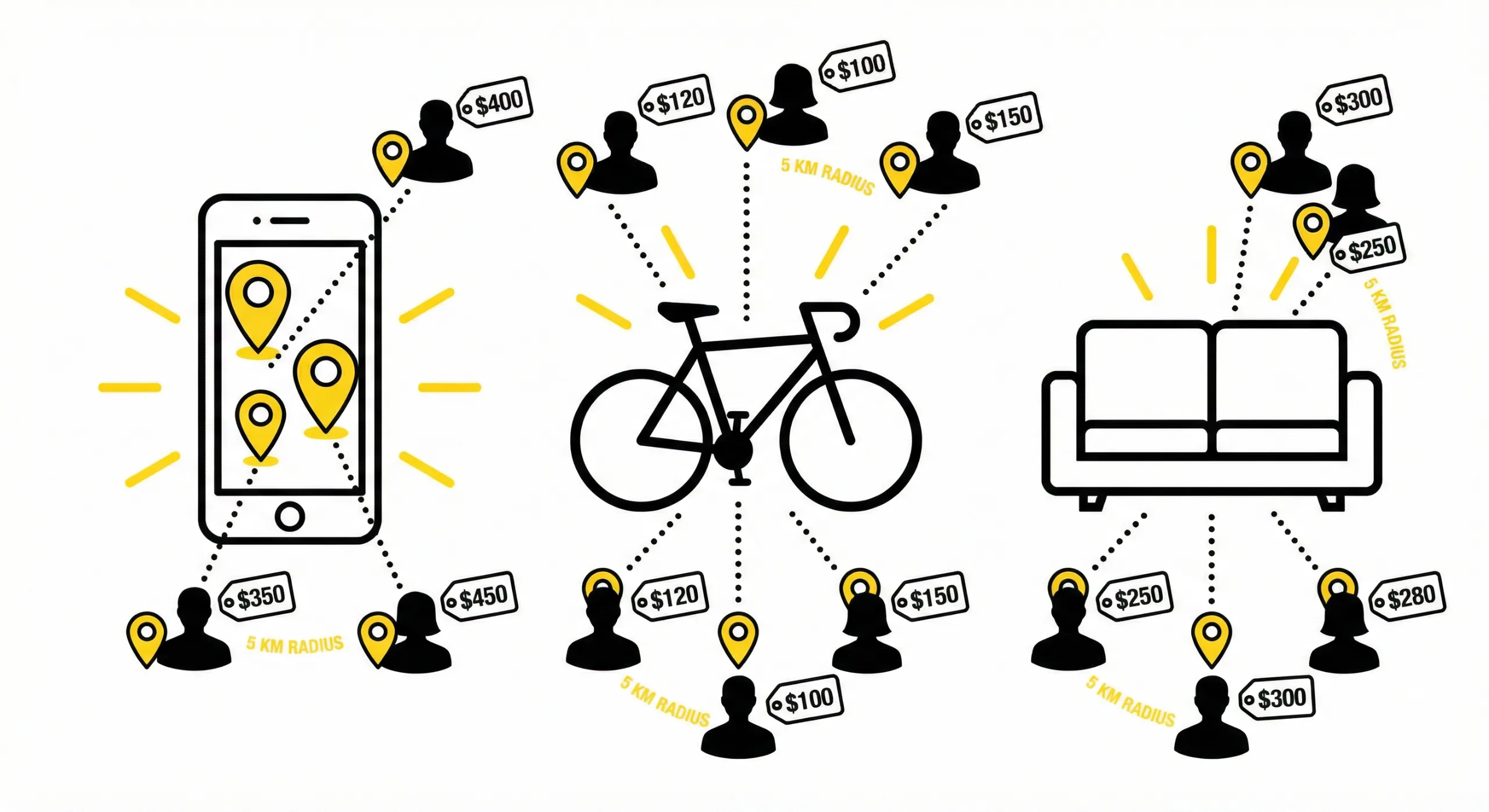
When buyers and sellers are from the same city or neighbourhood, trust becomes easier to establish.You meet in public places. You inspect the item before paying. If sofmething feels wrong, you walk away. No money has changed hands yet. This face-to-face interaction is the strongest form of verification. No badge or rating system can replace it.
No Hidden Costs or Surprises
Trustworthy platforms are upfront about costs. No hidden fees. No surprise commissions. No mandatory insurance or shipping charges. When you know exactly what you’re paying, you feel in control. Hidden costs create suspicion. Platforms like Sympl don’t charge listing fees or take commissions. What the buyer pays is what the seller receives. This transparency builds trust on both sides.
How Local Buying and Selling Builds Trust Naturally
Local classifieds solve trust problems by design, not by adding layers of verification.
You meet in person
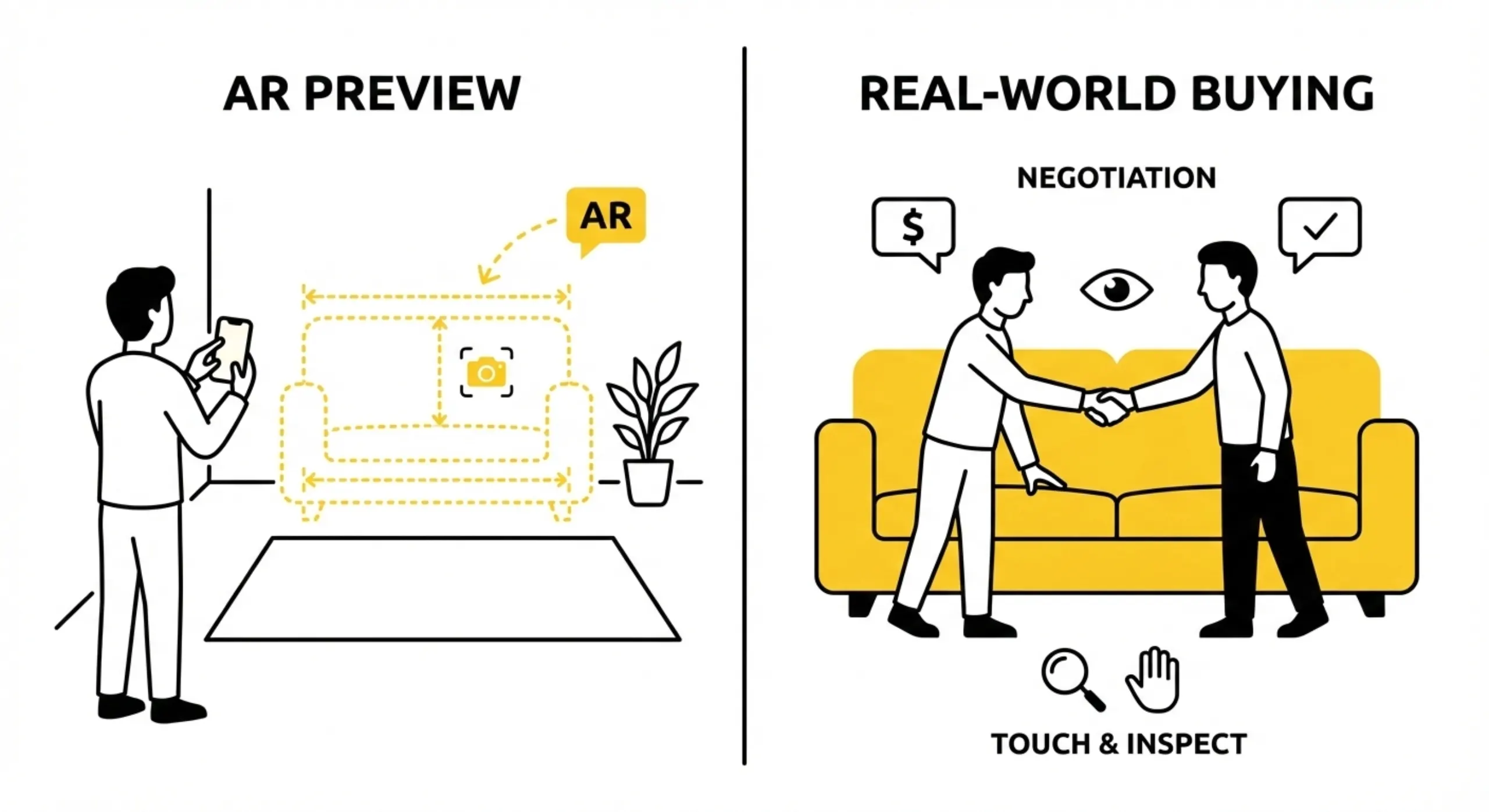
Seeing someone face-to-face tells you more than any online profile. You can gauge their honesty, ask questions, and inspect the item.
You inspect before paying
If a phone’s screen is cracked or a bike’s brakes don’t work, you see it immediately. No surprises later.
Transactions are immediate
You hand over cash or transfer via UPI in person. The seller gives you the item. Done. No waiting for shipping or worrying about refunds.
Both parties are accountable
Because you’re local, there’s a sense of shared community. People are less likely to scam someone from their own city.
Disputes are rare
When everything happens face-to-face, misunderstandings are resolved on the spot. No need for customer support tickets or lengthy complaint processes. This model works especially well for everyday items phones, bikes, furniture, appliances, books. These are things buyers want to see and test before purchasing.
Real Examples of Trust in Action
Ravi buys a bike in Pune
He finds a listing for a used bike on Sympl. The seller lives nearby. Ravi messages him, asks about the bike’s condition, and arranges to meet at a public park. He tests the bike, checks the brakes and gears, and negotiates the price slightly. Satisfied, he pays in cash and rides the bike home. Total time: one hour.
Meera sells her fridge in Mumbai
She’s moving to a smaller flat and needs to sell her fridge quickly. She posts it on a local classifieds platform. A buyer from the same neighbourhood visits her home, inspects the fridge, and agrees to the price. He brings a tempo, loads it, and pays her immediately. No shipping. No hassle.
Arjun buys textbooks in Delhi
He needs second-year engineering books. A senior at his college is selling them. They meet on campus, Arjun flips through the books to check for notes and damage, and buys them at half the original price. Done in fifteen minutes.
In each case, trust was established through direct interaction, local proximity, and face-to-face inspection. No verification systems were needed.
Signs of a Trustworthy Marketplace
If you’re evaluating whether a platform is trustworthy, look for these signs.
Clear, honest communication
The platform doesn’t hide terms and conditions in fine print. Everything is explained simply.
No pressure tactics
You’re not pushed to buy premium features, boost ads, or pay for verification.
Local focus
The platform connects you with buyers or sellers nearby, not random people from across the country.
Simple processes
Posting ads, chatting with buyers, and completing transactions are straightforward. No complicated steps or confusing menus.
No unnecessary intermediaries
You deal directly with the other party. The platform doesn’t insert itself between you and the transaction.
Free or low-cost usage
Trustworthy platforms don’t nickel-and-dime users. They keep costs minimal or non-existent.
Platforms like Sympl check these boxes by focusing on simplicity and local connections rather than trying to scale nationwide.
What Buyers Look for in Trustworthy Sellers
Trust isn’t just about the platform. Sellers also need to build trust with buyers.
Honest listings
Clear photos, accurate descriptions, and upfront mentions of any damage or wear.
Quick responses
Replying to messages within a few hours shows you’re serious and reliable.
Willingness to meet in public
Suggesting safe, public meetup spots puts buyers at ease.
Fair pricing
Charging a reasonable price based on the item’s condition and local market rates.
Openness to inspection
Letting buyers test or examine the item without rushing them.
These behaviours signal that the seller is genuine and has nothing to hide.
What Sellers Look for in Trustworthy Buyers
Sellers also assess whether buyers are serious and reliable.
Clear communication
Buyers who ask specific questions and respond promptly are usually genuine.
Reasonable offers
Lowball offers or constant haggling can indicate someone who isn’t serious.
Punctuality
Buyers who show up on time for meetups demonstrate respect and commitment.
Respectful behaviour
Polite, straightforward communication builds trust quickly.
When both sides approach the transaction with honesty and respect, trust forms naturally.
How Trustworthy Platforms Handle Issues
No platform is perfect. Problems occasionally arise miscommunication, no-shows, disagreements over condition.
Trustworthy platforms handle these issues by keeping things simple.
Direct resolution
Because transactions are local and face-to-face, most issues are resolved on the spot. If the item doesn’t match the description, the buyer doesn’t buy it. Simple.
Minimal intervention
The platform doesn’t need to step in often because direct communication solves most problems.
User education
Good platforms provide safety tips, like meeting in public places and inspecting items before paying.
This is different from large marketplaces, where disputes require filing complaints, waiting for reviews, and navigating automated customer support.
Cost and Time Benefits of Trustworthy Local Platforms
Trust isn’t just a nice-to-have. It directly affects how much time and money you save.
No wasted trips
Because you can chat and clarify details beforehand, you don’t waste time meeting buyers or sellers who aren’t serious.
No scams or fraud
Face-to-face transactions dramatically reduce the risk of scams. You see the item, verify its condition, and pay only when satisfied.
No return hassles
Since you inspect before buying, there’s no need for returns, refunds, or shipping items back.
Faster transactions
Trust speeds things up. When both parties are confident, decisions are made quickly.
Lower costs
You avoid shipping fees, platform commissions, and charges for verification or premium features.
These benefits matter especially to students, families, and working professionals who value both their time and money.
Who Benefits Most from Trustworthy Marketplaces
Students
Buying and selling textbooks, gadgets, or hostel furniture. They need affordable options and fast transactions.
Families
Selling outgrown items or buying second-hand appliances. They prioritise safety and honest dealings.
Working professionals
Selling or buying items when relocating. They need efficient, no-hassle transactions.
First-time buyers or sellers
People new to online transactions who need a platform that feels safe and straightforward.
Budget-conscious shoppers
Those looking for low-cost buying without the risk of scams or hidden charges.
The common thread is practicality. These are people who value trust, simplicity, and transparency.
Why Sympl Focuses on Trust Through Simplicity
Sympl builds trust by stripping away complexity. There are no verification badges, no ratings, no premium tiers. Just local buyers and sellers connecting directly.
You see who you’re dealing with
Because transactions are local, you meet the person. That’s the best verification.
No intermediaries
You chat directly with buyers or sellers. No automated filters or message delays.
Free to use
No listing fees or commissions. This removes the suspicion that the platform is trying to profit from your transaction.
Public meetups encouraged
The platform promotes safe, face-to-face interactions in public places.
This approach works because it aligns with how trust is naturally built through direct human interaction, not through badges or algorithms.
The Long-Term Value of Trust
Trust isn’t just about completing one transaction successfully. It’s about building a habit of reliable, straightforward exchanges. When people trust a platform, they come back. They sell more items. They recommend it to friends. They feel confident buying and selling without second-guessing every step. Over time, this creates a community of users who value honesty and simplicity. That’s far more valuable than any automated trust system.
Conclusion
A marketplace becomes trustworthy when it focuses on what actually builds trust direct interaction, local proximity, transparency, and simplicity. Features like ratings and verification badges help, but they can’t replace the confidence that comes from meeting someone face-to-face. Platforms like Sympl prove that trust doesn’t require complexity. By connecting local buyers and sellers and encouraging direct, honest transactions, they create an environment where trust forms naturally. If you’re looking to buy and sell locally without worrying about scams, hidden fees, or unreliable sellers, focus on platforms that prioritise simplicity and local connections. That’s where real trust lives.