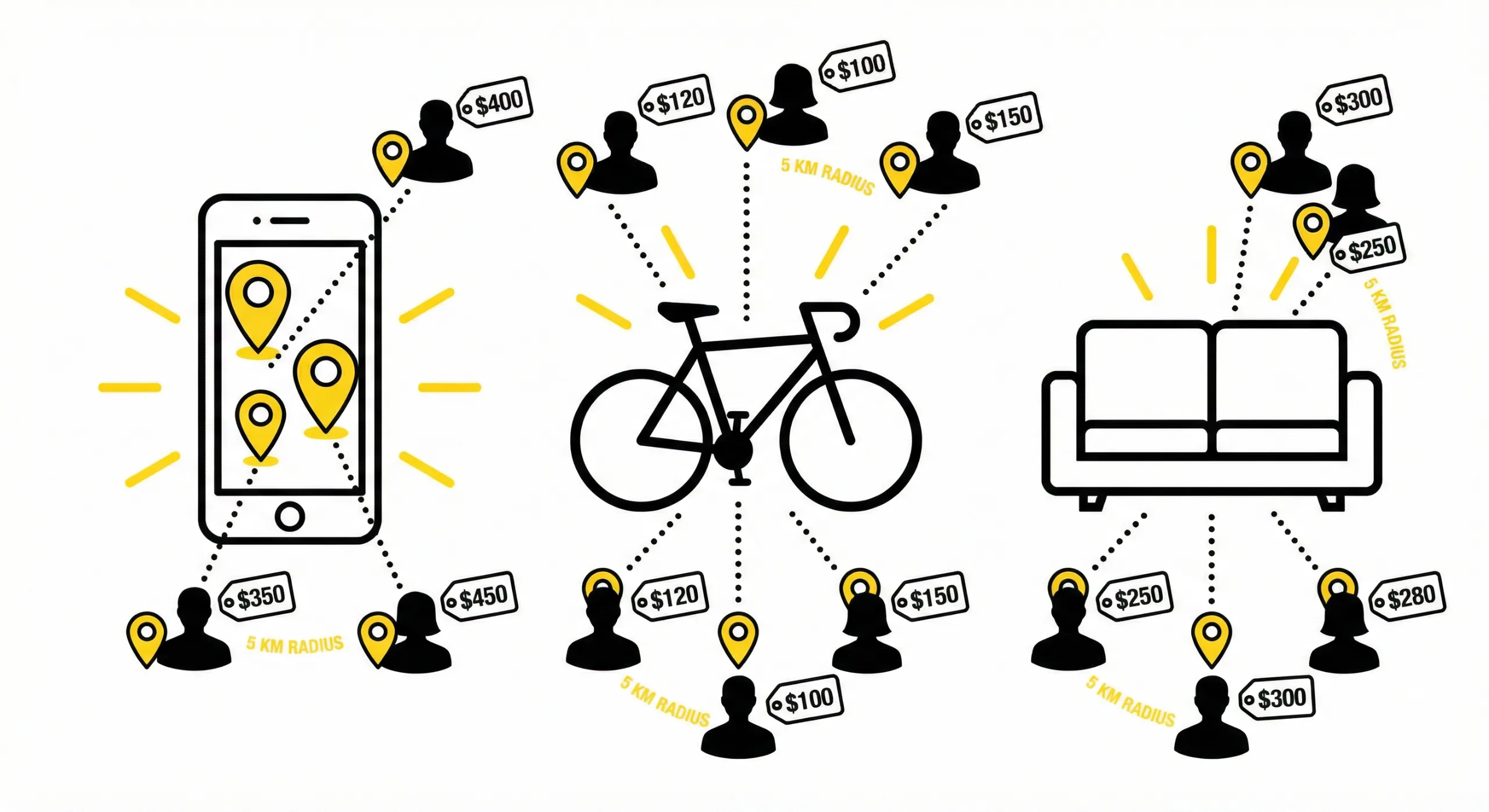

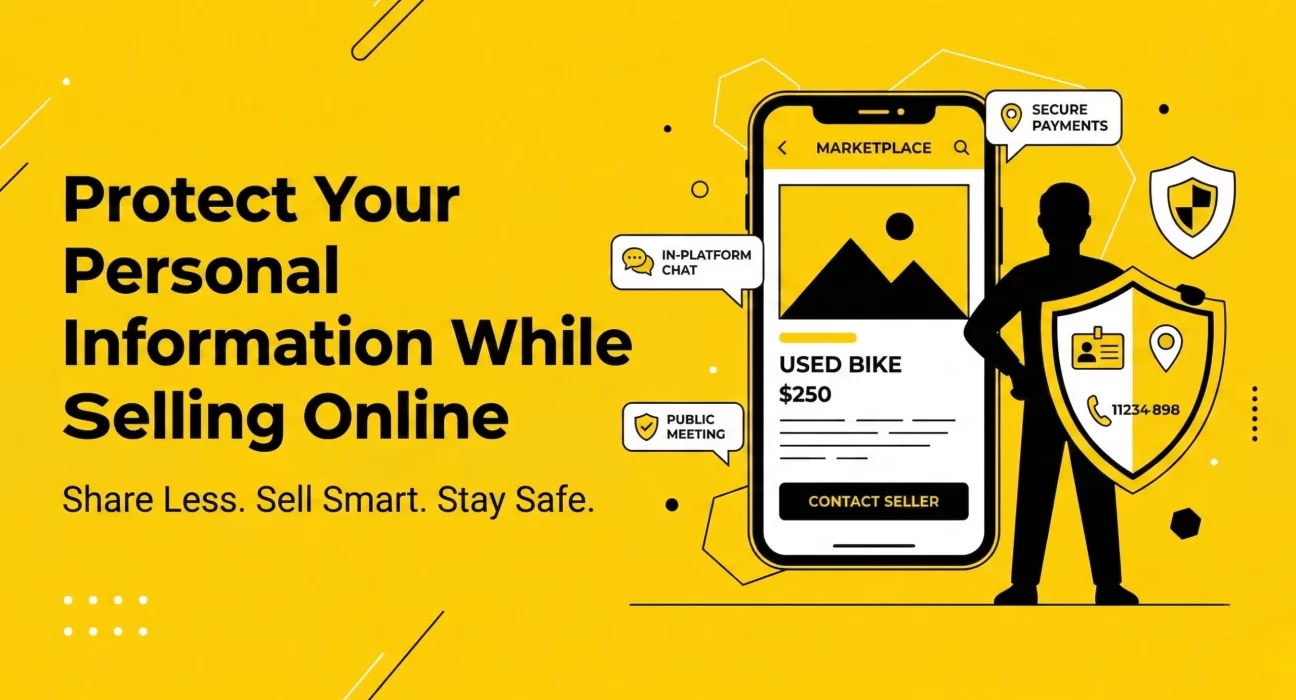
You decide to sell your old washing machine. You post a listing, add your phone number, and wait. Soon enough, you are getting calls not just from buyers, but from people asking odd questions, pushing for your address, or trying to gather more details than any genuine buyer would need. This is something many sellers in India experience without fully realising what is happening. Sharing too much personal information while selling online can lead to spam calls, identity misuse, or worse. Many large platforms make this problem harder to manage. They encourage you to fill in every detail, stay connected through external apps, and respond quickly to every inquiry. The more information you share publicly, the more exposed you become. That is why people looking for the best classified sites in Hyderabad are increasingly choosing simpler, more local options platforms where the process is direct, the audience is nearby, and you do not need to share unnecessary personal details to complete a sale.
Why Sellers End Up Sharing Too Much
Most people do not intend to overshare. It happens gradually, under pressure to seem trustworthy or to close a deal quickly. A buyer asks for your full address “to calculate delivery distance.” Another wants your Aadhaar number “for verification.” Someone asks for your personal WhatsApp number to “discuss outside the app.” Each request seems reasonable on its own, but together they create a profile of you that can be misused. On large, crowded platforms, there is often no clear guidance on what is safe to share. Sellers especially first-timers end up giving out information that was never necessary in the first place.
What Personal Information You Should Never Share While Selling
The basics are worth stating clearly, because many sellers are not sure where the line is.
Never share:
- Your Aadhaar, PAN, or any government ID number
- Bank account details or IFSC codes (share only your UPI ID when payment is needed)
- Your full home address before you are confident about the buyer
- OTPs, PINs, or passwords for any reason, with anyone
- Your alternate phone numbers or personal email linked to sensitive accounts
Be careful about:
- Posting photos of items that show your home’s interior, street, or identifiable landmarks
- Mentioning your daily schedule (“I am home only in the evenings”)
- Sharing your exact location too early in the conversation
None of this requires being rude or suspicious of every buyer. Most people are genuine. But it is reasonable to be careful until you have enough confidence to proceed.
Practical Steps to Protect Yourself When Selling Locally
These habits do not take much effort, but they make a real difference.
Use the platform’s built-in chat: Avoid moving conversations to WhatsApp or personal messaging apps until you are sure the buyer is genuine. Platform chat keeps a record and limits how much personal information gets exchanged early on.
Create a listing-specific contact approach: If your platform allows it, use an in-app number or messaging option instead of your personal number. On platforms that require a phone number publicly, consider a secondary SIM used only for buying and selling.
Meet in a public place for the exchange: For items like phones, laptops, and smaller appliances, suggest meeting at a café, market, or public area near your home. You do not need to invite strangers into your house for a second-hand sale.
Check what your photos reveal: Before uploading images of your item, look at the background. Remove personal documents, family photos, or anything that shows your exact location or daily routine.
Do not rush because someone pressures you: Genuine buyers understand that sellers have their own pace. If someone is pushing hard for your address, your bank details, or a same-day meeting, slow down rather than speed up.
How Selling Locally Reduces Your Information Risk
This is one area where local buying and selling has a genuine advantage over national or pan-India platforms.
When you are dealing with local buyers and sellers in the same city, the same area there is far less need for detailed information exchange. The transaction happens quickly and in person.
- You do not need to share your address with someone you will never meet face to face
- Payment happens directly through UPI, with no need for bank details
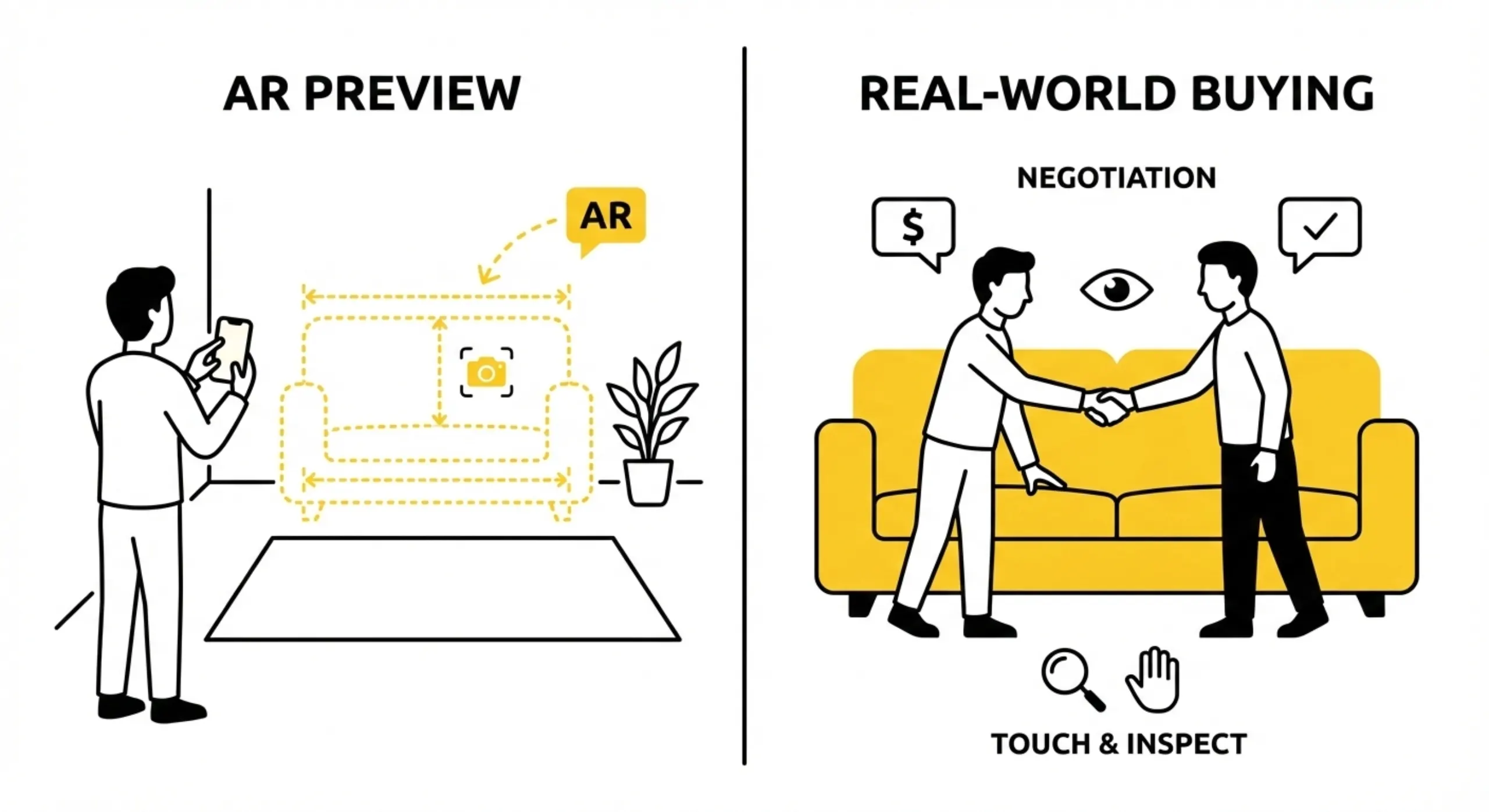
- Local buyers often want to inspect the item before buying, which means a short, verifiable meeting rather than a long digital trail of personal information
- Fewer steps in the process means fewer opportunities for information to be misused
Simple classifieds work well here precisely because they are built around short, direct transactions, not lengthy profiling of buyers and sellers.
Saving Time and Worry with Smarter Local Transactions
Beyond safety, keeping your information minimal also keeps the process fast.
When you sell items fast through local channels, there is no drawn-out verification process, no waiting for a platform to approve your listing, and no requirement to link your personal accounts. You post, a nearby buyer responds, you meet, and the deal is done. For low-cost buying and selling of everyday items such as a fan, a bicycle, a pressure cooker, a second-hand textbook this simplicity is exactly what most people want. You save time because you are not managing a back-and-forth over personal details. You save worry because the transaction does not require you to hand over information that could create problems later.
Who This Matters Most For
Students: living away from home are often selling items at the end of a semester or academic year. They may be in unfamiliar cities and less aware of how to handle inquiries from strangers. Keeping personal details minimal is especially important for them.
Families: selling household goods like furniture, appliances, or children’s items often deal with multiple buyers at once. Managing who has what information becomes important when you are running many conversations in parallel.
Working professionals: listing items between work commitments may not have time to vet every inquiry carefully. Simple habits like keeping conversations on the platform and meeting in public compensate for that time pressure.
First-time sellers: are the most likely to overshare, simply because they do not yet know what is standard. Understanding the basics early makes every future transaction safer.
A Few Real Selling Situations and How to Handle Them
Selling a laptop: A buyer asks for your home address to “check the area before coming.” Offer to meet at a nearby café or market instead. A serious buyer will agree.
Selling furniture: Someone wants to pay via bank transfer and asks for your account number. Share your UPI ID only. There is no need to give full banking details for a local sale.
Selling a two-wheeler: A potential buyer asks to “test ride” and wants your residential address for the paperwork. Complete the RC transfer at the RTO together you do not need to give your address in advance.
Selling old clothes or books: These are small-value items. Meet in a public area, accept UPI, and keep the transaction brief. No personal information needs to change hands at all.
Conclusion:
Protecting your personal information while selling is not about being suspicious of everyone. It is about being practical. Most buyers are honest. But not everyone who reaches out on a classified platform has good intentions, and it costs nothing to be careful. The simplest protection is also the most effective: share only what is necessary, keep conversations on the platform, meet in public, and use UPI for payments. When you buy and sell locally through simple classifieds, you naturally reduce the information you need to exchange. Transactions are shorter, more direct, and less complicated. That is exactly what makes platforms like Sympl among the trusted choices when people search for The Best Classified Sites in Hyderabad worth using for everyday local deals.
Simple, local, and careful. That combination is all you need.