
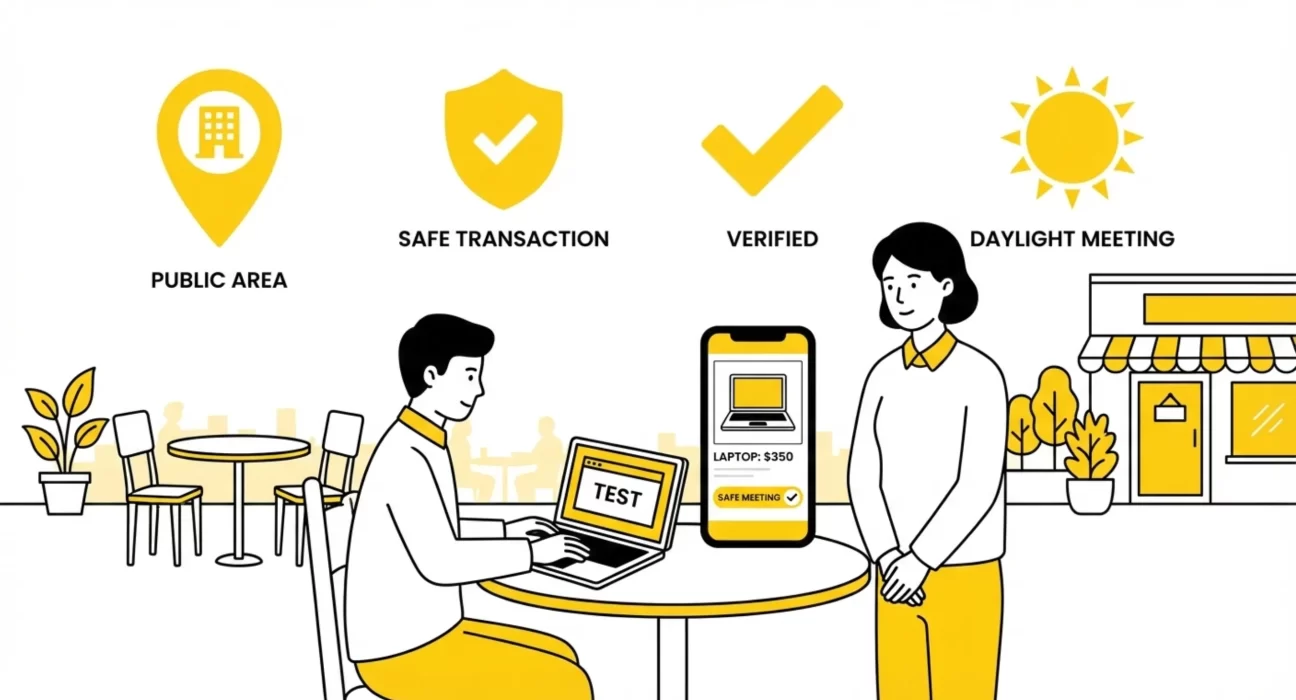
You found a laptop listing that looks perfect. The price is fair, the photos show good condition, and the seller responds quickly to your messages. You arrange to meet. The location they suggest is unfamiliar, quite far from the main roads. They want full payment upfront before you can properly test the device. Something feels off, but you’re not sure if you’re being overly cautious or genuinely sensing a problem. This uncertainty is common when buying from strangers. Most local sellers are honest people simply trying to sell items they no longer need. But without basic safety practices, you expose yourself to unnecessary risk from scams to personal safety concerns.
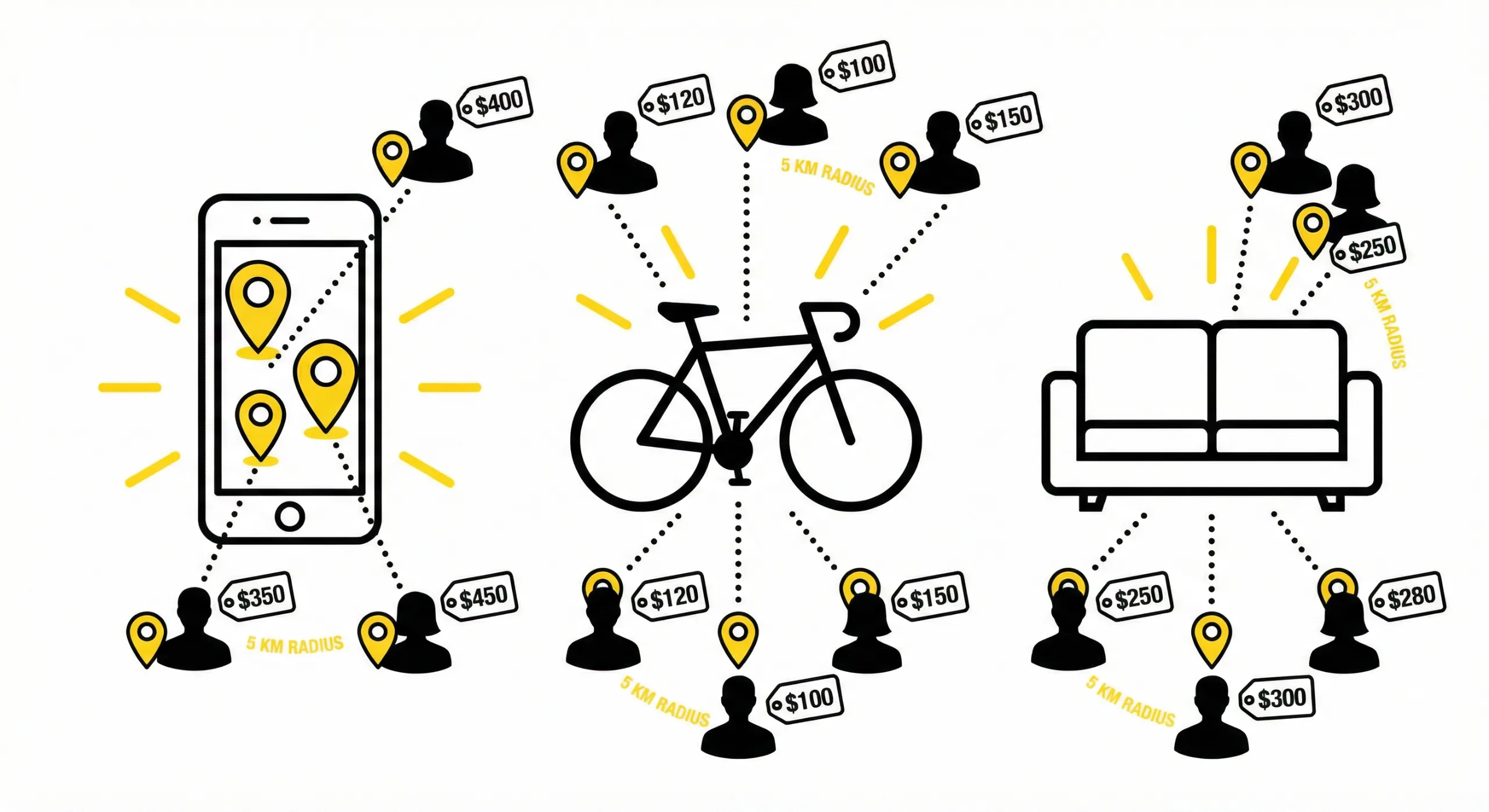
The challenge isn’t avoiding local buying altogether. It’s knowing how to do it safely so you can enjoy the benefits of better prices, immediate availability, and the ability to inspect items before buying without the worry. When you buy and sell locally through simple classifieds like Sympl, direct transactions with local buyers and sellers are straightforward. You just need to follow some practical safety guidelines that protect you without making the process complicated.
Why Safety Concerns Stop People From Buying Locally
The main hesitation is fear of the unknown. Meeting strangers from the internet feels risky, especially if you’ve heard stories about scams or uncomfortable situations. This fear is valid but often overblown. Another issue is that people don’t know what precautions to take. Without clear guidelines, they either avoid local buying entirely or proceed without proper care. Some buyers also worry about getting scammed, receiving broken items, counterfeit products, or being pressured into buying something that doesn’t match the description.
In India, where most people prefer cash transactions and face-to-face dealings, these concerns are real but manageable. The solution isn’t avoiding local transactions but approaching them with common sense and simple safety practices. Most problems can be prevented by following a few straightforward rules.
Basic Safety Rules for Meeting Sellers
These guidelines apply to almost every local purchase.
Meet in public places
Coffee shops, shopping mall parking lots, metro stations, or busy markets. Public locations with people around provide natural safety and accountability.
Choose daytime meetings
Meeting during daylight hours in familiar areas is safer and more comfortable for both parties.
Bring someone along if possible
A friend or family member accompanying you adds security and provides a second opinion on the item.
Tell someone where you’re going
Share the meeting location and seller’s contact details with a friend or family member. Let them know when you expect to return.
Trust your instincts
If something feels wrong, the location is too isolated, the seller seems evasive, or you just feel uncomfortable it’s okay to cancel and walk away.
Keep your phone charged and accessible
You should be able to call for help or look up information if needed. These aren’t complicated precautions. They’re simple practices that significantly reduce risk while keeping the buying process easy.
Verifying Sellers Before Meeting
A bit of preliminary checking prevents wasted trips and identifies potential problems.
Review their communication style
Do they answer questions clearly? Are they patient with your inquiries? Evasive or aggressive responses are warning signs.
Check how long the listing has been up
Very new accounts with multiple high-value items might be dealers or scammers. Established listings from individual sellers are generally safer.
Ask for additional photos or videos
Request specific angles or the item turned on/working. Honest sellers have no problem providing these. Scammers often can’t.
Search the photos online
Sometimes scammers use stock images from other websites. A reverse image search can reveal if the photos are stolen.
Verify contact information
Legitimate sellers usually have proper phone numbers and respond consistently across different communication channels.
Look for realistic pricing
If the deal seems too good to be true, it probably is. Extremely low prices can signal stolen goods or scams. When you buy and sell locally, these checks are easy because you’re dealing with people in your own city. Local accountability naturally encourages honesty.
Questions to Ask Before Committing
The right questions help you assess both the item and the seller’s credibility.
Why are you selling?
Genuine reasons like upgrading, moving, or no longer needing the item are reassuring. Vague or changing explanations are concerning.
Where did you buy it originally?
Knowing the original purchase location and having proof adds legitimacy, especially for electronics or branded items.
Can you demonstrate it working?
For electronics, appliances, or anything with functionality, the seller should be willing to show you it works during the meeting.
What’s your preferred meeting location?
If they insist on their home or a very specific isolated location without flexibility, that’s a red flag.
Do you have the original bill or box?
Not essential for all items, but having these increases trustworthiness and helps verify authenticity.
Are you the original owner?
If they’re selling on behalf of someone else, ask why. Multiple levels of separation can indicate stolen goods. Honest sellers appreciate thorough questions. It shows you’re a serious buyer, not a time-waster.
Inspecting Items Thoroughly Before Paying
Never hand over money without properly checking what you’re buying.
For electronics (phones, laptops, tablets):
Turn it on, check all features, test the battery, examine the screen for cracks, verify all ports work, check that it’s not locked to any account.
For bikes and scooters:
Take a test ride, check for unusual sounds, examine the brakes and lights, look at tire condition, verify document authenticity.
For furniture:
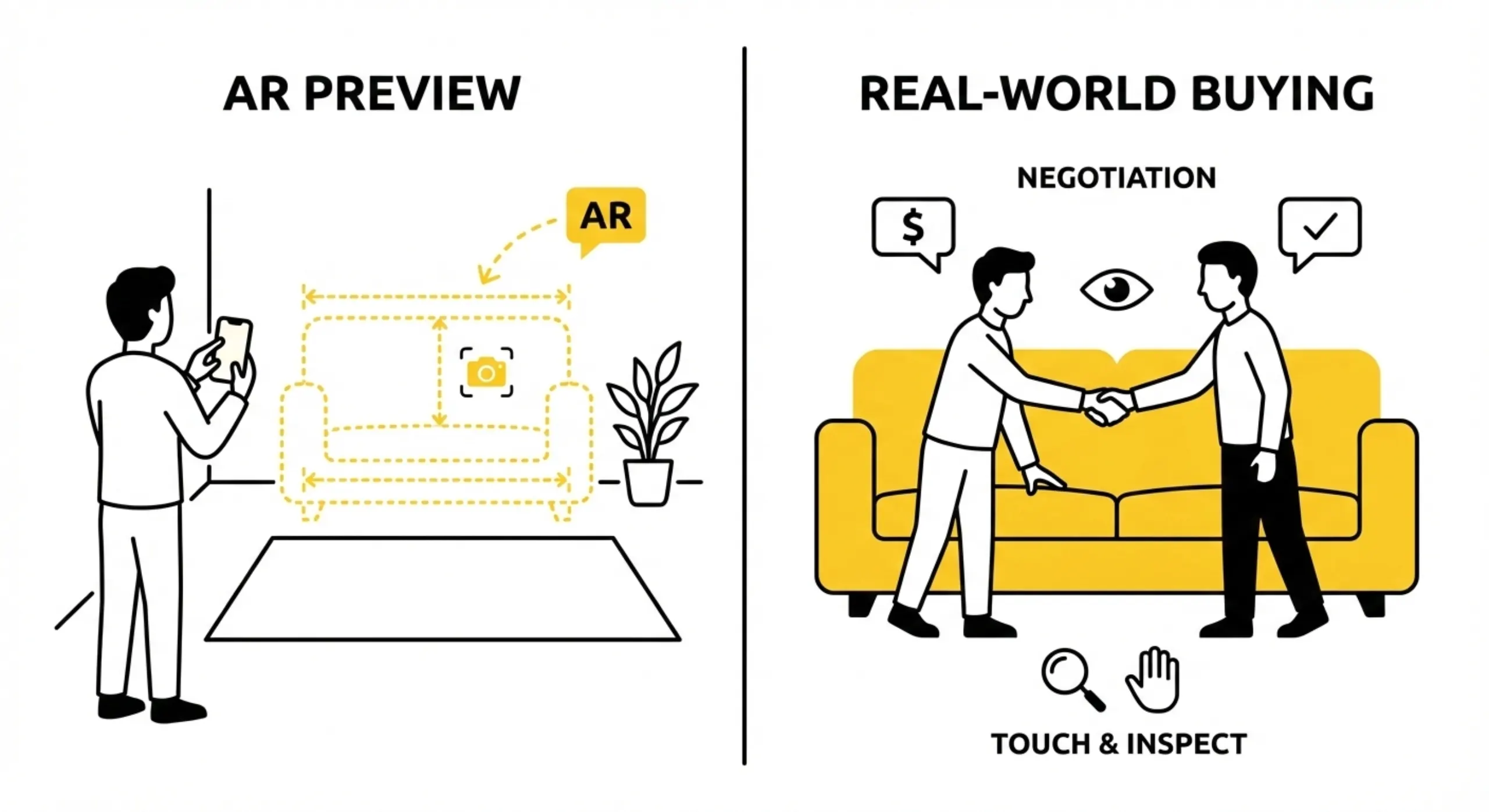
Check stability, look for hidden damage or stains, ensure all parts are included, verify dimensions match your needs.
For appliances:
Ask to plug it in and see it working, check for strange noises or smells, look for signs of damage or repair.
For books and study materials:
Flip through pages looking for damage, excessive highlighting, or missing sections. Take your time. Don’t feel rushed. A seller pressuring you to decide quickly without proper inspection is a warning sign. The advantage of buying locally is precisely this ability to inspect before committing. Use it.
Payment Safety Practices
How you pay matters as much as what you buy.
Bring exact change when possible
Avoid carrying large amounts of cash beyond what you need. This reduces risk if something goes wrong.
Use digital payments when appropriate
UPI, bank transfers, or other digital methods create transaction records. Some sellers prefer these as well.
Never pay full amount upfront
For expensive items, consider a small advance only after thorough inspection, with the balance paid upon final delivery or completion.
Get a receipt or proof of purchase
Even a simple written acknowledgment with both parties’ names, item description, amount paid, and date helps if disputes arise later.
Verify digital payment details carefully
Double-check the recipient’s number or UPI ID before sending money. Scammers sometimes provide fake payment details.
Count cash carefully
If using cash, count in front of the seller and verify the amount before handing it over. Local transactions typically use cash or immediate digital payments. Both work fine when handled carefully.
Red Flags That Should Make You Walk Away
Some situations aren’t worth the risk, no matter how good the deal seems.
Seller refuses to meet in public
If they insist on meeting at their home in an isolated area or won’t consider public locations, decline.
Pressure to decide immediately. “I have another buyer coming in an hour” might be true, but it’s also a classic pressure tactic. Don’t let it rush you into a bad decision.
Item doesn’t match the description or photos
If what you see differs significantly from what was advertised, you’re being misled.
Seller becomes aggressive or defensive
Honest sellers remain calm and patient. Aggression or defensiveness when you ask reasonable questions is concerning.
They want payment before you see the item
Never pay for something you haven’t inspected. This is a common scam.
Documents seem fake or altered
For vehicles or expensive electronics, fake bills or registration documents indicate stolen goods.
Your gut tells you something’s wrong
Even if you can’t identify what exactly, if you feel unsafe or uncomfortable, trust that feeling and leave. Walking away from a suspicious deal isn’t being paranoid. It’s being smart.
How Local Buying Through Classifieds Adds Safety
When you buy and sell locally through simple platforms, several factors work in your favor.
Local accountability
Sellers know they’re dealing with people in their own city. There’s natural pressure to be honest because reputation matters in communities.
Direct communication
Talking directly with sellers helps you assess their credibility. You can ask questions, gauge responses, and build or lose trust through conversation.
Meeting in familiar territory
Buying locally means meeting in areas you know. You can choose comfortable, safe public locations.
Quick verification
If something seems off, you can walk away immediately. Unlike online purchases where you’ve already paid, local buying lets you verify before committing.
Community patterns
Over time, you learn which neighborhoods or types of sellers are more reliable. This local knowledge builds with experience. Platforms like Sympl facilitate these safe local connections by keeping things straightforward connecting nearby buyers and sellers without complicated verification systems that create false security.
Special Considerations for High-Value Items
Expensive purchases need extra caution.
Verify authenticity thoroughly
For branded electronics, bikes, or other valuable items, check serial numbers, original packaging, and authenticity markers.
Consider meeting at authorized service centers
For phones or laptops, some buyers and sellers meet at brand service centers where staff can verify the device’s authenticity and condition.
Get everything in writing
A simple agreement noting the item, price, condition, and both parties’ contact details protects everyone.
Research the item beforehand
Know what to look for in terms of condition, common issues with that model, and fair market prices.
Take photos during inspection
Document the item’s condition at the time of purchase. This helps if any disputes arise later.
Verify ownership documents
For bikes, scooters, or vehicles, ensure all registration and insurance documents are genuine and in the seller’s name. High-value transactions justify the extra time spent on verification.
Teaching First-Time Buyers to Stay Safe
If you’re new to buying from local sellers, start carefully.
Begin with lower-value items
Your first few purchases could be books, small electronics, or household items. Build confidence before tackling expensive transactions.
Go with experienced friends
Having someone who’s bought locally before can guide you through the process and help spot warning signs.
Stick to busy public locations
Until you’re comfortable, avoid any meeting locations that aren’t clearly public and busy.
Ask lots of questions
Don’t worry about seeming overly cautious. Honest sellers understand that buyers need to feel safe.
Take your time
Don’t rush into any purchase. If you need to think about it or want to check other options, that’s perfectly fine. Low-cost buying works best when you feel secure in the process. Building that security comes through gradual experience.
Cost and Time Benefits of Safe Local Buying
Following safety practices doesn’t make buying locally complicated or time-consuming. Meeting in public places takes no extra time compared to meeting at someone’s home. You’re just choosing a different location. Asking verification questions happens during the same conversation where you’d discuss the item anyway.Bringing a friend along can actually make the process more enjoyable and give you a second opinion on whether the purchase makes sense. The time you invest in safety measures is minimal compared to the money you save buying locally: no shipping fees, no platform commissions, better prices through direct negotiation. And the peace of mind from knowing you’ve taken reasonable precautions is valuable in itself.
Who Benefits Most From Safe Local Buying Practices
First-time buyers
People new to local transactions especially need clear safety guidelines. Following these practices builds confidence and prevents bad experiences that might discourage future buying.
Students
Young buyers often have limited experience with online transactions. Safe practices protect them while they take advantage of budget-friendly local deals on textbooks, electronics, and furniture.
Families
Parents buying items for children want to ensure they’re dealing with trustworthy sellers and getting safe, quality products.
Working professionals
Busy people appreciate straightforward safety measures that don’t require extensive time or effort but provide adequate protection.
Senior citizens
Older buyers benefit from simple, clear safety rules that help them engage in local buying without fear or confusion.
Why Sympl Classifieds Support Safer Transactions
Complex platforms create a false sense of security through badges, ratings, and verification systems that can be manipulated. When you buy and sell locally through straightforward classifieds like Sympl, safety comes from the fundamental structure of local transactions: direct communication, in-person inspection, and community accountability. You’re not trusting an algorithm or a verification badge. You’re using your own judgment, inspecting items yourself, and meeting in safe public places.
his simpler approach actually provides better protection because you’re actively engaged in ensuring your own safety rather than passively trusting a platform’s verification. Buying safely from local sellers isn’t complicated. It requires common sense, basic precautions, and trusting your instincts. style=”font-weight: 400;”>Meet in public places during daytime. Verify the seller through questions and communication. Inspect items thoroughly before paying. Use secure payment methods. Walk away from anything that feels wrong. These simple practices let you enjoy the benefits of local buying at better prices, immediate availability, direct negotiation without unnecessary risk.
When you buy and sell locally through platforms like Sympl, you’re engaging in transactions built on local accountability and direct interaction. Add basic safety measures to this foundation, and you have a buying approach that’s both economical and secure. Most local sellers are honest people like you, just trying to sell items they no longer need. Following these safety practices protects you on the rare occasions when something isn’t right, while making the vast majority of your local purchases smooth, safe, and satisfying.