
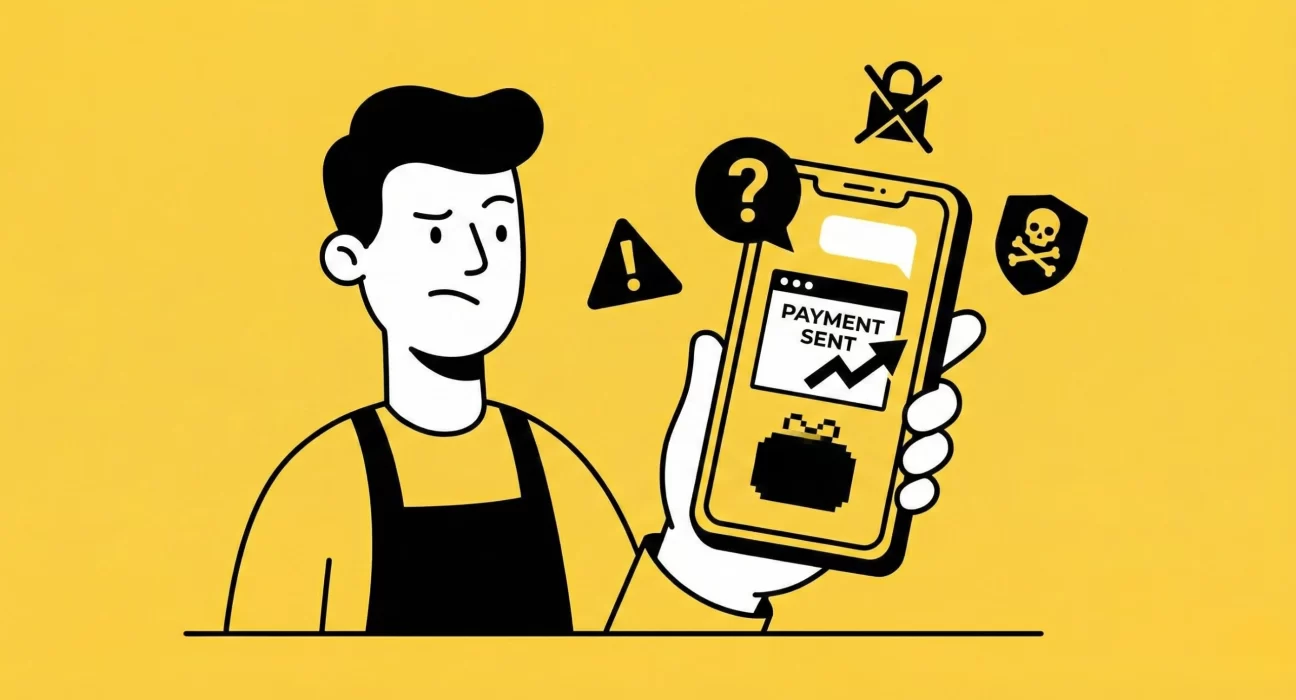
You’ve listed your old laptop online. Someone messages immediately, offering full price. They ask you to ship it first, promising payment later. Something feels off, but you’re not sure.
Or maybe you’re buying a bike. The seller keeps pushing you to transfer money before you’ve even seen it. They have excuses for why you can’t meet in person.
These situations happen more often than they should. And they make people hesitant to buy and sell locally, even when they genuinely need to.
The problem isn’t online marketplaces themselves. It’s that many platforms have made safety feel complicated, requiring verifications, background checks, and features that sound reassuring but don’t actually protect you in practical ways.
What actually keeps you safe is simpler: common sense, local interactions, and knowing what red flags to watch for.
Why Safety Concerns Stop People from Selling Items Fast
Most people have something lying around they’d like to sell. An old phone. Unused furniture. A bike they’ve outgrown.
But the moment they think about listing it online, doubts creep in.
What if someone scams me? What if they don’t show up after I’ve waited? What if they pay with fake money? What if they’re not who they say they are?
These aren’t unreasonable concerns. Scams do happen. But they’re far less common in local transactions than people think, especially when you know what to look for.
The real issue is that complicated platforms make safety feel like a technical problem requiring technical solutions. Verification badges. Escrow systems. Insurance policies.
For everyday buying and selling, this is overkill. Most transactions are straightforward. Two people. One item. A fair price. Done.
Common Scams in Online Buying and Selling
Let’s be clear about what actually happens, so you know what to avoid.
Advance payment scams
Someone offers to buy your item but asks you to ship it first. They’ll pay once it arrives, they say. You ship it. They disappear.
Fake payment confirmations
A buyer shows you a fake screenshot of a payment. You hand over the item. Later, you realise no money came through.
Too-good-to-be-true offers
You’re selling a phone for ₹10,000. Someone offers ₹15,000 without even seeing it. There’s always a catch they’ll ask for personal details, request shipping, or try to scam you in some other way.
Courier scams
A “buyer” asks you to use a specific courier service they’ll arrange. The courier is fake. You lose both the item and the money.
No-show buyers
Someone confirms a meeting time and place. You wait. They never show up. They waste your time, then ghost you.
Lowball switch
A buyer agrees to your price. When they show up, they suddenly offer half the amount, hoping you’ll accept because you’ve already invested time.
These scams work because they prey on trust or urgency. But they’re easy to avoid once you know the patterns.
How Local Buying and Selling Reduces Risk
Here’s something important: most scams rely on distance.
When you’re dealing with someone in another city, you can’t meet them. You can’t verify the item. You’re forced into shipping, advance payments, and trusting strangers you’ll never see.
When you buy and sell locally, most of these risks disappear.
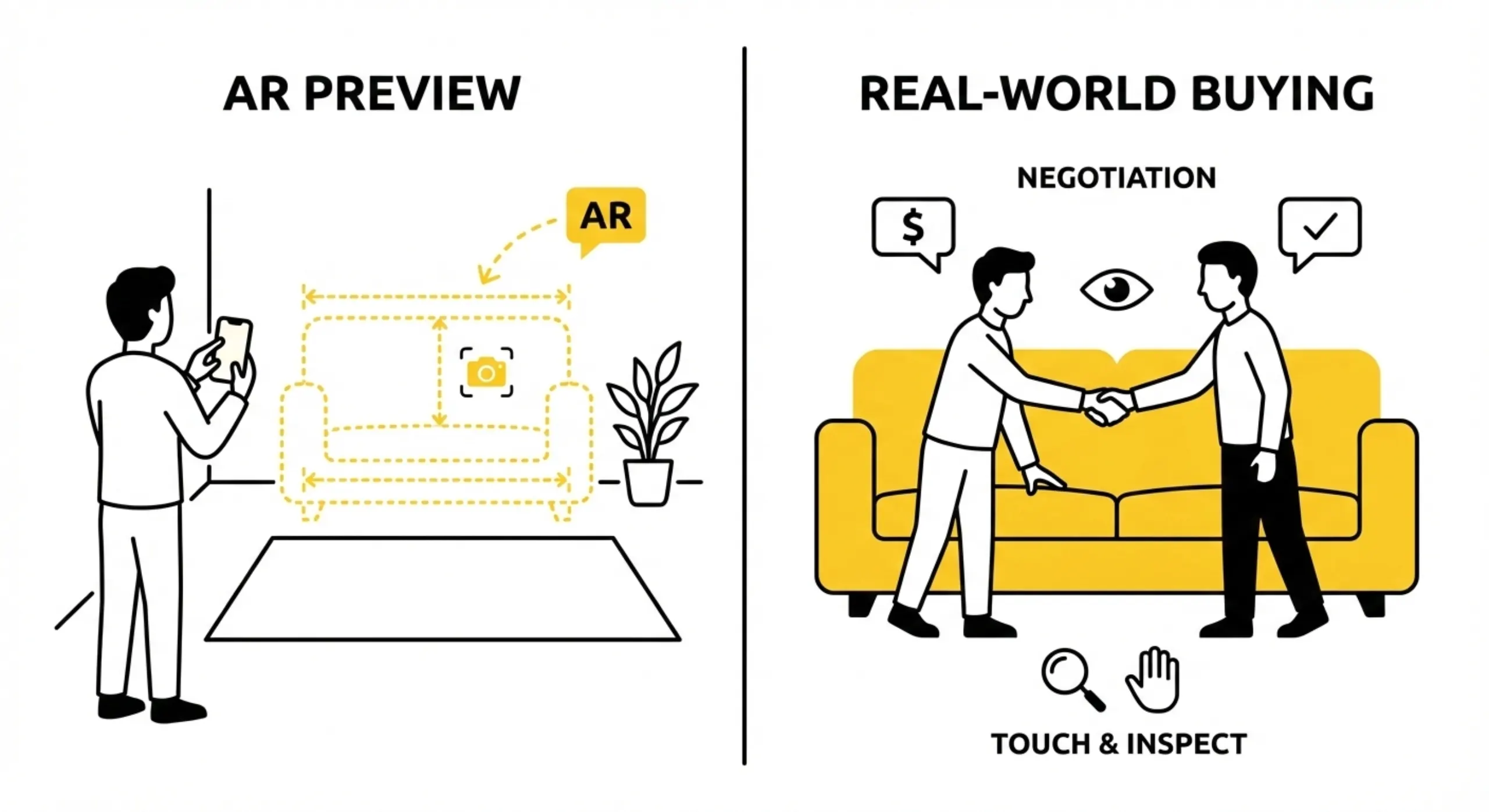
You meet in person
This single factor eliminates the majority of scams. If someone won’t meet you face-to-face, that’s a red flag.
You inspect before paying
Buying a fridge? See it running. Buying a bike? Test ride it. No guesswork. No surprises.
Cash or instant UPI
You don’t need to wait for payments to clear or worry about fake confirmations. The transaction happens right there.
Local accountability
When someone knows you’re in the same city or neighbourhood, they’re far less likely to pull a scam. There’s a social cost they can’t ignore.
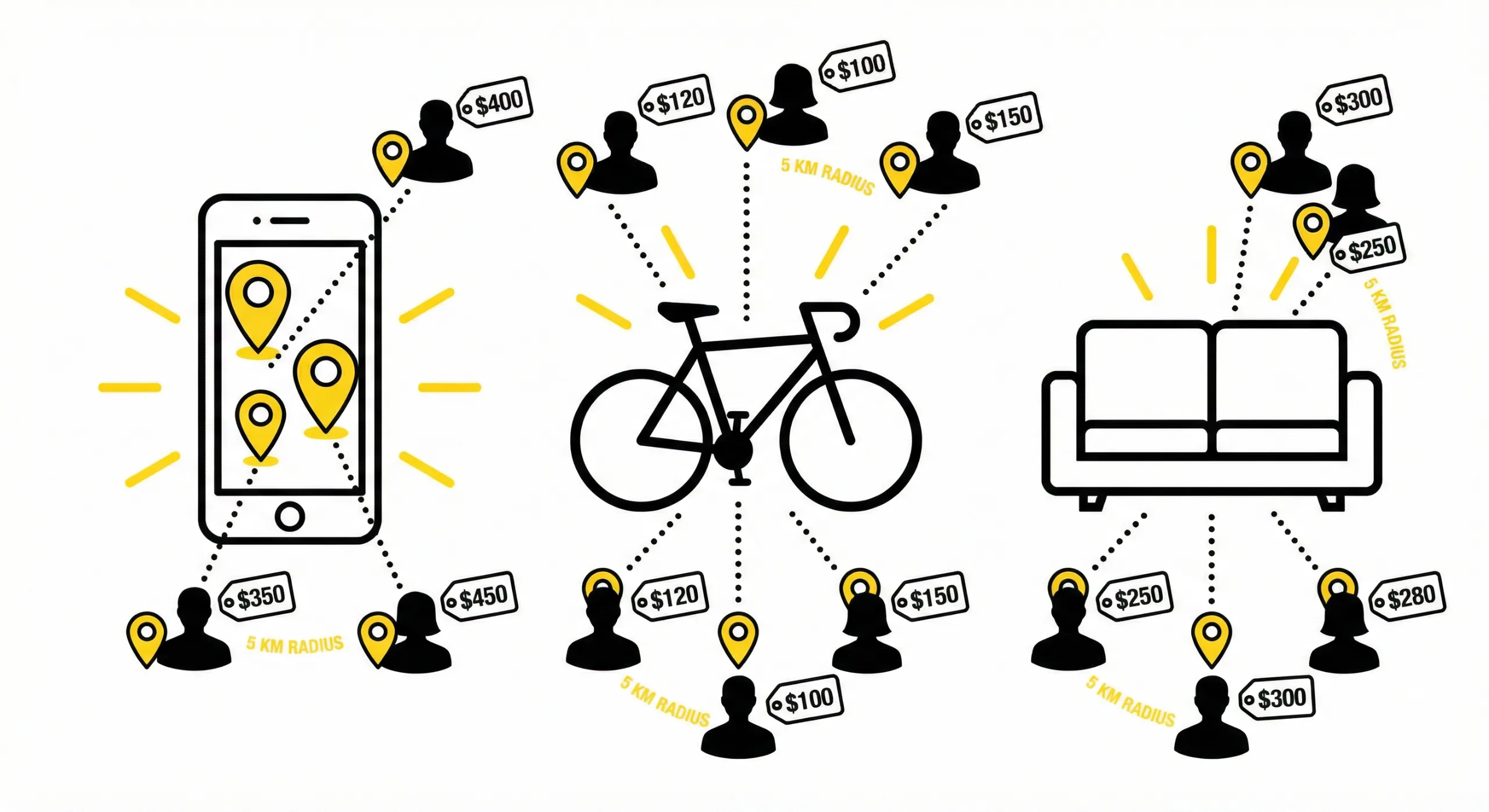
Sympl classifieds that focus on local buyers and sellers naturally create safer environments not through complex verification systems, but through proximity and direct interaction.
Practical Steps to Stay Safe When Selling Items
You don’t need a platform to protect you. You need to protect yourself. Here’s how.
Meet in public places
Coffee shops. Mall parking lots. Bank ATMs. Anywhere with people around. Avoid meeting at your home or theirs, especially for the first transaction.
Bring someone along
For high-value items like bikes or electronics, take a friend. It’s a simple deterrent and makes you feel more comfortable.
Verify payment before handing over the item
If they’re paying via UPI, wait for the confirmation message from your bank. Don’t rely on screenshots or their word.
Trust your instinct
If someone’s behaviour feels too odd, too eager, too pushy, evasive about details—walk away. You’re not obligated to complete any deal.
Don’t share unnecessary personal information
Your phone number for coordination is fine. Your home address, bank details, or Aadhaar number? Never.
Avoid advance payments
If someone can’t meet you in person and wants you to ship the item, reconsider. For local deals, there’s no reason you can’t meet.
Communicate clearly
Set expectations upfront: meeting place, time, and payment method. If they keep changing terms, that’s a warning sign.
Practical Steps to Stay Safe When Buying Items
The same principles apply, with a few buyer-specific tips.
Ask questions before meeting
Why are they selling? How long have they owned it? Any issues? Honest sellers give straightforward answers.
Check the item thoroughly
Don’t rush. If you’re buying a laptop, open it, check the ports, and test the battery. If you’re buying furniture, inspect it for damage.
Negotiate respectfully
Lowballing is fine if done politely. But if you’ve agreed on a price, don’t show up and suddenly offer less. That’s dishonest and wastes everyone’s time.
Pay only after you’re satisfied
Never transfer money before seeing the item. If a seller insists on this, end the conversation.
Meet in daylight
Evening or night meetings in isolated areas are risky. Stick to daylight hours in familiar locations.
Report suspicious behaviour
If someone tries to scam you, report their profile on the platform. It helps protect others.
What Verification Actually Means
Many platforms offer “verified” badges or profiles. Here’s what that usually involves.
A verified phone number means the person owns that number. It doesn’t mean they’re trustworthy.
A verified email means they have access to that email. It doesn’t guarantee honesty.
ID verification means they submitted a document. It doesn’t tell you if they’re a serial scammer with a real ID.
Verification can help filter out completely fake profiles. But it’s not a substitute for common sense.
In local buying and selling, the best verification is meeting the person. Seeing the item. Completing the deal face-to-face.
Platforms that focus on connecting local buyers and sellers don’t need heavy verification layers. Proximity and transparency do most of the work.
How to Spot Red Flags Early
Most scams reveal themselves if you’re paying attention.
Too eager without asking questions
Genuine buyers ask about condition, usage, and price flexibility. Scammers just say “I’ll take it” immediately.
Reluctance to meet in person
If someone has endless excuses for why they can’t meet locally, they’re probably not local or not genuine.
Pressure tactics
“I need this urgently.” “I have another buyer lined up.” “Send it today or I’ll buy elsewhere.” Real buyers don’t operate this way.
Unusual payment requests
Asking you to use a specific app you’ve never heard of. Requesting gift cards. Wanting you to pay a “verification fee.” All scams.
Vague communication
Generic responses. Avoiding specific questions. Copy-paste messages. These suggest the person isn’t genuinely interested or is running multiple scams simultaneously.
Deals that seem too good
If someone’s offering way above market price or selling far below it without a clear reason, question it.
Trust your instinct. If something feels wrong, it probably is.
The Role of Direct Communication in Building Trust
Here’s what platforms often miss: trust builds through conversation.
When you message a seller or buyer directly, you get a sense of who they are. Their tone. Their responsiveness. Their willingness to answer questions.
This isn’t something an algorithm or verification badge can replicate.
In Sympl classifieds, you’re not filtered through automated systems or chatbots. You talk to the actual person. You negotiate. You agree on terms. You decide whether to proceed.
This direct interaction naturally weeds out most bad actors. Scammers don’t want extended conversations. They want quick, impersonal transactions they can scale.
When you buy and sell locally with clear communication, you’re already doing the most effective form of verification.
Why Low-Cost Buying Depends on Safe Transactions
Safety and affordability are connected.
When buyers feel unsafe, they avoid second-hand items altogether and buy new. That’s more expensive.
When sellers feel unsafe, they stop listing items or inflate prices to account for risk. That’s also more expensive.
Platforms that make safety simple not complicated encourage more people to participate. More sellers means more options. More buyers means faster sales. Everyone benefits.
Local classifieds that prioritise straightforward safety measures (meet in person, inspect before buying, pay on the spot) create environments where low-cost buying actually works.
Who Benefits Most from Simple Safety Practices
First-time sellers
People who’ve never sold online are often the most worried about scams. Simple, practical safety tips help them get started without fear.
Students
Buying and selling books, gadgets, and furniture on tight budgets. They need straightforward ways to stay safe without overthinking.
Families
Selling kids’ items, appliances, or furniture. They want safe transactions but don’t have time for complex verification processes.
Working professionals
Relocating frequently and needing to sell items quickly. They value efficiency and safety in equal measure.
Senior citizens
Less familiar with online platforms. Clear, simple safety guidelines make them feel comfortable participating.
What to Do If You Encounter a Scam
Despite precautions, you might run into suspicious behaviour. Here’s how to handle it.
Stop the transaction immediately
If something feels off mid-deal, walk away. You don’t owe anyone an explanation.
Don’t engage further
Scammers sometimes get aggressive when their tactics fail. Block them and move on.
Report on the platform
Most classifieds have a report function. Use it. Your report might prevent someone else from being scammed.
Share with your network
If a scam attempt was particularly clever, mention it to friends or family who also buy and sell online. Awareness helps everyone.
Don’t blame yourself
Even careful people get targeted. What matters is that you recognised it and avoided loss.
How Platforms Can Support Safety Without Overcomplicating It
The best platforms understand that safety isn’t about adding features. It’s about enabling good behaviour and discouraging bad behaviour.
Clear reporting tools
Make it easy to flag suspicious profiles or listings. Act on reports quickly.
Encourage local transactions
Default search results to show nearby listings. Make it obvious that meeting in person is the norm.
Provide simple safety guidelines
A short checklist: meet in public, verify payment, inspect items. That’s often enough.
Allow direct communication
Don’t force buyers and sellers through complicated messaging systems. Let them talk freely and build trust.
Display user feedback
Ratings and reviews from past transactions help others make informed decisions.
Platforms that focus on these basics create safer environments than those with elaborate verification systems that ultimately don’t prevent scams.
Building a Safer Community for Local Transactions
Safety improves when everyone participates responsibly.
If you’re selling, be honest about your item’s condition. If you’re buying, show up on time and pay what you agreed to.
If you encounter good sellers or buyers, leave positive feedback. If you see scams, report them.
The more people who treat local buying and selling as a community activity rather than anonymous transactions, the safer it becomes for everyone.
This isn’t idealistic. It’s practical. Communities self-regulate when members have visibility and accountability.
The Real Safety Net: Common Sense and Local Connections
Here’s the truth about online safety.
No platform can guarantee you’ll never encounter a dishonest person. Scammers exist everywhere, online and offline.
But when you buy and sell locally, you’re working with the same safety mechanisms humans have always used: meeting face-to-face, inspecting goods, and paying on the spot.
These aren’t outdated practices. They’re timeless because they work.
Platforms that respect this and build around it rather than trying to replace it with technology serve their users better.
Staying safe when you buy and sell locally isn’t about complex systems or verification layers. It’s about awareness, common sense, and choosing to deal with people nearby.
Meet in public. Inspect before paying. Trust your instinct. That’s the safety net you actually need.
The simpler the platform, the easier it is to focus on these fundamentals. And that’s when local buying and selling works the way it should safe, fast, and straightforward.