
You find a laptop listed online at a good price. You message the seller. They reply after a few hours. You ask about the condition. They respond the next day. You try to negotiate. Another day passes. By the time you’re ready to meet, either the seller has found another buyer, or you’ve lost interest and moved on. This back-and-forth is exhausting. And it’s not just a buyer problem. Sellers face the same issue. People enquire from different cities, ask endless questions, and then disappear because the distance doesn’t work out. When you buy and sell locally, this changes completely. The seller is in your neighbourhood. You can meet the same day. You see the item, pay, and the deal is done. No shipping delays, no courier issues, no uncertainty. Local connections aren’t just convenient. They’re the reason deals actually close instead of falling apart halfway.
The Core Problem: Distance Kills Momentum
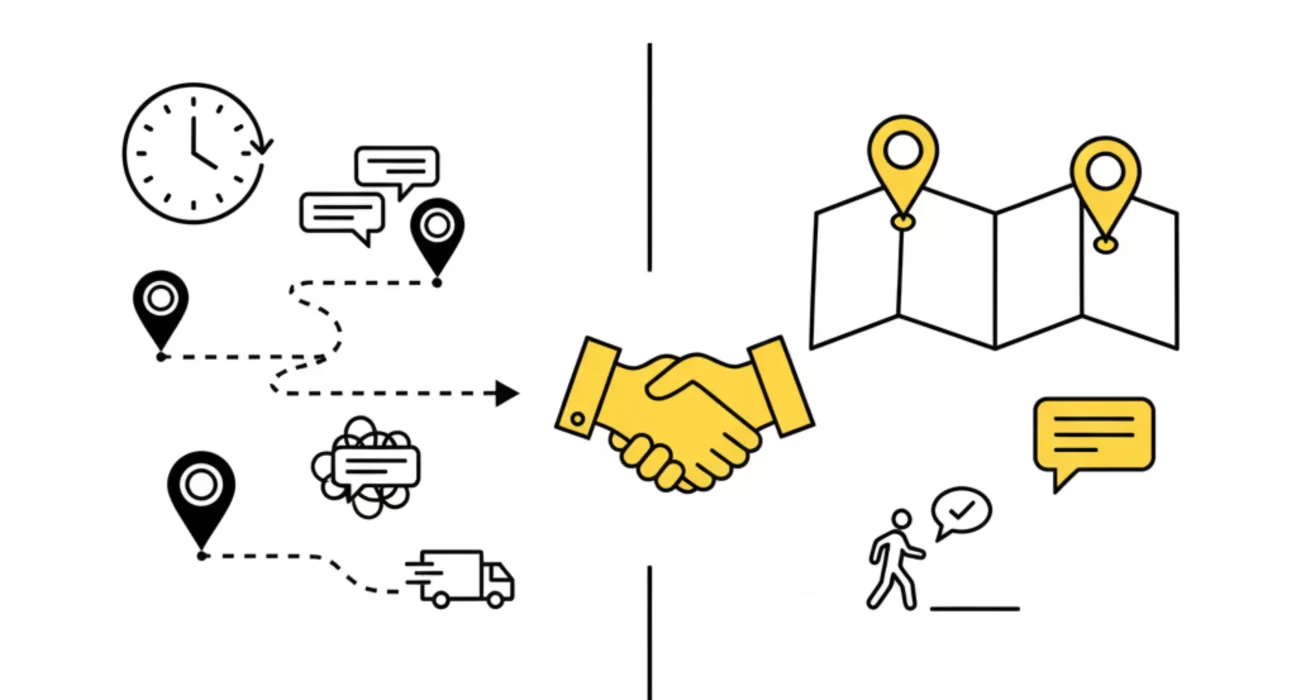
Most buying and selling platforms connect you with people across the entire city or even the country. That sounds good in theory. More buyers, more sellers, more options. But in practice, distance creates problems. A buyer in Bangalore sees your listing from Hyderabad. They’re interested, but they want detailed photos. They ask about courier charges. They want you to pack it properly and ship it. Some want you to accept online payment before dispatch. For a second-hand item like a study table or a washing machine, this level of coordination rarely works. One person gets busy. Communication slows down. The deal stalls. Even within the same city, long distances complicate things. If a buyer has to travel an hour to see your item, they’ll hesitate. They’ll ask more questions, delay the meeting, or expect a bigger discount to justify the trip. When buyers and sellers are nearby, none of this matters. The distance is manageable. Meeting doesn’t require planning an entire afternoon. The transaction happens quickly because logistics aren’t an issue.
Why Proximity Speeds Up Transactions
Faster communication
When someone knows you’re in the same area, conversations move differently. There’s less hesitation. Questions are more direct. Both parties know a meeting is realistic, so they focus on finalising details instead of testing the waters. You ask, “Can I see it today evening?” And the seller says yes. No lengthy negotiations about when, where, or how.
Easier to inspect items in person
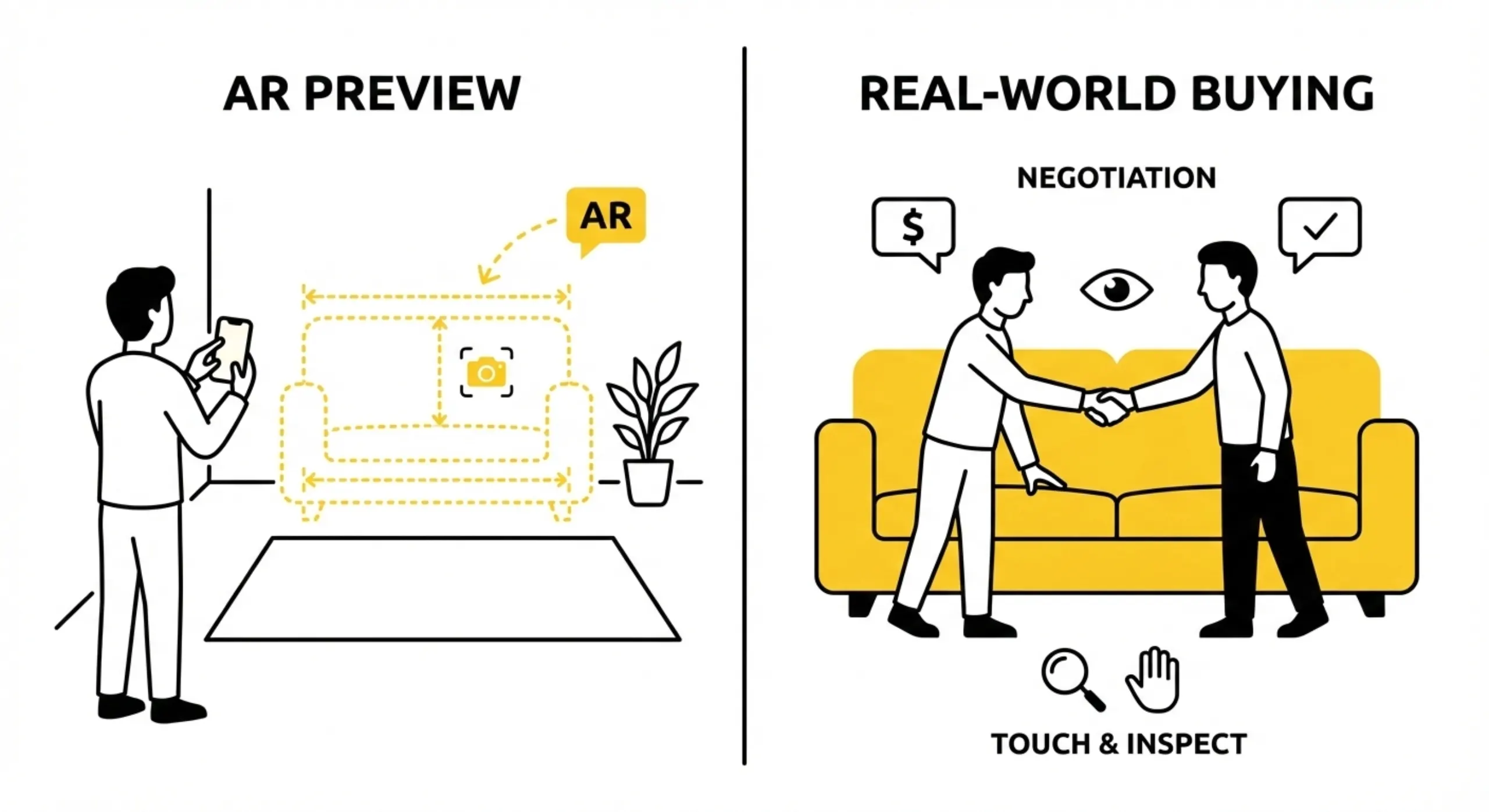
For most second-hand purchases, seeing the item matters. Photos help, but they don’t tell you everything. A phone might look fine in pictures but have a cracked screen edge that’s not visible. A sofa might be the right colour but too large for your room. When the seller is nearby, you just go, check, and decide. If it works, you buy it. If it doesn’t, you move on. No wasted time waiting for courier deliveries only to realise the item isn’t what you expected.
Immediate payment and handover
Local deals happen in person. You meet, inspect the item, pay in cash or UPI, and take it home. The entire process takes minutes. Compare that to online transactions involving shipping. You pay in advance, wait for dispatch, track the courier, hope it arrives undamaged, and deal with returns if something goes wrong. Even when everything goes smoothly, it takes days. For items like bikes, furniture, or appliances, local handover is the only practical option anyway. Shipping costs often exceed the item’s value.
How Local Classifieds Make This Process Smoother
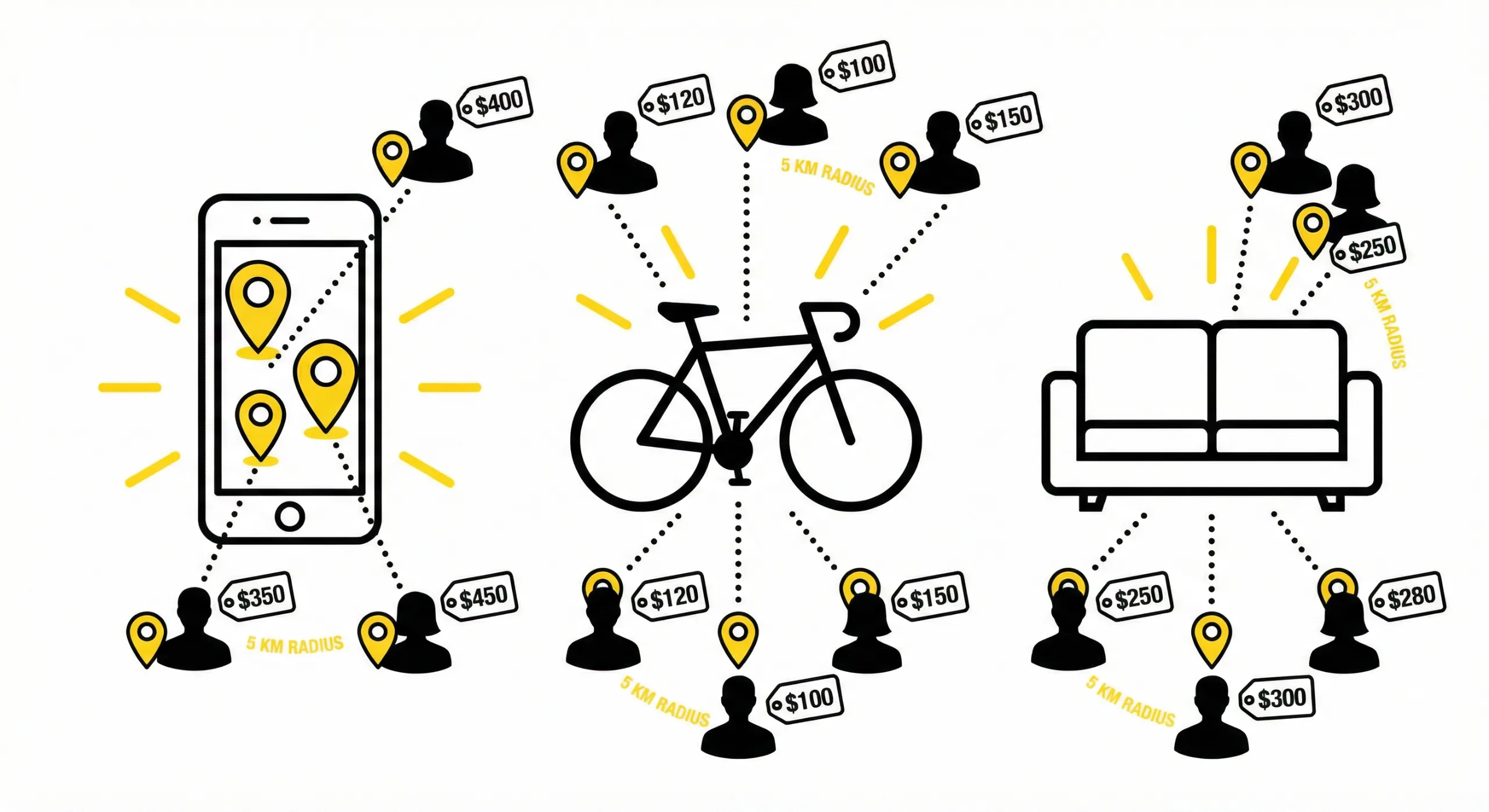
Platforms designed for local buying and selling prioritise proximity. When you list an item on Sympl or similar simple classifieds, buyers in your area see it first. This isn’t about fancy location algorithms. It’s just common sense. If you’re selling a fridge in Pune, someone in Pune is far more likely to buy it than someone in Delhi. Direct buyer–seller interaction also helps. You’re not going through customer support or dispute resolution teams. You talk to each other, agree on a meeting point, and close the deal. Fewer steps mean faster outcomes. And faster outcomes mean you actually sell items fast instead of letting them sit in storage for weeks.
Practical Advantages of Nearby Buyers and Sellers
You save on transport costs
If the buyer is ten minutes away, you don’t need to hire a tempo or pay for delivery. They can pick up the item themselves, or you can drop it off on your way somewhere. For bulky items like beds, cupboards, or gym equipment, this makes a huge difference. Long-distance transport would cost more than the item itself.
You avoid courier complications
Couriers lose packages. Items get damaged in transit. Payments get stuck. Returns take weeks to process. When you sell locally, none of this applies. The buyer sees the item, takes it, and pays you. There’s no middleman to mess things up.
You build trust faster
Meeting someone face-to-face changes the dynamic. You’re not just usernames on a screen. You can ask questions, clarify doubts, and get a sense of whether the deal feels right. Sellers can verify that the buyer is serious. Buyers can check that the item matches the description. This transparency reduces the chances of misunderstandings or disputes.
You close deals on your schedule
When the buyer is nearby, meeting doesn’t require elaborate planning. You can arrange to meet after work, on a weekend morning, or whenever suits both of you. With long-distance transactions, you’re tied to courier timings, payment processing delays, and delivery schedules. Local deals give you control over the timeline.
Real-Life Examples of How Local Connections Work
Selling a bike
You list your old bike on a local classifieds platform. A buyer from your neighbourhood messages you. You agree to meet at a nearby café the next evening. They check the bike, test the brakes, and buy it on the spot. Total time from listing to sale: less than two days. If the buyer was from another city, you’d be coordinating transport, discussing courier options, or giving up entirely.
Buying furniture
You’re looking for a bookshelf. You find one listed by someone ten minutes away. You visit their home, see the shelf, realise it fits your space, and take it home the same day. If the seller was across the city, you’d spend hours travelling, only to find out the shelf doesn’t match your room’s dimensions.
Clearing out old appliances
You’re moving and need to sell a microwave and a mixer. You list them locally. A family nearby buys both items within a week. They pick them up themselves. You don’t spend a rupee on transport or packaging.If you’d relied on a platform with city-wide reach, you’d still be answering questions from people asking if you deliver to the other end of town.
Who Benefits Most from Local Connections
Students buying and selling near campus
Students need items quickly and cheaply. Textbooks, electronics, furniture for hostel rooms. When buyers and sellers are on the same campus or nearby, transactions happen fast. No waiting, no logistics.
Families clearing out items during relocation
Moving homes means selling a lot of things quickly. Beds, tables, kitchen appliances, old electronics. Local buyers make this process manageable. You don’t have to coordinate with people across the city when you’re already busy packing.
Working professionals with limited time
If you’re working full-time, you can’t spend weekends travelling to meet buyers. Local connections mean quick meetings near your home or office. You sell items without disrupting your routine.
First-time buyers and sellers
Dealing with strangers online can feel risky. Meeting someone nearby feels safer. You’re in familiar territory. If something feels off, you can walk away easily.
Anyone selling bulky or heavy items
Sofas, refrigerators, washing machines, gym benches. These items are nearly impossible to ship. Local buyers are often the only realistic option. And when they’re nearby, the sale happens smoothly.
How to Make the Most of Local Selling
Mention your area clearly
Don’t just say “Bangalore” or “Mumbai.” Mention the specific neighbourhood or landmark. This helps nearby buyers find you faster.
Be flexible with meeting times
Local deals work because they’re convenient. If a buyer wants to meet in the evening or over the weekend, try to accommodate. The easier you make it, the faster you sell.
Choose public meeting spots
For smaller items, meet at a café, metro station, or park. This keeps things safe and neutral for both parties.
Respond quickly
When a local buyer messages you, reply as soon as you can. Delays give them time to find another seller. Quick responses keep the momentum going.
Price fairly for the local market
Check what similar items are selling for in your area. If your price is competitive, local buyers will reach out faster.
Cost and Time Savings with Local Transactions
Selling locally eliminates costs that pile up with long-distance transactions. You don’t pay for packaging materials. You don’t spend on courier services. You don’t waste money on failed deliveries or returns.Time-wise, local deals close in days, not weeks. You list the item, a nearby buyer contacts you, you meet, and it’s done. No endless waiting or uncertainty. For buyers, the savings are similar. You don’t pay inflated prices that include shipping costs. You don’t wait for delivery. You see the item in person before committing, which means fewer regrets or returns.
conclusion
Distance complicates buying and selling. Logistics, delays, miscommunication, failed deals all of these problems multiply when buyers and sellers are far apart. Local connections solve this naturally. When both parties are nearby, deals happen faster, smoother, and with less hassle. Platforms like Sympl that focus on local buying and selling make this even easier. You’re not wading through listings from across the country. You’re connecting with people in your area who can meet quickly and close the deal. For anyone trying to sell items fast or find low-cost buying options nearby, local classifieds aren’t just convenient. They’re the most practical way to get things done without unnecessary complications.