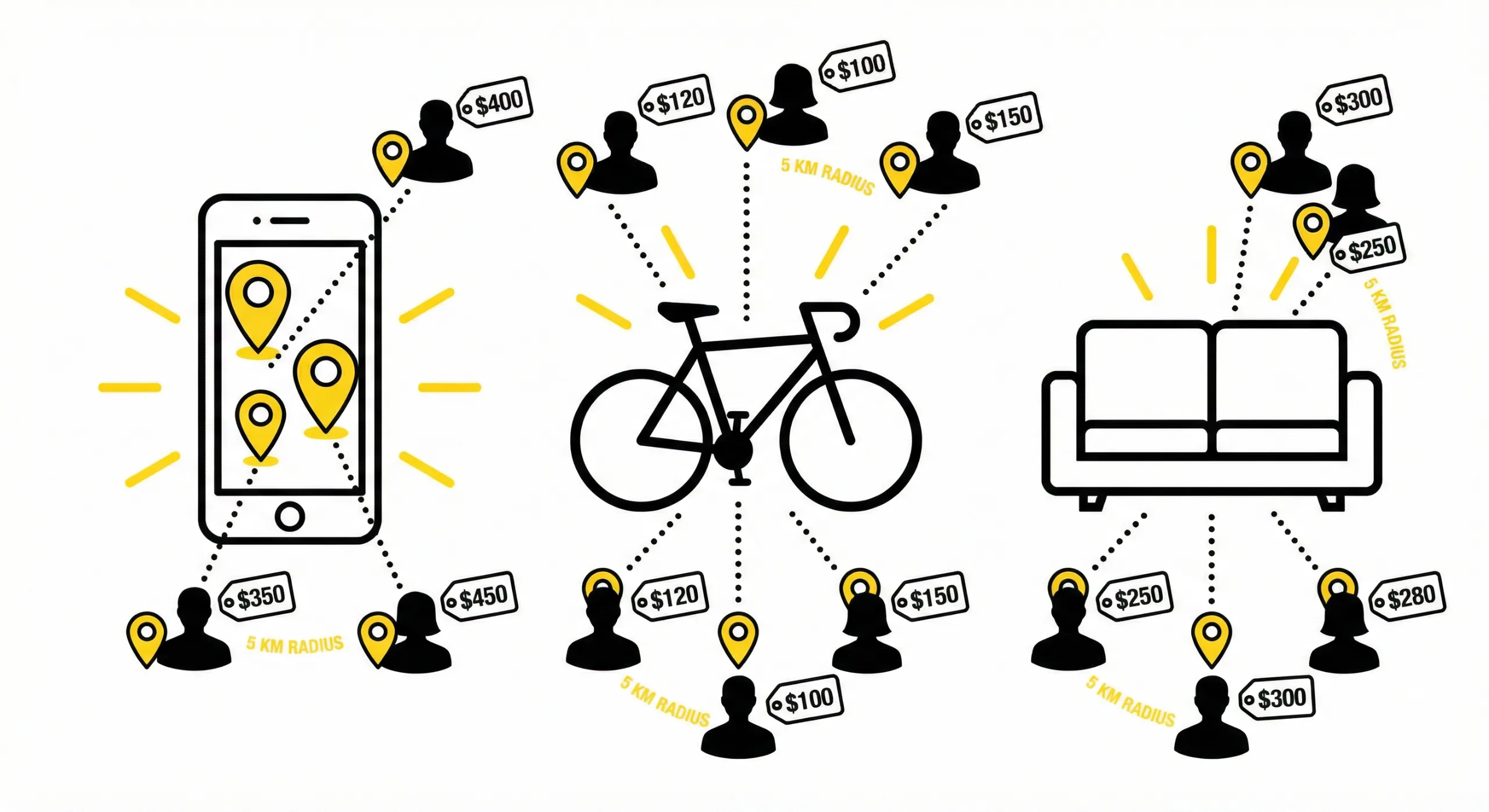


You’ve listed your old phone at what you think is a fair price. Within hours, you get messages: “Half price dega?” “Final price bata do.” “Last price?”You’re confused. Should you drop the price to get it sold faster? Or hold firm and wait for a serious buyer?
You reduce it by 20%. The messages keep coming, but no one’s buying. You drop it again. Still nothing. Here’s the truth: lowering your price doesn’t always lead to faster sales. Sometimes it just attracts more bargain hunters who still won’t buy. Other times, it signals that something’s wrong with the item.When you buy and sell locally through simple classifieds like Sympl, you get better feedback on whether your pricing is the issue or if you just need to wait for the right buyer. Local buyers are more transparent, and you can adjust based on real interactions, not guesswork.
Why Pricing Decisions Feel So Confusing
On big platforms, you’re competing with hundreds of similar listings. Some sellers price too high out of hope. Others price too low out of desperation. You have no idea where you stand. When inquiries come in but don’t convert to sales, you assume the price is the problem. So you drop it. Then you drop it again. Before you know it, you’re selling at half of what the item is actually worth. But often, the real issue isn’t the price. It’s the quality of inquiries you’re getting. National marketplaces attract casual browsers, lowball artists, and people who message dozens of sellers without any real intent to buy. They’ll negotiate even if your price is already rock-bottom. When you sell locally, the dynamic is different. Buyers who can actually see the item and pick it up are more serious. They understand the local market and have realistic expectations. This helps you make smarter decisions about when to adjust your price and when to stay firm.
When You Should Reduce Your Price
Your listing has been up for over two weeks with no genuine interest
If you’ve had your item listed locally for two weeks and barely anyone has messaged you—or the few who did weren’t serious – it’s a signal. Either your price is too high for the local market, or your listing isn’t reaching the right people. Check what similar items are selling for in your area. If your phone, bike, or sofa is priced noticeably higher than comparable listings, a price adjustment makes sense. Reducing it by 10-15% can attract buyers who were on the fence.
The item has visible wear or damage you didn’t account for
You listed your laptop thinking it’s in great condition. But when buyers come to inspect it, they notice scratches, a worn keyboard, or a battery that drains fast. If multiple buyers point out the same issues and walk away, your pricing doesn’t match the actual condition. Lower the price to reflect what buyers are seeing. Honesty speeds up the sale.
You’re in a time crunch and need to sell fast
Moving cities next week? Clearing out your flat before a lease ends? Sometimes urgency is the deciding factor. If you genuinely need to sell items fast and don’t have time to wait for the perfect buyer, a small price drop can push hesitant buyers into action. Just don’t panic and slash prices drastically. A 10-20% reduction is usually enough if the original price was fair.
Local market rates have shifted
Markets change. A phone model that was in demand three months ago might have dropped in resale value because a new version launched. If you’re selling electronics, bikes, or appliances, check current local listings regularly. If the going rate has dropped, adjust accordingly. Platforms like Sympl make this easier because you’re seeing what other local buyers and sellers are actually transacting at, not inflated national averages.
When You Should Not Reduce Your Price
You’ve only had the listing up for a few days
Patience matters. If you listed your item on a Tuesday and by Thursday you’re getting anxious because it hasn’t sold, you’re moving too fast. Give it at least a week, especially if you’re using Sympl classifieds that focus on local connections. The right buyer might not check listings every single day. Dropping the price too soon signals desperation, and buyers will push for even lower offers.
You’re getting inquiries but only lowball offers
If people are messaging you regularly but all they’re saying is “half price?” or “lowest?”, that’s not a pricing problem – that’s a buyer quality problem. These are time-wasters who do this on every listing regardless of price. If you drop your price to satisfy them, they’ll just lowball again. Hold firm. Wait for buyers who ask about the item’s condition, when they can inspect it, or whether it’s still available. Those are serious buyers.
The item is in excellent condition and fairly priced
You’ve done your research. Your sofa, fridge, or bike is priced in line with or slightly below similar items in your area. It’s clean, functional, and well-maintained. Don’t reduce the price just because someone asked you to. Good-quality items sell at fair prices when you’re patient. The right buyer will see the value and pay what it’s worth.
You’ve only listed on one platform or channel
Sometimes the issue isn’t your price – it’s visibility. If you’ve only posted in one local group or on one platform, you might not be reaching enough buyers. Before dropping your price, try listing on a local classifieds platform like Sympl or sharing in a couple of neighbourhood groups. More visibility often solves the problem without needing a price cut.
Buyers are inspecting but not buying due to unrealistic expectations
Occasionally, buyers visit, inspect the item, and still don’t buy not because of the price, but because they’re comparing it to brand-new items. They want second-hand prices with new-item quality. That’s not realistic. If this keeps happening, the issue isn’t your pricing. It’s the buyers. Wait for someone who understands what “gently used” or “second-hand” actually means.
How to Price Smartly from the Start
Research what similar items are selling for locally
Before you list anything, check what similar items are going for in your area. Don’t just look at asking prices – try to see what’s actually selling. Platforms like Sympl give you a better sense of realistic local market rates because they’re focused on nearby transactions. Price your item within that range, maybe slightly below if you want it to move faster.
Be honest about condition in your listing
If there’s a scratch, a dent, or something that’s not working perfectly, mention it upfront. Buyers appreciate transparency. When they know what to expect, they’re more likely to accept your price without pushing for reductions.
Set a firm price initially, then adjust if needed
Start with what you believe is fair. Don’t price it artificially high with the expectation that you’ll negotiate down. If genuine buyers consistently tell you it’s overpriced, or if the item doesn’t move after a reasonable time, then adjust. But don’t drop your price every time someone sends a “lowest price?” message.
Use local feedback to guide adjustments
One advantage of selling locally is that you get direct feedback. If three buyers come to inspect your washing machine and all of them say the same thing – “It’s good, but a bit expensive for the condition” – that’s useful information. If buyers aren’t showing up at all, your price might be turning people away before they even inquire. Local classifieds make this feedback loop faster because you’re dealing with people who can actually visit and assess the item.
How Local Buying and Selling Helps You Price Better
Direct conversations give you clarity
When you sell locally, buyers often tell you straight up why they’re hesitating. “It’s slightly out of my budget” or “I found a similar one for less nearby.” This helps you understand whether your price is the issue or if they’re just bargain hunting. On national platforms, you don’t get this kind of honest feedback. You just get ghosted or lowballed.
Inspection builds trust and justifies pricing
When a buyer can see and touch the item, they understand why you’ve priced it a certain way. If your fridge is spotless and works perfectly, they won’t haggle as aggressively because they can verify its condition themselves. This makes it easier to hold firm on fair pricing.
Fewer distractions from non-serious buyers
Local buyers who can realistically pick up the item are more serious than random browsers from across the country. You’re not wasting time on people who ask a hundred questions and never follow through. This means you can make pricing decisions based on real interest, not noise. Platforms like Sympl connect you with nearby buyers who are ready to act, so you get a clearer sense of whether your price is working.
Cost and Time Benefits of Smart Pricing
You avoid leaving money on the table
When you reduce your price too quickly, you lose out on what the item is actually worth. A laptop that could have sold for ₹15,000 might end up going for ₹10,000 just because you panicked after a few lowball offers. Patience and smart pricing mean you get fair value for your items.
Buyers get honest deals without overpaying
For buyers, low-cost buying doesn’t mean pushing sellers into unfair prices. It means finding reasonably priced items locally and negotiating fairly based on condition. When both sides are realistic, deals close faster and everyone’s satisfied.
Less time spent in unproductive negotiations
Every time you drop your price and re-list, you reset the clock. New buyers come in with fresh lowball offers. When you price smartly from the start and hold firm on fair pricing, you attract the right buyers faster and avoid endless haggling.
Who Benefits from Strategic Pricing Decisions?
Students selling before relocating
You need quick sales, but you also don’t want to give away items for nothing. Pricing them fairly and being patient for a few days often works better than slashing prices immediately.
Families selling household items
Parents selling kids’ outgrown furniture or upgrading appliances want fair returns without the stress of constant negotiation. Listing locally and pricing transparently leads to smoother, faster transactions.
Working professionals with no time for games
You don’t have the bandwidth to relist items, adjust prices every other day, or entertain endless lowball offers. Setting a fair price and selling through Sympl classifieds saves time and energy.
First-time sellers unsure about pricing
If you’re new to selling, it’s easy to second-guess yourself. Using local platforms helps you gauge real buyer interest and adjust based on actual feedback, not anxiety.
conclusion
Selling second-hand items comes with pressure. Pressure to sell fast, pressure to accept any offer, pressure to keep dropping the price until someone bites. But when you buy and sell locally, you get better signals. You can tell the difference between a genuine buyer who’s interested but has a lower budget and a time-waster who’ll lowball you regardless of price. You can see whether your item is moving slowly because it’s overpriced or because the right buyer just hasn’t come across it yet. Platforms like Sympl help by connecting you with local buyers and sellers who have realistic expectations and honest intentions. You’re not shouting into the void of a national marketplace you’re having actual conversations with people nearby. That makes pricing decisions simpler, clearer, and less stressful.