
Five years ago, if you wanted to sell your old phone, you’d list it with a few photos and a price. Buyers would message, maybe haggle a bit, come see it, and buy.
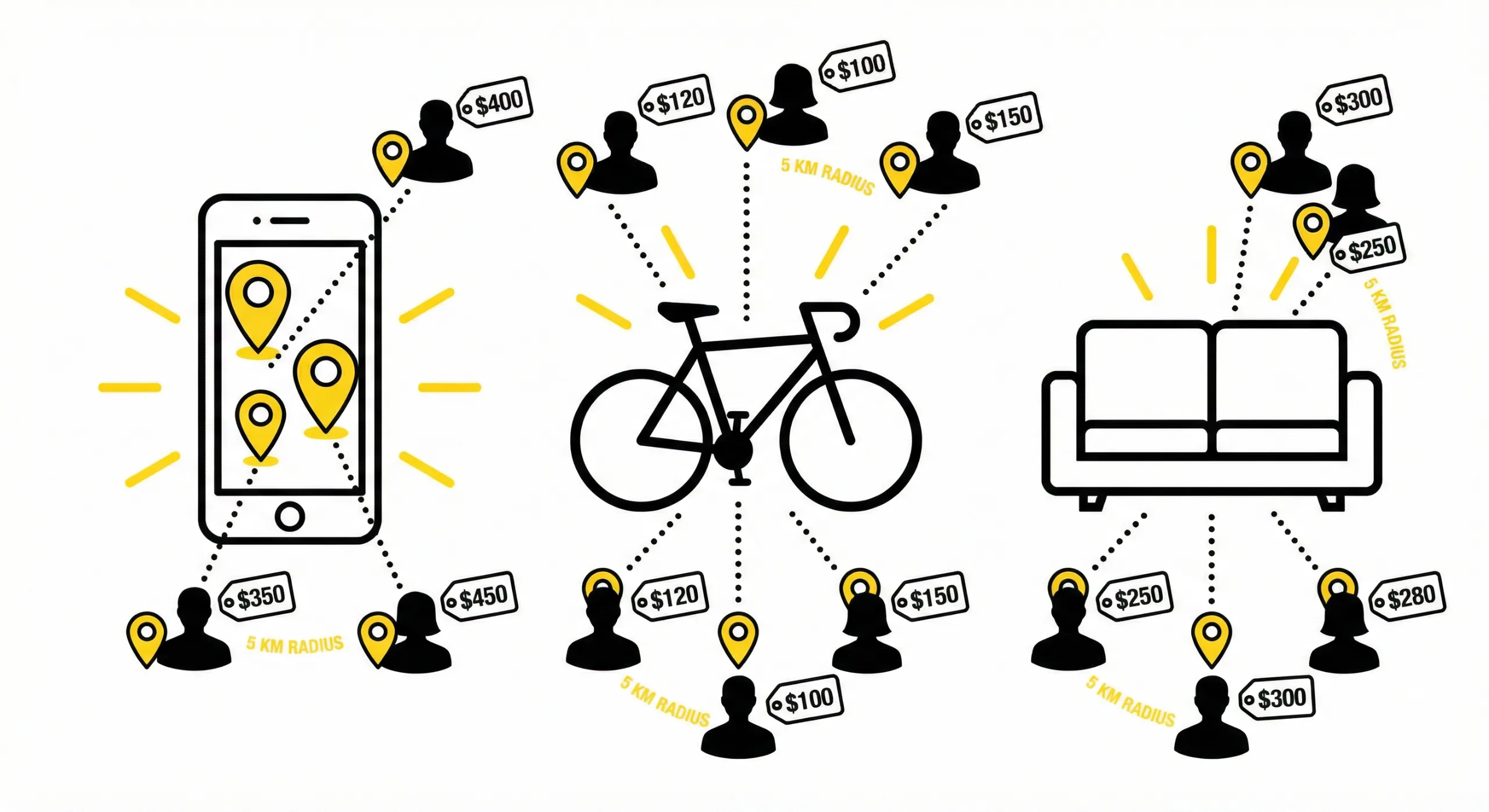
Today, the same phone listing gets flooded with messages. But most buyers don’t actually want to visit. They want you to answer twenty questions first, send videos from every angle, hold the item for a week while they “think about it,” and deliver it to their doorstep. Meanwhile, they’re messaging ten other sellers with identical phones, waiting to see who offers the lowest price or the most convenience.
Something has shifted. Buyers have more options than ever, which sounds good – but it’s also made them more demanding, less committed, and harder to convert into actual sales. Understanding these changes helps you adapt how you sell. When you buy and sell locally through simple classifieds like Sympl, you can work with these new buyer behaviours instead of fighting against them by connecting with serious nearby buyers who value transparency and local convenience over endless options.
How Buyer Expectations Have Evolved
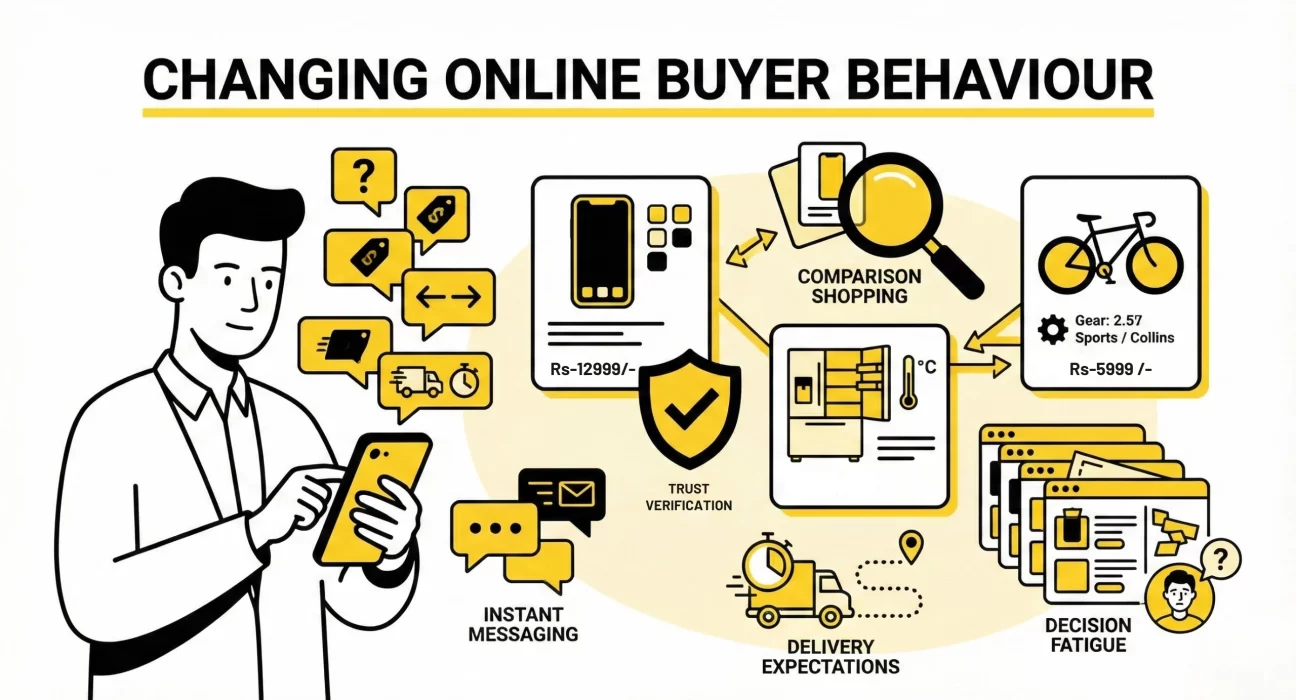
The way people buy second-hand items today is noticeably different from even a few years ago. It’s not that buyers have become difficult – they’ve just been trained by the platforms they use.
Buyers expect more information before committing
Ten years ago, a buyer might come see your fridge based on one photo and a brief description. If it looked decent in person, they’d buy it.
Now, buyers want detailed photos from every angle, videos of the item working, answers about age and condition, reasons you’re selling, and comparisons with similar listings – all before they’ll consider visiting.
This isn’t necessarily bad. Informed buyers make better decisions. But it means sellers need to provide more upfront information or spend time answering repetitive questions.
They’re comparison shopping aggressively
With dozens of similar items available at any time, buyers don’t settle for the first reasonable option.
They message multiple sellers, compare prices, negotiate with each, and wait to see who offers the best deal or makes the most concessions.
You’re no longer competing with two or three local sellers. You’re competing with everyone selling a similar item online, which changes the dynamic completely.
Convenience has become a major deciding factor
Buyers increasingly expect sellers to accommodate them – deliver to their location, hold items until they’re ready, accept digital payments, and be available at their convenience.
The sellers who make things easiest often get the sale, even if their price is slightly higher.
This puts pressure on sellers to offer more services just to stay competitive.
Trust takes longer to build
With more scams and bad experiences floating around, buyers are more cautious.
They scrutinize profiles, look for reviews or transaction history, and hesitate to commit until they’re certain the seller is legitimate.
This wariness is understandable, but it slows down transactions and creates more back-and-forth before buyers feel comfortable proceeding.
Instant gratification is expected
Despite being more cautious, buyers also want things to move fast once they’ve decided.
They expect immediate responses to messages, same-day or next-day inspection appointments, and quick transaction completion.
Sellers who don’t reply within hours risk losing buyers to someone more responsive.
When you sell items fast through local classifieds, you can meet some of these expectations naturally – quick local inspections, transparent pricing, and direct communication – without overextending yourself with services you can’t realistically provide.
What’s Driving These Changes
These shifts in buyer behaviour didn’t happen randomly. Several factors have combined to create this new landscape.
Platform overload creates decision fatigue
With so many marketplaces, classifieds, social media selling groups, and e-commerce sites, buyers are overwhelmed by options. To cope, they adopt strategies: message everyone, compare relentlessly, demand more information before committing. It’s a rational response to overwhelming choice, but it makes each individual transaction slower and more complicated.
E-commerce has raised service standards
Buyers accustomed to Amazon’s delivery, easy returns, and customer service expect similar convenience from individual sellers. They don’t always recognize the difference between a large platform with infrastructure and a person selling their used sofa. This mismatch creates unrealistic expectations that frustrate both buyers and sellers.
Information abundance breeds skepticism
Buyers have been burned before – items not as described, sellers who disappeared, payment issues. They’ve also read countless articles about “how to spot scams” and “negotiation tactics for buying second-hand.” All of this makes them more suspicious and demanding of proof before they trust.
Mobile-first behaviour shortens attention spans
Most buyers are browsing on phones, often casually. They’re not deeply engaged—they’re scrolling through dozens of listings quickly. This means your listing needs to grab attention immediately, or buyers move on in seconds. It also means buyers expect mobile-friendly communication: quick messages, easy scheduling, minimal friction.
Local community dynamics have weakened
In smaller towns or tight-knit communities, word-of-mouth and reputation used to govern second-hand transactions. People knew each other or had mutual connections.
In cities and online spaces, social accountability has diminished. Transactions feel more anonymous, which changes how people behave.
How Sellers Can Adapt to New Buyer Patterns
These changes can feel frustrating, but they’re not insurmountable. Adapting your approach helps you work with modern buyer behaviour instead of against it.
Provide comprehensive information upfront
Anticipate buyer questions and answer them in your listing. Include multiple clear photos, detailed descriptions, honest assessment of condition, reason for selling, and what’s included.
The more information you provide initially, the fewer repetitive questions you’ll field, and the more qualified your inquiries will be.
Price transparently and competitively
Buyers are comparing prices across multiple listings. If yours is significantly higher without clear justification, you’ll struggle.
Research local market rates and prices fairly from the start. If your item has features that justify a premium, state them clearly.
Transparent pricing attracts serious buyers and reduces endless negotiation.
Be responsive but set boundaries
Buyers expect quick responses, and being responsive does help close sales faster.
But you don’t need to be available 24/7. Set specific times to check and respond to messages, and stick to them.
Serious buyers will wait a few hours. Those who demand instant responses at midnight probably aren’t worth the trouble.
Welcome inspection but don’t overextend
Buyers want to verify items before purchasing – this is reasonable and actually helps both sides.
Make inspection easy by offering convenient times and clear location information. But don’t bend over backwards delivering to distant locations or holding items indefinitely.
Local buyers who can visit easily are your best prospects anyway.
Build trust through transparency
Share details about yourself if comfortable – why you’re selling, how long you’ve had the item, honest acknowledgment of any flaws.
Transparency builds trust faster than perfect-sounding descriptions that buyers suspect are hiding something.
Focus on local buyers who can act quickly
Buyers who can visit today or tomorrow are more valuable than those planning to “come sometime next month.”
Prioritize local inquiries and buyers suggesting specific times. They’re demonstrating commitment through action, not just words.
How Local Buying and Selling Addresses Modern Buyer Needs
Interestingly, many of the challenges created by changing buyer behaviour are naturally solved by focusing on local transactions.
Inspection before purchase builds trust
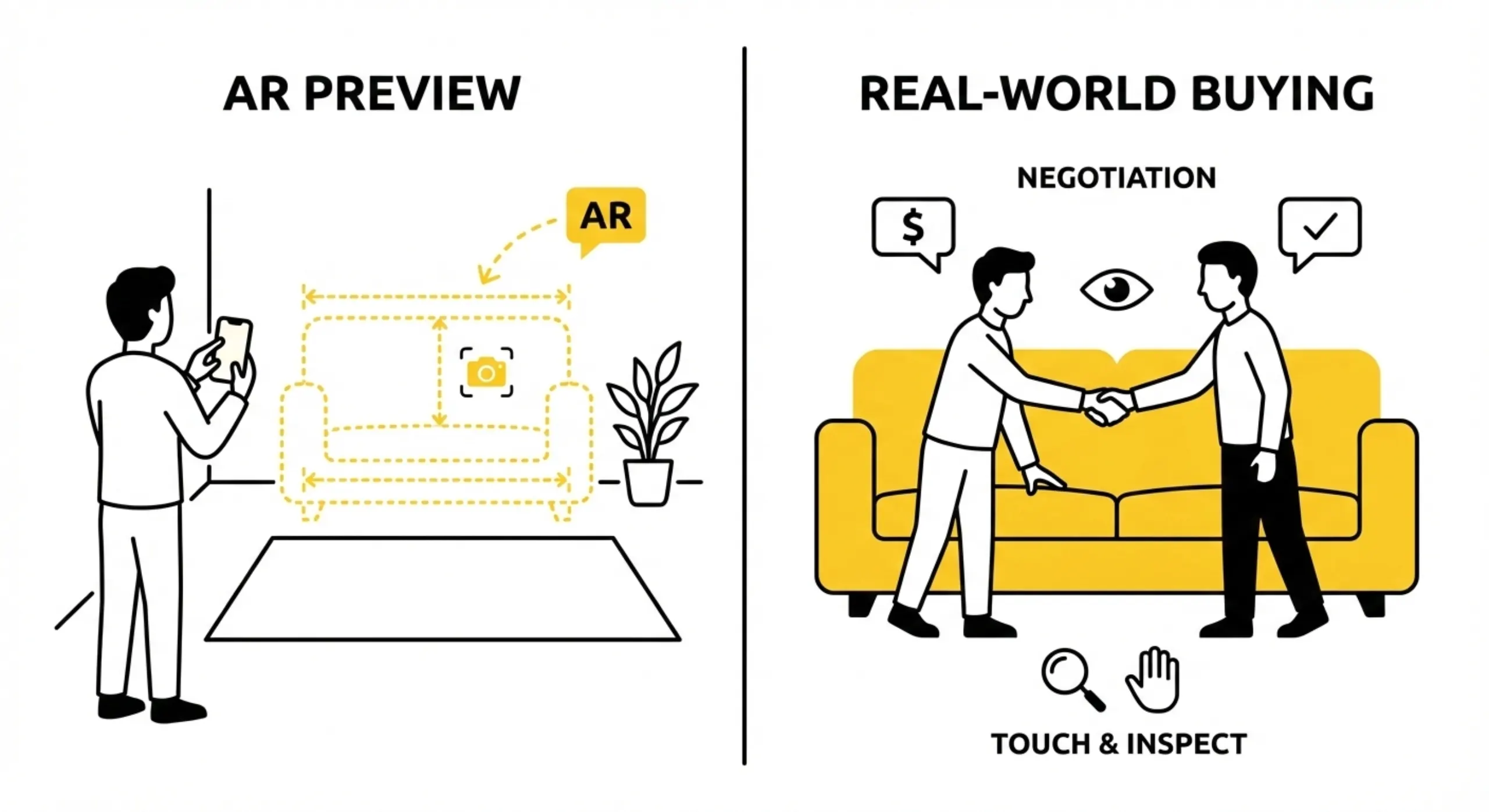
Modern buyers are skeptical and want verification. Local selling provides exactly that—the ability to inspect items in person before committing. This addresses buyer caution without you needing to jump through hoops proving legitimacy.
Local context creates natural accountability
When both parties are part of the same geographic community, there’s inherent accountability that online anonymity lacks.
Buyers are more respectful and sellers are more honest when transactions are local. This rebuilds some of the trust that’s eroded in anonymous online spaces.
Platforms like Sympl leverage this by focusing on local connections where community dynamics still matter.
Speed meets convenience
Buyers want things fast, and local transactions deliver. Someone can inspect your washing machine today and buy it today. No waiting for shipping, no coordinating across cities. The convenience buyers crave is built into local selling.
Quality over quantity in buyer pool
When you list locally, you get fewer inquiries than on national platforms – but they’re from people who can realistically buy from you. This naturally filters for serious buyers and reduces the comparison-shopping chaos that exhausts both sides.
Direct communication cuts through platform noise
Local classifieds facilitate direct seller-buyer conversation without layers of platform interference, algorithms, or promotional pressures. This directness appeals to buyers tired of navigating complex marketplaces and sellers exhausted by platform demands.
Cost and Time Benefits of Understanding Buyer Shifts
You waste less time on buyers who won’t convert
When you understand that most inquiries are part of mass comparison-shopping, you don’t invest heavily in every single message. You provide information, respond professionally, and focus energy on buyers showing real commitment.
Better listings attract better buyers
When you adapt your listings to provide the information modern buyers expect, you attract more qualified inquiries. Less time answering basic questions means more time on actual transactions.
Local focus reduces friction
Working with nearby buyers who can inspect quickly eliminates many of the complications modern buyer behaviour creates. No delivery demands, no endless holds, no coordinating across time zones.
Faster sales despite changing dynamics
Understanding buyer behaviour helps you adapt strategies that actually work – transparent pricing, comprehensive listings, local focus, quick responses. This lets you sell items fast even as buyer expectations evolve.
Who Benefits Most from Adapting to These Changes
Sellers who value their time
Understanding modern buyer behaviour helps you distinguish serious inquiries from time-wasters. You adapt your approach without wasting energy on patterns that won’t lead to sales.
First-time sellers navigating new dynamics
If you’re new to selling, understanding that buyers message multiple sellers or expect detailed information helps you not take it personally. You build strategies that work with these realities from the start.
Small businesses clearing inventory
For businesses, buyer behaviour shifts affect volume selling. Adapting means more efficient inventory turnover without getting bogged down in endless individual negotiations.
Anyone seeking straightforward transactions
If you just want to sell your bike or fridge without drama, understanding buyer behaviour helps you structure listings and interactions to attract the right buyers and complete sales efficiently.
Buyer Behaviour Isn’t Better or Worse Just Different
It’s easy to be nostalgic for “simpler times” when selling was more straightforward. But buyer behaviour has evolved for understandable reasons – more options, previous bad experiences, platform conditioning.
The key isn’t wishing things were different. It’s adapting your approach to work with how buyers actually behave now.
Provide the information they expect. Price transparently. Be responsive but maintain boundaries. Focus on local buyers who can act quickly. Build trust through honesty.
When you buy and sell locally through platforms like Sympl, many of these adaptations happen naturally. Local transactions address modern buyer needs – verification through inspection, accountability through community, convenience through proximity, trust through transparency.
Buyer behaviour will keep evolving. But the fundamentals of good local commerce – honest listings, fair pricing, respectful communication, quick transactions – remain constant.
Understanding the changes helps you navigate them successfully, selling items fast without frustration, even as the landscape continues to shift.